 Clearwater Window
 Dunedin's Exterior Walls Work Harder Than Most
Dunedin sits right up against the Gulf, which means the siding on a typical home here is doing more than just looking good — it's holding the line against salt-laden air, sideways rain during summer storms, and sun exposure that runs nearly year-round. Add in the occasional brush with hurricane-force wind, and you've got a set of conditions that most siding materials simply weren't engineered for. We install James Hardie fiber cement siding exclusively, and Dunedin is a good example of why that decision matters more here than it would somewhere inland.
This page focuses specifically on what James Hardie siding involves for a Dunedin home — what the climate demands, what correct installation looks like, and why local experience with this exact product, in this exact area, changes the outcome.
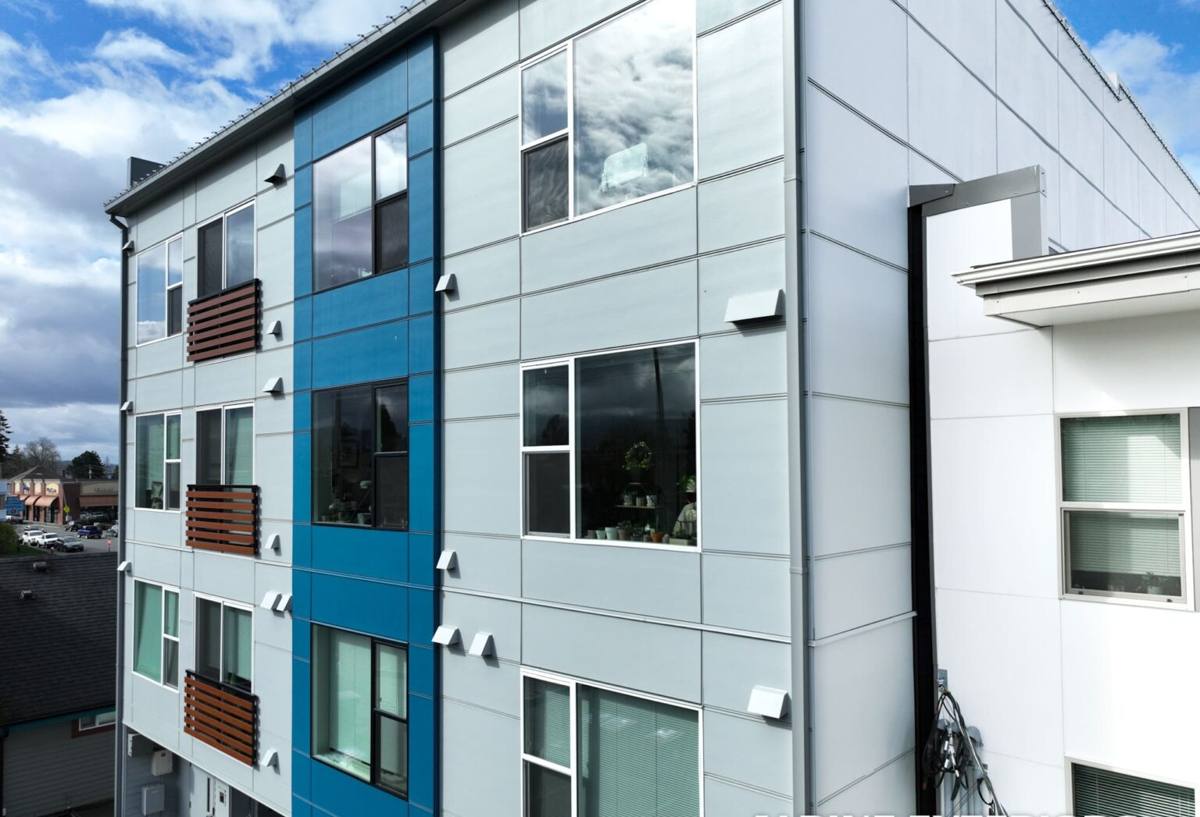
What Pinellas County Climate Actually Does to Siding
It's worth being specific about the stresses involved, because they're not the same stresses a siding product faces in most of the country:
- Wind-driven rain: Storms off the Gulf don't just fall straight down — they push moisture sideways and upward under laps and around trim, which is where poor installations fail first.
- Salt air: Being close to open water means airborne salt is a constant, low-grade exposure that accelerates corrosion on fasteners and metal components, and degrades weak paint systems over time.
- UV load: Florida sun is intense for most of the year, and it's the primary reason cheap paint jobs chalk, fade, and crack years before they should.
- Wind events: Dunedin doesn't get hit every year, but when tropical systems or hurricanes do come through, siding that isn't fastened and flashed correctly is often the first thing to peel off a wall.
None of these are exotic problems — they're the normal operating environment for a home in this part of Pinellas County. Siding here needs to be engineered for it, not just tolerant of it.
Why We Only Install James Hardie
James Hardie makes a fiber cement product line, HZ5, specifically engineered for high-humidity, storm-prone climates like Florida's. It's non-combustible, resists moisture-driven swelling and rot far better than wood-based or wood-alternative products, and it's not going to attract termites, which is a real consideration in this region. The factory-applied ColorPlus finish is baked on under controlled conditions rather than brushed on at the jobsite, which gives it meaningfully better UV and fade resistance than field-applied paint — a real advantage given how much sun a Dunedin-facing wall takes on.
We don't install vinyl, LP SmartSide, Cemplank, Allura, or primed wood siding, and we're upfront about why: those products each carry trade-offs — moisture sensitivity, softer warranty terms, appearance limitations, or a maintenance burden — that we don't think hold up well against Gulf Coast conditions over the long run. James Hardie isn't the cheapest option on the market, but it's the one we're willing to put our name behind here.
How the Product Lines Compare on the Factors That Matter Locally
| Factor | James Hardie (HZ5) | Vinyl | Wood / Primed Spruce |
|---|---|---|---|
| Moisture & rot resistance | Engineered for humid climates, doesn't rot | Doesn't rot, but can warp in heat | Vulnerable without diligent maintenance |
| Wind performance | Rated for high-wind installation when installed to spec | Prone to cracking, blow-off in high wind | Depends heavily on fastening quality |
| UV/fade resistance | Factory ColorPlus finish, long fade warranty | Fades and can become brittle over time | Field paint fades faster, needs repainting |
| Fire resistance | Non-combustible | Combustible, can melt | Combustible |
| Maintenance | Occasional wash, repaint on a long cycle if ever | Low, but limited repair options | Regular repainting and inspection required |
Signs a Dunedin Home's Siding Needs Attention
Because of the coastal exposure, siding problems here tend to show up in specific ways. Worth flagging any of the following if you're seeing them:
- Soft or spongy spots when you press on the siding, especially near the bottom courses or around windows
- Visible gaps, buckling, or lifted panels after a storm
- Chalky residue or noticeable fading, particularly on south- and west-facing walls
- Rust streaking near fasteners or trim
- Peeling or bubbling paint that keeps coming back after being repainted
- Higher cooling bills than neighbors with similar-sized homes, which can point to compromised siding and underlying insulation
Any one of these on its own isn't necessarily an emergency, but they're all worth a professional look before they turn into a bigger repair.
What a Correct Installation Actually Involves
James Hardie siding performs the way it's rated to perform only when it's installed to the manufacturer's specifications — and in a wind- and moisture-exposed area like Dunedin, the details matter more than they would somewhere drier and calmer. A correct job includes:
Proper Water Management Behind the Siding
A weather-resistant barrier and correctly lapped, taped, and flashed openings are what actually keep wind-driven rain out of the wall assembly. The siding itself is the visible layer, but the water management system behind it is what prevents rot and mold from developing where you can't see it.
Fastening to Spec
James Hardie specifies fastener type, spacing, and placement for a reason — get this wrong and you lose wind resistance even though the product on the wall looks identical to a correct install. This is one of the most common places corner-cutting installers skip steps, because it doesn't show until a storm tests it.
Correct Clearances and Gaps
Fiber cement needs the right clearance from rooflines, decks, and grade, and the right expansion gaps at joints and trim. Installed too tight, it can trap moisture or buckle; installed with the wrong gaps, it can let water behind the plane.
Caulking and Sealant Only Where Specified
Over-caulking is a common shortcut that actually traps moisture rather than keeping it out. Hardie's installation instructions are specific about where sealant belongs and where it doesn't, and following that spec is part of doing the job right.
Our Process for a Dunedin Project
- On-site assessment: We look at your home's current siding condition, exposure (how much direct Gulf-facing wind and sun it gets), and any moisture or structural issues before recommending anything.
- Product and color selection: We walk through HZ5 panel and lap siding options and ColorPlus color choices suited to the home and neighborhood.
- Removal and inspection: Old siding comes off, and we inspect the sheathing underneath for any moisture damage that needs to be addressed before new siding goes on — this step gets skipped by installers in a hurry, and it's where problems hide.
- Weather barrier and flashing: Installed correctly around every window, door, and penetration before a single piece of siding goes up.
- Installation to Hardie spec: Fastening, clearances, and joints done to manufacturer requirements, not just "close enough."
- Final walkthrough: We go over the finished job with you before calling it done.
Color and Style Options
James Hardie's ColorPlus finish comes in a range of factory-baked colors designed to resist fading under exactly the kind of sun exposure Dunedin homes get. Panel profiles include traditional lap siding, board-and-batten, and shingle-style options, so matching an existing neighborhood look or changing it entirely are both on the table. Because the finish is applied and cured at the factory rather than on-site, color consistency and touch-up matching are more reliable than with field-painted siding.
Cost Factors to Understand Before You Budget
| Factor | Why It Moves the Price |
|---|---|
| Home size and wall complexity | More corners, gables, and trim detail mean more labor and cut waste |
| Current siding removal | Tear-off and disposal of existing material adds cost versus new construction |
| Sheathing repair | Any rot or moisture damage found underneath needs to be fixed before new siding goes on |
| Panel profile and texture | Lap, shingle, and board-and-batten styles differ in material and install time |
| Trim and accessory work | Corner boards, window trim, and soffit work are often bundled with a siding project |
We won't quote a number without seeing the home — anyone who does is guessing. What we can say is that the honest range depends heavily on the factors above, and a proper estimate accounts for all of them, not just square footage.
Why a Crew That Already Works Dunedin Matters
Installing James Hardie correctly on a home a few miles inland and installing it correctly on a home with regular salt air and storm exposure aren't quite the same job. A crew that already works this part of Pinellas County knows what tends to go wrong here — which fastener corrosion issues show up near the water, how much clearance actually holds up under wind-driven rain, and what flashing details matter most given how storms tend to move through this area. That's not something you get from a crew that installs siding everywhere and treats every job the same way.
What to Look For in a Contractor
- Manufacturer-recognized installation training on James Hardie products specifically
- Willingness to explain their water management and fastening approach in plain language
- A written scope that specifies panel profile, color, and trim details before work starts
- Proper licensing and insurance for exterior work in Florida
- A process that includes sheathing inspection, not just siding replacement
- References or a track record specific to coastal Pinellas County conditions
If your Dunedin home's siding is showing wear, or you're planning ahead of the next storm season, we're happy to take a look and walk you through what James Hardie would involve for your specific house. There's a free, no-pressure estimate form below — no obligation, just an honest assessment.