 Clearwater Window
 Window Replacement Built for Dunedin's Coastal Conditions
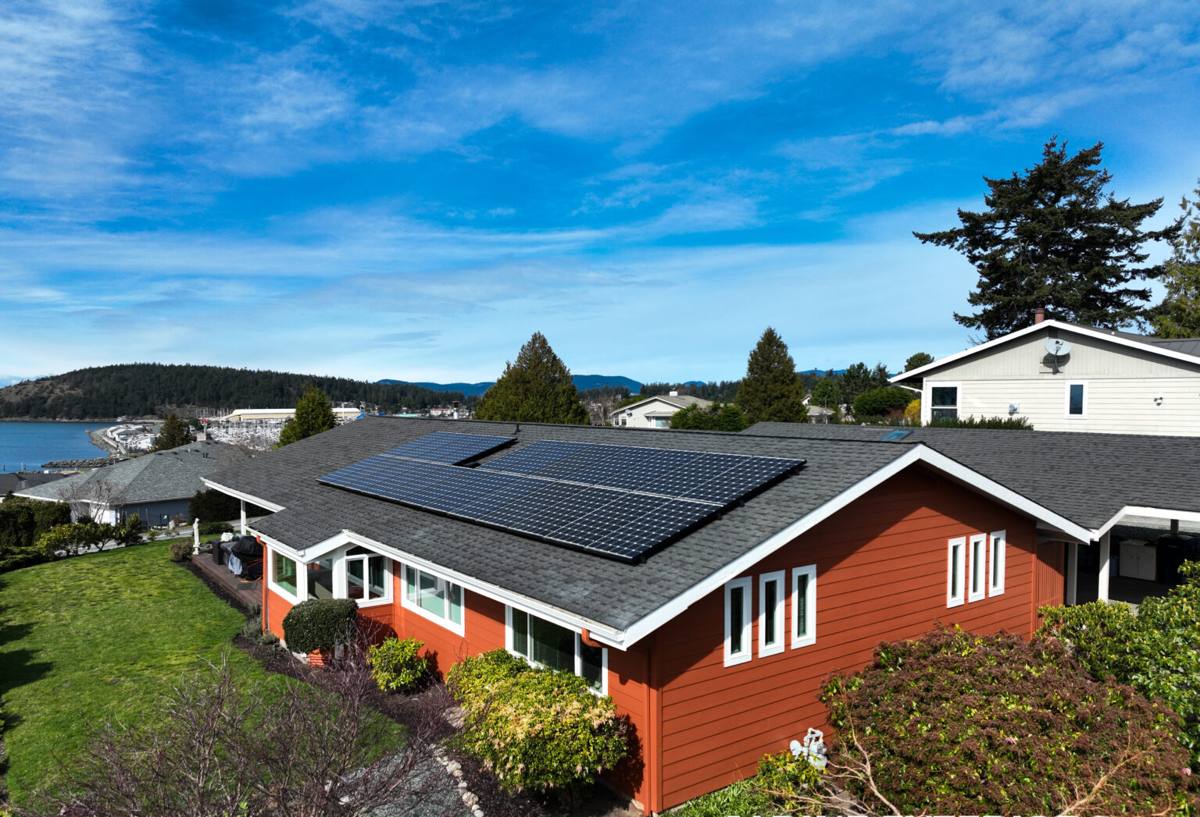
Dunedin sits on the Gulf side of Pinellas County, and that location shapes what a window replacement needs to accomplish here. Homes in this area face a combination that inland Florida doesn't deal with in the same way: salt-laden air moving in off the water, intense year-round UV exposure, wind-driven rain during summer storms, and the real possibility of hurricane-force winds during the season. A window that's rated correctly for a subdivision forty miles inland isn't automatically the right choice for a house a few miles from the Gulf. Getting this right in Dunedin means matching the window, the installation method, and the materials to the specific stresses this stretch of Clearwater-area coastline puts on a home.
This page covers what Dunedin homeowners should know before replacing windows: what the local climate actually does to windows over time, what a correct installation involves, how to think about product choice, and why hiring a crew that regularly works this part of Pinellas County matters more than it might seem.
What Pinellas County's Climate Does to Windows Over Time
Salt Air and Corrosion
Even homes that aren't waterfront in Dunedin sit close enough to the Gulf and to Tampa Bay that airborne salt reaches window hardware, screen frames, and metal fasteners. Over years, this accelerates corrosion on cheaper hinges, latches, and balance systems. It's a slow process, so it's easy to miss until a window that used to open smoothly starts sticking or a lock stops seating properly.
UV Exposure
Florida's sun is harder on building materials than most homeowners realize. UV breaks down vinyl frames, dries out and cracks old glazing compounds, and fades interior finishes near windows that get direct afternoon light. Windows that looked fine when installed can develop brittle seals and warped frames after a decade or two of this exposure, well before the glass itself fails.
Wind-Driven Rain and Wind Load
Pinellas County storms don't just bring rain straight down — wind pushes it sideways and forces it against and around window openings. A window that's watertight in a light rain can still leak during a wind-driven event if the flashing and sealing weren't done correctly the first time. Add in the wind pressure itself, which puts real structural load on frames and anchoring, and it's clear why installation quality matters as much as the window unit itself.
Signs a Dunedin Home Needs Window Replacement
Some warning signs are obvious, others build up slowly enough that homeowners adjust to them without noticing. Watch for:
- Fogging or a permanent haze between double-pane glass (seal failure)
- Windows that are difficult to open, close, or lock, especially after humid weather
- Visible daylight or a draft felt around the frame when the AC is running
- Soft or discolored wood, or bubbling paint, on the interior wall around the frame
- A noticeable rise in cooling costs without another clear explanation
- Outside noise (traffic, storms, neighbors) that seems louder than it used to
- Visible frame cracking, chalking, or warping from UV exposure
- Condensation forming on the inside of the glass regularly
Any one of these on its own might not mean full replacement is needed right away, but two or three together — especially on an older Dunedin home — usually means the windows are past the point where repair makes sense.
What a Correct Window Replacement Job Actually Involves
Window replacement is often sold as a simple swap, but the parts that actually determine whether a window performs for the next 15-20 years happen around the window, not inside it.
Removal Without Damage
The old window and its surrounding trim need to come out cleanly, with attention to what the removal reveals — rot, prior water intrusion, or framing issues that were hidden behind the old unit. This is the point where problems get caught or get sealed back in for another decade.
Flashing and Waterproofing
This is the step most likely to get rushed on a low-cost job, and it's the one most responsible for leaks down the road. Proper flashing integrates with the home's existing water管理 path — sill pans, flashing tape, and sealant applied in the right order and layered correctly so water is directed out, not trapped in the wall.
Anchoring and Fastening
For a coastal Pinellas County property, the window has to be secured to the framing in a way that meets the wind load it's rated for. Fastener type, spacing, and embedment into structural framing all matter here — this isn't an area where shortcuts are invisible; they show up as failures during the next serious wind event.
Sealing and Insulation
Gaps around the frame get filled with appropriate low-expansion foam or backer rod and sealant, not just caulked over on the surface. This affects both energy performance and long-term air/water infiltration.
Finish Work
Interior and exterior trim, caulking lines, and paint touch-up should look like they belong to the house, not like an add-on.
Choosing the Right Window for a Dunedin Property
Frame material and glass package both affect how a window holds up in this climate. There's no single correct answer for every home — it depends on the home's exposure, budget, and how the homeowner weighs upfront cost against long-term maintenance.
| Frame Material | Salt Air / UV Resistance | Maintenance | Typical Cost Position |
|---|---|---|---|
| Vinyl | Good with quality UV-stabilized formulations | Low — no painting, doesn't corrode | Lower to mid-range |
| Aluminum | Strong structurally, but prone to corrosion near salt air over time unless properly coated | Moderate — coatings need to be maintained | Mid-range |
| Fiberglass/Composite | Excellent — very stable in heat, UV, and coastal air | Low | Higher upfront |
Impact-Rated vs. Standard Windows
Impact-rated windows use laminated glass designed to stay intact under windborne debris impact, which also means they don't require separate storm shutters. Standard windows cost less upfront but need a shutter system or approved protection to meet Florida's wind-borne debris requirements in applicable zones. For a lot of Dunedin homeowners, the decision comes down to whether they want the protection built into the window permanently or handled with removable/storable shutters each storm season — both are legitimate approaches, and we'll walk through the honest trade-offs for your specific property rather than push one option.
Our Process, Start to Finish
- On-site assessment — we look at existing windows, framing condition, and the home's specific exposure before recommending anything.
- Honest options — we present frame and glass choices that fit the budget and the home, explaining real trade-offs rather than upselling.
- Permitting — we handle the permit process required under Pinellas County and Florida Building Code for the work being done.
- Careful installation — removal, flashing, anchoring, sealing, and finish work done in the correct order, not shortcuts stacked to save a day.
- Final walkthrough — every window operated, checked, and reviewed with the homeowner before we consider the job complete.
Permits and Code Requirements in Pinellas County
Window replacement in Dunedin and the surrounding Clearwater area is governed by the Florida Building Code, which sets requirements for wind resistance and, in applicable coastal zones, wind-borne debris protection. Pulling the correct permit isn't paperwork for its own sake — it triggers inspection of the installation itself, which is the best protection a homeowner has against bad flashing or improper anchoring being hidden behind trim. Any contractor recommending you skip permitting to save time or money is asking you to trust an installation nobody will ever verify.
Why Hiring a Crew That Already Works in Dunedin Matters
A contractor who regularly works this part of Pinellas County already understands the local permitting process, has a feel for which older homes in the area tend to have hidden framing issues behind original windows, and knows what wind and moisture exposure actually looks like on Gulf-side properties versus more inland parts of Clearwater. That familiarity shows up in fewer surprises during the job and fewer callbacks after it — not because out-of-area contractors are incapable, but because local repetition builds judgment that's hard to substitute for.
Cost Factors to Expect
Every home is different, but the main variables that move the price of a window replacement project are consistent:
| Factor | Why It Matters |
|---|---|
| Frame material chosen | Vinyl, aluminum, and fiberglass carry different material and installation costs |
| Impact-rated vs. standard glass | Impact glass costs more upfront but removes the need for separate shutter systems |
| Number and size of openings | Larger and specialty-shaped windows require more labor and custom sizing |
| Condition of existing framing | Rot or prior water damage found during removal adds repair work |
| Access and window height | Second-story or hard-to-reach openings require more setup time |
We give straightforward, itemized estimates so you can see exactly where the cost is coming from — no vague lump-sum numbers that hide what you're actually paying for.
Ready to Talk About Your Windows?
If your Dunedin home has windows that are aging, drafty, hard to operate, or you're just planning ahead of the next storm season, we're happy to take a look and give you a straight answer about what your home actually needs. Reach out for a free, no-pressure estimate — the form below only takes a minute.