 Clearwater Window
 Building New in Dunedin: Windows Are Structural, Not an Afterthought
When you're building a new home in Dunedin, windows tend to get treated as a finishing decision — something picked from a catalog after the walls are already framed. That's backwards. On a new-construction project, the window opening, the flashing plan, and the fastening schedule are part of the structural envelope. Get that wrong and you're not just risking a leak — you're risking a failed inspection, a voided warranty, or worse, a window that pulls away from the frame in a bad storm. Get it right from the rough opening forward, and the windows become one of the strongest parts of the house instead of the weakest.
This page is specifically about new-construction window installs for homes being built in Dunedin and the surrounding Pinellas County area — not window replacements in an existing home. The two jobs use different frame types, different flashing sequences, and different failure points, which is exactly why they need to be talked about separately.
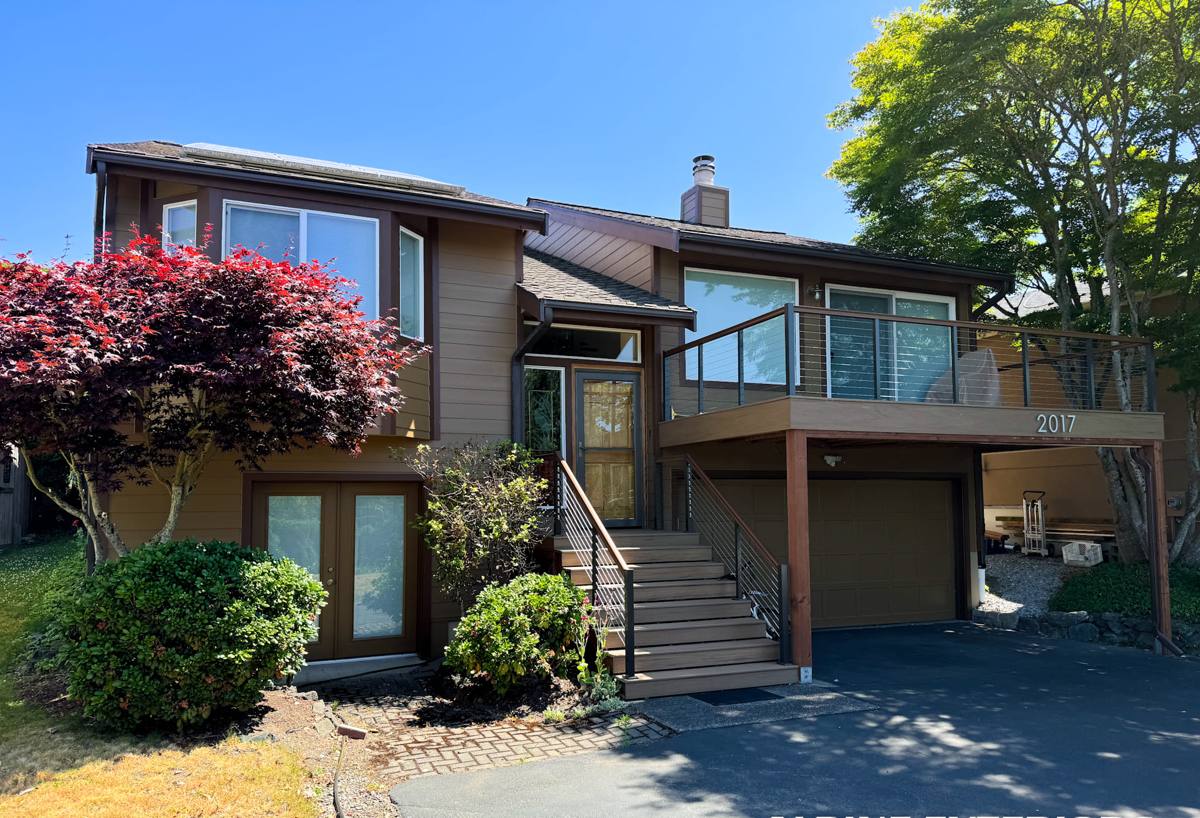
What Pinellas County's Climate Demands From New-Construction Windows
Dunedin sits close enough to the Gulf that every new build has to answer to the same handful of environmental stresses. None of this is exotic — it's just the reality of building on this stretch of the Florida coast, and it should shape every window decision on the plans.
Wind Load and Windborne Debris
Pinellas County falls within Florida's wind-borne debris region under the Florida Building Code, which means new windows generally need to carry a documented product approval (an NOA or a Florida Product Approval number) showing they meet the design pressure and impact requirements for the site's wind zone. That rating has to match the home's actual exposure — corner units, taller walls, and homes near open water typically need a higher design pressure than an interior lot a few blocks inland.
Year-Round UV Exposure
Florida sun is intense and constant, not seasonal. Frames, seals, and glass coatings all degrade faster here than they would in a milder climate, so the glass package and frame material matter as much as the impact rating. A window that isn't built for sustained UV exposure will show it in a few years — yellowing vinyl, brittle weatherstripping, or a spike in cooling costs from a glass package that wasn't right for the orientation.
Salt Air and Coastal Corrosion
Even a few miles inland from the Gulf, salt-laden air accelerates corrosion on hardware, fasteners, and lesser-grade aluminum components. New-construction windows in this area need corrosion-resistant hardware and fasteners specified up front — not swapped in later after something rusts.
Wind-Driven Rain
Florida storms rarely deliver rain straight down. Wind-driven rain gets forced sideways and upward into gaps that a well-flashed opening is designed to shed and a poorly-flashed one is not. On new construction, this is almost entirely about the flashing and sealant detail around the rough opening — the window unit itself is only half the equation.
New-Construction Frames vs. Retrofit Frames: Why the Distinction Matters Here
A lot of homeowners assume "hurricane windows" is one category. In practice, the frame style has to match the construction method, and mixing them up creates real problems — leaks, failed inspections, or windows that don't perform to their rating because they weren't installed the way they were engineered to be installed.
| Factor | New-Construction (Nail-Fin) Frame | Retrofit / Block Frame |
|---|---|---|
| Best used for | Framed openings during initial construction, before exterior finish is applied | Replacing windows in an existing masonry or block opening |
| Attachment method | Fin nailed directly to sheathing, then integrated into the weather-resistive barrier and flashing | Frame anchored directly into existing concrete block or an existing frame |
| Flashing sequence | Built in as part of the wall's water management plan, done in the correct order with house wrap | Sealant and fin-less design work around the existing finished opening |
| Typical failure point if done wrong | Improper flashing lap order lets water behind the exterior finish | Gaps between the new frame and old opening, relying too heavily on sealant alone |
On a new build, the nail-fin, new-construction frame is almost always correct because it lets the window become part of the wall's drainage plane instead of getting sealed on top of a finished surface after the fact. Choosing the wrong frame style for a new-construction opening is one of the more common corners cut by crews that mostly do replacement work and don't do many ground-up builds.
Choosing the Right Product: Frame Material and Glass Package
Once the frame style is settled, the next decision is what the window itself is made of and what glass it carries. There's no single "best" answer for every part of a house — it depends on orientation, budget, and how much upkeep you want to do down the road.
| Frame Material | Strengths | Trade-offs in This Climate |
|---|---|---|
| Vinyl | No painting, doesn't corrode, generally the most budget-friendly, good thermal performance | Darker colors can absorb more heat and expand/contract more over time; frame quality varies widely by manufacturer |
| Aluminum | Strong, slim sightlines, holds up well structurally under wind load | Conducts heat, so it needs a thermal break to perform well in Florida's heat; lower-grade aluminum is more prone to salt-air corrosion |
| Fiberglass | Very stable dimensionally, resists UV and moisture well, low long-term maintenance | Higher upfront cost than vinyl for a comparable size and rating |
Glass package matters as much as frame material. In a market like Dunedin, we generally recommend laminated glass with a low-E coating over plain tempered glass wherever impact resistance and heat rejection both matter — which, on most elevations of most homes here, is everywhere. The specific coating and tint should shift by orientation: west- and south-facing openings take the brunt of the afternoon sun and benefit from a stronger solar heat gain reduction than a shaded north-facing window might need.
What a Correct New-Construction Install Actually Involves
The window unit is a manufactured product with a rating attached to it in a lab. That rating only holds up in the real world if the installation matches the tested assembly. Here's what that means on site:
- Rough openings checked for square, level, and plumb before the window ever goes in — an out-of-square opening stresses the frame and can void the manufacturer's performance rating
- Flashing installed in the correct shingle-lap order (sill pan first, then side flashing, then head flashing) so water is always directed outward and down
- Weather-resistive barrier integrated with the window flashing, not just taped over it afterward
- Fasteners matched to the manufacturer's tested fastening schedule — spacing and fastener type are part of what the impact rating was tested with, not a detail installers can freelance
- Sealant used to back up the flashing, not to replace it — sealant is a second line of defense, not the primary water barrier
- Shims placed to manufacturer spec so the frame isn't racked or bowed once fastened
- Final inspection of reveal, operation, and drainage weep paths before the exterior finish closes in around the opening
Skipping or reordering any of these steps is how a correctly-rated, correctly-manufactured window still ends up leaking or underperforming in its first storm season.
Coordinating With Your Builder and the Permit Process
New-construction window work almost always happens inside someone else's timeline — a general contractor's framing and dry-in schedule. That means the window trade needs to show up at the right point in the sequence, have product approval documentation ready for inspection, and communicate clearly with the GC about any changes to rough opening sizes or specs. In Pinellas County, permitted new construction requires product approval documentation for the windows being installed, and inspectors will check that the installed unit matches what was submitted. A contractor who's used to coordinating on new builds treats this as routine paperwork; a crew that mostly does replacement work may not have the workflow built for it, which is where delays creep in.
How We Handle New-Construction Window Projects in Dunedin
Our process on a new build starts before any window arrives on site. We review the plans and elevations to confirm design pressure requirements match each opening's exposure, not just a blanket rating across the whole house. We coordinate directly with your builder or GC on timing so windows go in at the right point in the framing and dry-in sequence — not too early, not so late that it holds up other trades. On site, installation follows the flashing and fastening sequence above, every opening, every time, and we document what went in so that paperwork is ready when the inspector shows up. Once the windows are set, we walk the openings with you or your builder before the exterior finish closes around them, because that's the last point where anything can be adjusted without tearing into finished work.
Why a Crew That Already Works in Dunedin Matters
A lot of what makes a new-construction window install go smoothly isn't the product — it's familiarity with how things are actually done locally. That means knowing what Pinellas County inspectors expect to see on a product approval submittal, understanding how exposure changes block to block depending on how close a lot sits to open water or how tall the surrounding structures are, and having a working relationship with local builders so scheduling doesn't become a bottleneck. A crew that's done this repeatedly in Dunedin and the greater Clearwater area isn't guessing at wind zone requirements or relearning the permitting process on your project — they've already built the habits that keep a new-construction window install from becoming a change order.
If you're building new in Dunedin and want windows specified and installed correctly the first time, we're happy to walk through your plans and put together a straightforward, no-pressure estimate — just fill out the form below.