 Clearwater Window
 Why Decks Wear Out Faster in Dunedin
Dunedin sits close enough to the Gulf that salt-laden air reaches every outdoor structure in town, deck framing included. Add Pinellas County's near-constant UV exposure, long stretches of wind-driven summer rain, and the occasional hurricane-force wind event, and you have a climate that is genuinely hard on wood and metal fasteners. A deck built to a generic national spec, without Florida-specific material choices and fastening details, tends to show its age here years before it would in a drier, cooler climate.
Most of what we see on aging Dunedin decks isn't dramatic failure — it's slow, cumulative damage: fasteners corroding from the inside out, ledger boards trapping moisture against the house, boards cupping and splitting from repeated wet-dry cycles, and railings that have quietly lost their structural bite. By the time it's visible on the surface, the underlying structure is often further gone than homeowners expect.
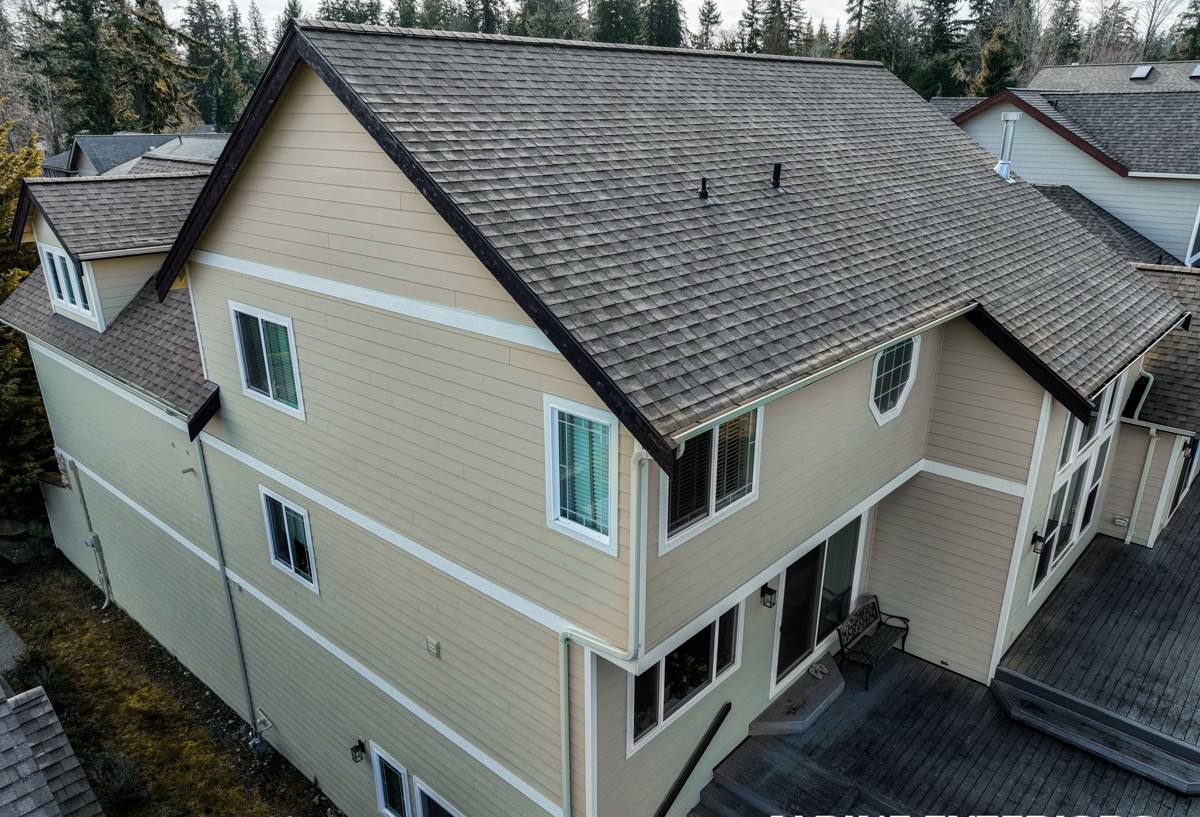
Signs Your Deck Needs Replacement, Not Repair
Repair makes sense when the problem is isolated — a few damaged boards, a loose railing section, surface graying. Replacement is the honest recommendation when the issues are structural or systemic. Here's how we tell the difference on a Dunedin inspection.
- Soft, spongy, or springy spots when you walk the deck — usually rotted joists or a failing ledger connection underneath
- Rust streaking around fastener heads, or fasteners that back out or spin freely
- Visible gaps or separation where the ledger board meets the house
- Posts that wobble at the base, or footings that have shifted or heaved
- Widespread board cupping, splintering, or delamination across most of the deck surface, not just a few boards
- A deck older than 15-20 years that has never had the substructure opened up and inspected
If two or more of these apply, patching individual boards is usually a short-term fix on a structure that's already past its useful life. We'll always tell you plainly which category your deck falls into before we recommend a full rebuild.
What a Correct Deck Replacement Actually Involves
It Starts Below the Surface
The decking boards themselves are the least important part of getting a deck right in this climate. What determines whether a new deck lasts is what's underneath: footing depth and size, post spacing, joist material and spacing, and — critically — how the deck ties into the house.
The Ledger Connection
The ledger board (where the deck attaches to the house) is the single most common source of hidden failure on Florida decks, because it's a joint that's constantly exposed to wind-driven rain but rarely inspected. A correct installation uses proper flashing to keep water from getting trapped between the ledger and the house wall, along with structural fasteners rated for the load — not just deck screws. Skipping or shortcutting this detail is how decks that look fine on top end up with rot working outward from the house.
Fasteners and Hardware
Given the salt air here, we use corrosion-resistant, coated fasteners and structural connectors rated for coastal exposure, not standard interior-grade hardware. This is one of those details that costs a little more up front and saves a full rebuild down the line.
Decking Material Options for Dunedin Conditions
There's no single "best" decking material — the right choice depends on your budget, how much upkeep you want to do, and how the deck will be used. Here's an honest comparison based on how each material actually performs under Gulf Coast sun, humidity, and salt exposure.
| Material | Upfront Cost | Maintenance | How It Handles Local Climate |
|---|---|---|---|
| Pressure-treated wood | Lowest | Regular sealing/staining needed | Prone to cupping and splitting from UV and moisture cycling if not maintained on schedule |
| Composite decking | Mid-to-high | Occasional cleaning, no sealing | Resists rot and splintering well; quality varies significantly by product line |
| Capped composite/PVC | Highest | Low — cleaning only | Best resistance to fading, moisture absorption, and salt air of the common options |
| Tropical hardwoods | High | Periodic oiling for color retention | Naturally dense and durable, but requires upkeep to prevent graying and checking |
We walk every Dunedin homeowner through this trade-off honestly rather than steering toward whatever has the best margin. If you want the lowest-maintenance option and the budget allows it, capped composite is generally the strongest long-term performer in this climate. If upfront cost matters more and you're willing to stay on top of sealing, treated wood remains a reasonable choice — as long as the substructure underneath it is built correctly.
Our Deck Replacement Process
- On-site inspection: We assess the existing deck, framing, ledger connection, and footings to determine the real scope — not just what's visible from the top.
- Written proposal: A clear scope of work, material options, and pricing before any demolition starts.
- Permitting: We handle the permit and inspection process required by the local jurisdiction so the work is documented and code-compliant.
- Demolition and disposal: Full removal of the old deck, including footings that don't meet current code if applicable.
- Framing and structural work: New footings, posts, joists, and a properly flashed ledger connection sized for your deck's actual loads.
- Decking, railing, and finish work: Installed to the manufacturer's specifications, with attention to fastener pattern and spacing for long-term performance.
- Final walkthrough: We go over the finished deck with you before calling the job complete.
Permits and Code Considerations in Pinellas County
Deck replacement in Dunedin is a permitted job, not a weekend project. Local building codes address footing depth, structural connections, guardrail height, and baluster spacing, and Florida's building code has specific wind-load provisions given our exposure to hurricane-force winds. A deck that isn't permitted and inspected can create real problems later — at resale, with insurance, or if it's built to a standard that doesn't hold up structurally. We pull the required permits and coordinate inspections as part of the job, not as an optional add-on.
Cost Factors to Understand Before You Budget
Deck replacement pricing varies widely based on size, material, and site conditions. Rather than quote a number that doesn't apply to your situation, here are the factors that actually move the price.
| Factor | Why It Matters |
|---|---|
| Deck size and footprint | Square footage is the baseline driver of material and labor cost |
| Decking material chosen | Treated wood, composite, and capped PVC span a wide cost range |
| Height and stairs | Elevated decks and multi-level stairs add framing, railing, and code complexity |
| Condition of existing footings | Reusable footings save cost; footings that don't meet current code add scope |
| Site access | Tight side yards or obstructed access can add labor time |
| Railing and finish details | Custom railing systems and lighting add to the base cost |
Because these variables swing the final number so much, we give firm pricing after an in-person assessment rather than a phone estimate. It's the only honest way to quote a deck replacement.
Why a Local Dunedin Crew Matters
A crew that regularly works Dunedin and the broader Clearwater area already knows what tends to fail first in this specific environment — salt exposure near the water, wind exposure on more open lots, and the moisture patterns that come with our rainy season. That local pattern recognition shortens the inspection process and reduces the chance of missing a problem area during the initial assessment.
It also matters for permitting and inspections. A contractor who regularly pulls permits with the local jurisdiction knows the documentation and inspection sequence, which keeps the project moving instead of stalling on paperwork. And because we're not traveling in from out of the area, warranty callbacks and follow-up questions get a fast, local response rather than a scheduling headache.
Questions to Ask Before Hiring a Deck Replacement Contractor
- Are you licensed and insured to do structural work in Pinellas County?
- Will you pull the permit, or is that left to me?
- What fastener and hardware grade do you use, and is it rated for coastal/salt exposure?
- How is the ledger board flashed where it meets the house?
- What's the warranty on labor, separate from the manufacturer's material warranty?
- Can I see the framing before the decking boards go down, or get photos of it?
A contractor who answers these clearly and without hesitation is generally one worth hiring. Vague answers on flashing, fasteners, or permitting are a signal to keep looking.
If your deck is showing its age or you're just not sure whether it needs repair or full replacement, we're happy to take a look and give you a straight assessment. Request a free, no-pressure estimate using the form below.