 Clearwater Window
 Roofing in Dunedin Means Building for Wind, Sun, and Salt — Not Just Rain
Dunedin sits close enough to the Gulf that homeowners here deal with a different set of roofing stresses than someone thirty miles inland. Hurricane-force gusts test every nail and fastener pattern. Florida's year-round UV load bakes shingles and breaks down sealants faster than in most of the country. Wind-driven rain doesn't just fall on a roof — it gets pushed sideways and upward under edges and flashing that weren't detailed correctly. And the salt air that comes with living near the coast in Pinellas County accelerates corrosion on anything metal, from nail heads to flashing to roof vents. A new roof installation here isn't a generic project. It's a system that has to be specified, installed, and detailed with all four of those forces in mind at once.
This page covers what a correct new roof installation looks like specifically for a Dunedin home, what our process involves, and why hiring a crew that already works in this area — rather than a traveling storm crew or an out-of-town installer — makes a real difference in how the roof performs five, ten, and twenty years down the line.
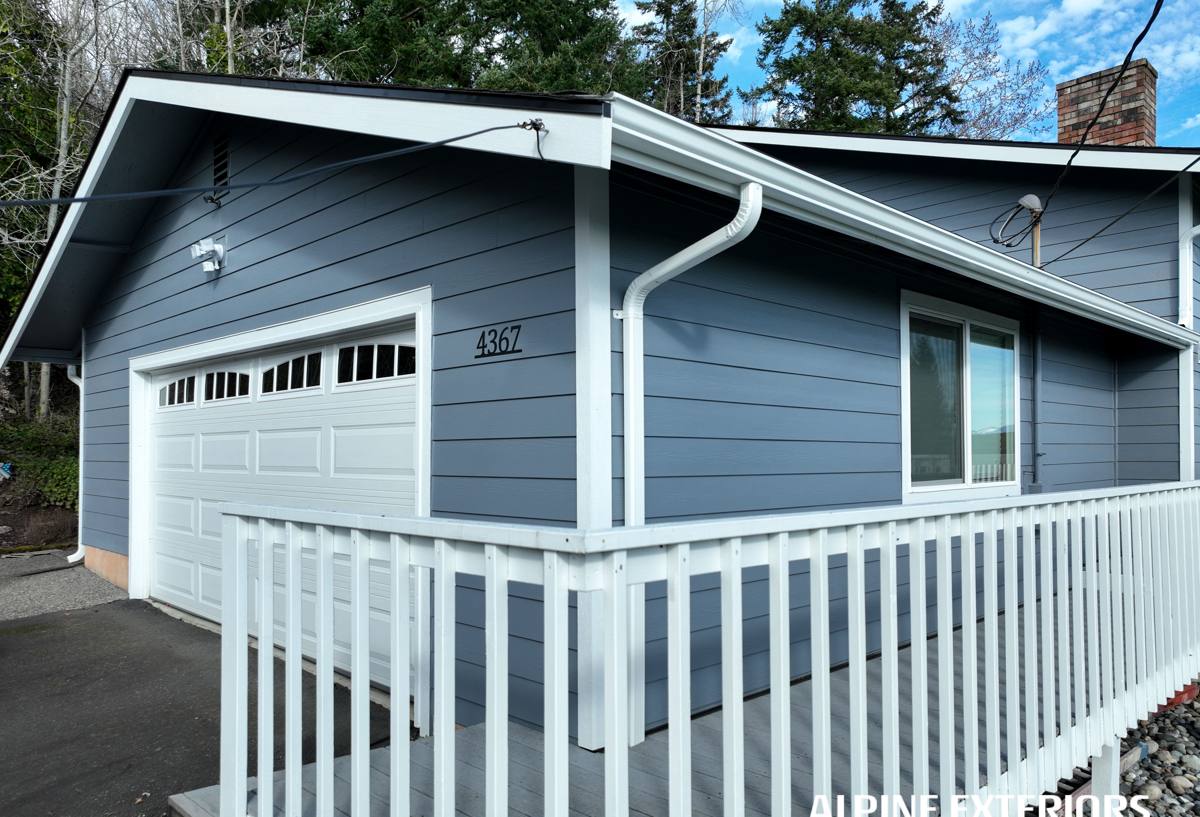
Signs a Dunedin Home Is Ready for a New Roof
Roof replacement decisions in this climate usually come down to age, storm exposure, or a combination of both. Some signs are obvious from the ground; others only show up on the deck or in the attic.
- Shingles that are curling, cupping, or losing significant granules — you'll often see granule buildup in gutters
- Cracked, brittle, or missing tiles on a tile roof, or visible lifted seams on a metal roof
- Soft spots, sagging, or visible unevenness across roof planes
- Daylight visible through the roof deck from inside the attic
- Water stains on ceilings or in the attic after heavy rain, even without an obvious leak point
- A roof that's approaching or past its material's expected service life
- Recent hail or wind damage, or a roof that's had multiple patch repairs in the last few years
- Difficulty getting affordable insurance coverage because of the roof's age or condition
Any one of these on its own doesn't always mean full replacement — sometimes a targeted repair is the honest answer. That's why we inspect before we quote, rather than assuming every call needs a new roof.
What a Correct New Roof Installation Actually Involves
A roof that holds up in Pinellas County weather is built in layers, and every layer has to be done right for the system to work. Cutting a corner on any one of these is usually invisible on installation day and very visible three years later.
Tear-Off and Deck Inspection
We remove the existing roofing material down to the deck rather than layering over it. That lets us actually see the plywood or OSB underneath — soft, delaminated, or water-damaged deck sections get replaced before anything new goes down. Installing a new roof over a compromised deck is one of the most common ways a "new" roof fails early.
Underlayment and Water Barrier
The underlayment is the roof's backup defense — it's what protects the home if wind-driven rain gets past the primary roofing material, which happens more often in coastal storms than most homeowners realize. We install a synthetic or self-adhering underlayment appropriate to the roofing material and the roof's exposure, with particular attention to eave and valley areas where wind-driven water tends to concentrate.
Flashing at Every Penetration and Transition
Chimneys, skylights, plumbing vents, sidewalls, and roof-to-wall transitions are where the majority of leaks actually originate — not the open field of the roof. Correct flashing means new metal at every one of these points, properly lapped with the underlayment and roofing material, not caulked-over old flashing reused to save time.
Fastening for Wind Resistance
Florida Building Code sets minimum fastening patterns and wind-uplift requirements based on the home's location and exposure category, and Pinellas County enforces those requirements at permitting and inspection. We follow the fastening schedule the material manufacturer and code require for this area — not the minimum that happens to be faster to install.
Ventilation
An underventilated attic traps heat and moisture, which shortens shingle life from underneath and can contribute to deck problems over time. We check existing intake and exhaust ventilation during the inspection and correct it as part of the new roof scope when it's inadequate.
Roofing Material Options for Dunedin Homes
There's no single "best" roofing material — the right choice depends on the home's roof structure, budget, HOA rules if applicable, and how long the homeowner plans to stay in the house. Here's an honest comparison of the main options we install.
| Material | Typical Lifespan | Wind/Storm Behavior | Maintenance |
|---|---|---|---|
| Architectural asphalt shingle | 20–30 years | Good when correctly fastened and rated for the exposure; most common choice locally | Low; periodic inspection after storms |
| Standing seam metal | 40–50+ years | Excellent wind uplift resistance with proper attachment; sheds wind-driven rain well | Low; watch fastener and coating condition near the coast |
| Concrete or clay tile | 40–50+ years | Heavy and durable, but individual tiles can crack from impact or foot traffic | Moderate; occasional tile replacement, underlayment is the long-term wear item |
| 3-tab asphalt shingle | 15–20 years | Lower wind rating than architectural shingles; less common as a first choice today | Low, but shorter service life overall |
We'll walk through which of these fits your home, your roof's structure, and your budget honestly — including telling you when a less expensive option is genuinely the right call, not just upselling toward the priciest material.
Wind Mitigation, Codes, and Insurance Considerations in Pinellas County
Because Pinellas County is a coastal, hurricane-exposed area, Florida Building Code applies wind-borne debris and wind-uplift provisions here that don't apply to inland construction elsewhere in the state. A correctly installed new roof is built to those standards — that includes fastening schedules, underlayment type, and in some cases secondary water barrier requirements depending on the roof design.
A new roof also typically qualifies a home for a wind mitigation inspection, which can lower windstorm insurance premiums. We can't guarantee insurance outcomes since that's between the homeowner and the carrier, but we build to the standards that make a strong wind mitigation report possible, and we can point you toward getting that inspection scheduled once the roof is complete.
Our New Roof Installation Process
- Inspection and estimate. We assess the current roof, deck condition (where visible), attic ventilation, and any storm damage, and give you an honest recommendation — repair or replace.
- Material selection. We go over the options that fit your roof, budget, and how long you plan to own the home, without pressure toward the most expensive option.
- Permitting. We pull the required permit through Pinellas County or the applicable local jurisdiction before work begins — this isn't optional, and it protects you when it's time to sell or file an insurance claim.
- Tear-off and deck repair. Old material comes off, the deck is inspected, and any damaged sections are replaced.
- Underlayment, flashing, and material installation. Installed in the order and manner the manufacturer and code require, with attention to every penetration and edge detail.
- Final inspection. The permitting jurisdiction inspects the completed work, and we do our own walk-through before calling the job done.
- Cleanup. Full site cleanup, including a magnetic sweep for stray nails and debris removal.
Why Local Experience in Dunedin Specifically Matters
A roofing crew that works Dunedin and the surrounding Clearwater area regularly knows the practical realities that don't show up in a manual: which roof styles and pitches are common in the area's older versus newer neighborhoods, how salt air exposure varies depending on how close a property sits to the water, and how to work efficiently with Pinellas County's permitting and inspection process rather than losing weeks to avoidable delays.
That local familiarity also matters after the job is done. A crew based in the area is available for follow-up, warranty service, or a post-storm check without the delays that come with calling a company that only shows up in the region after a hurricane, does rushed work, and then is gone.
Cost Factors for a New Roof in Dunedin
We don't publish flat prices because roof cost depends on real variables specific to each home. What we can do is lay out honestly what drives cost up or down, so an estimate makes sense when you get one.
| Factor | Effect on Cost |
|---|---|
| Roof size and number of planes/valleys | Larger, more complex roofs take more material and labor |
| Roof pitch and accessibility | Steep or hard-to-access roofs require more safety setup and time |
| Material choice | Asphalt shingle is generally the most budget-friendly; metal and tile cost more upfront but last longer |
| Deck condition | Rotted or damaged decking found during tear-off adds material and labor to replace it correctly |
| Number of penetrations (chimneys, skylights, vents) | Each one needs individual flashing work |
| Layers of existing roofing to remove | Multiple old layers mean more tear-off labor and disposal |
| Permit and code requirements | Wind-rated underlayment and fastening add cost but are non-negotiable for durability here |
We give a detailed, itemized estimate after the inspection so you can see exactly what you're paying for, not a vague lump-sum number.
Maintaining a New Roof After Installation
A properly installed roof still benefits from basic upkeep, especially given the local climate:
- Keep gutters clear so water isn't backing up under the roof edge during heavy rain
- Have the roof checked after any significant storm, even if there's no visible damage from the ground
- Trim back overhanging branches that can abrade roofing material or drop debris
- Keep attic ventilation clear and unobstructed
- Rinse off accumulated salt residue periodically if the home is close to the water, particularly on metal components
None of this requires much time or money, but it meaningfully extends how long a correctly installed roof performs at its best.
If your Dunedin roof is aging, storm-damaged, or you just want an honest assessment of where it stands, we're glad to take a look. Reach out for a free, no-pressure estimate using the form below — we'll inspect the roof, answer your questions directly, and give you a straightforward recommendation either way.