 Clearwater Window
 Roof Repair Built for Dunedin's Coastal Climate
Dunedin sits close to the Gulf of Mexico in Pinellas County, and that location shapes exactly how a roof fails here. It isn't one thing wearing a roof down — it's several things happening at once, year after year. Hurricane-force winds during storm season lift shingle tabs and work flashing loose. Wind-driven rain gets pushed sideways under laps and seams that were never designed to handle water moving in that direction. Intense, near-constant UV exposure bakes sealants and shingle mats until they turn brittle. And salt air drifting in off the Gulf accelerates corrosion on nails, flashing, and any exposed metal far faster than it would happen inland.
None of that means a Dunedin roof is doomed — it means repairs have to be done with that combination of stressors in mind. A patch that would hold up fine in a drier, calmer climate can fail here within a season if it doesn't account for wind uplift, UV breakdown, and salt corrosion together. That's the standard we hold every repair to.
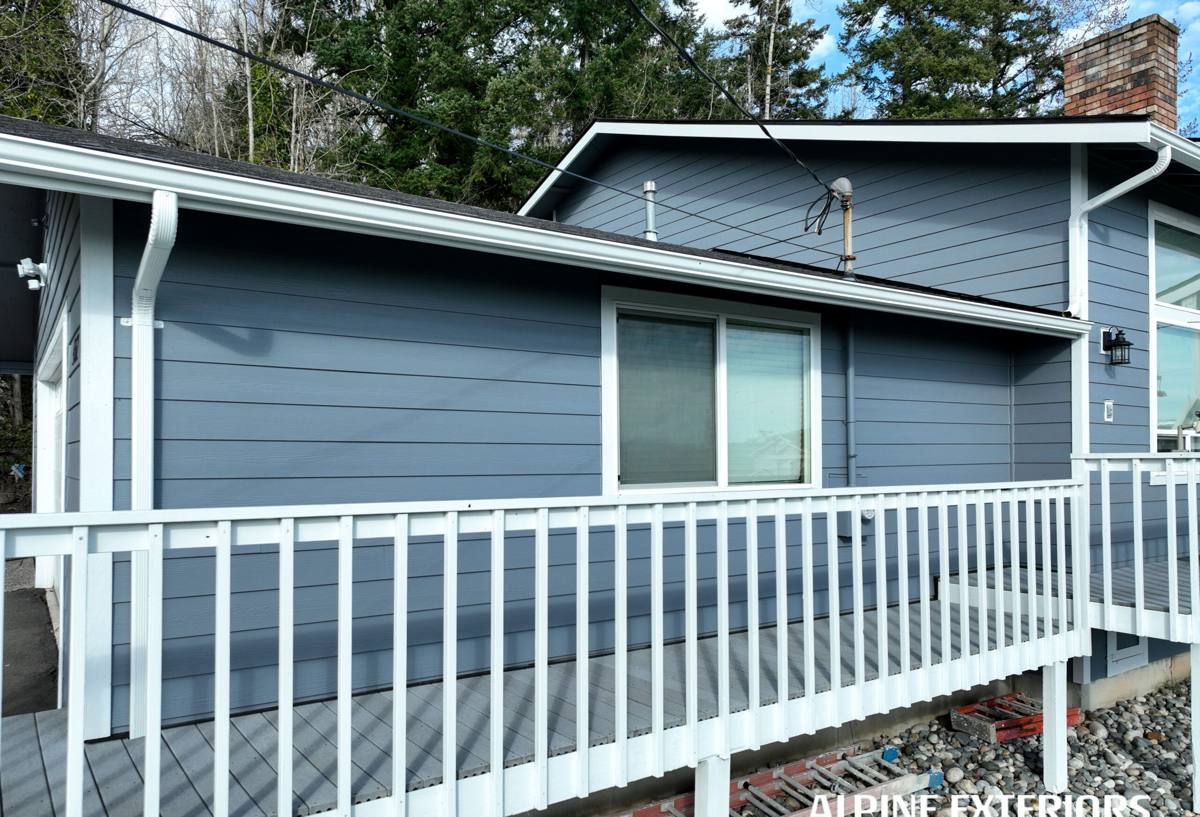
Common Signs a Dunedin Roof Needs Repair
Roof damage in this climate is often gradual, and homeowners tend to notice the symptoms indoors long before they see the cause on the roof itself. Some of the most common warning signs we get called out for include:
- Water stains on ceilings or interior walls, especially after a heavy rain or windstorm
- Missing, cracked, curling, or lifted shingles visible from the ground
- Granules collecting in gutters or at downspouts, a sign the shingle surface is wearing thin
- Soft or spongy spots when walking the roof, which usually means the decking underneath is compromised
- Visible gaps, rust, or lifted edges around flashing at chimneys, vents, and roof-to-wall joints
- Daylight visible through the attic decking or soffits
- A noticeably higher cooling bill, which can point to a compromised attic seal or ventilation problem tied to roof damage
Any one of these on its own might be minor. Several at once, or damage that shows up right after a storm, is a reason to have it looked at before the next round of wind-driven rain finds the weak spot.
What a Proper Roof Repair Actually Involves
Finding the Real Source of the Leak
Water rarely enters where it shows up. A ceiling stain in one room can trace back to a flashing gap several feet away, with the water traveling along a rafter or the underside of the decking before it drips. A repair that just patches the visible spot without tracing the actual entry point almost always leaks again — often in a new location that makes the original patch look like it failed. Proper diagnosis means getting on the roof, checking flashing, penetrations, seams, and decking condition, and confirming the path water actually took before any material goes down.
Matching Materials and Manufacturer Specs
Shingles, underlayment, and flashing all have to be compatible with what's already on the roof — mismatched materials can void a manufacturer's warranty even when the repair itself is done well. We match shingle profile, color, and weight as closely as the existing roof allows, and we use fasteners and flashing rated for coastal, high-wind exposure rather than generic hardware.
Flashing, Underlayment, and the Details That Actually Stop Water
Most roof leaks in this area trace back to flashing and underlayment, not the shingles themselves. Step flashing at walls, counter-flashing at chimneys, and boot flashing at pipe penetrations all take direct hits from wind-driven rain. When we repair a section, we don't just re-seal the surface — we check what's underneath, replace underlayment that's degraded from UV or moisture, and rebuild flashing details so water sheds the way it's supposed to, not just where it's convenient to seal.
Cleanup and Verification
A repair isn't finished when the material is installed. We clear debris and old fasteners from the roof and gutters, and we check the work from the attic side where possible to confirm there's no ongoing moisture path before we call the job done.
Repair or Replace? How We Help You Decide
Not every roof problem calls for a full replacement, and not every roof is a good candidate for another round of patching. We walk homeowners through the honest trade-offs rather than defaulting to whichever job is bigger. Some of the factors that matter most:
| Factor | Repair Usually Makes Sense | Replacement Should Be Considered |
|---|---|---|
| Roof age | Roof is under roughly 10-15 years old | Roof is near or past its expected material lifespan |
| Damage extent | Isolated to one section, flashing point, or storm event | Widespread across multiple slopes or repeated storm damage |
| Repair history | Few or no prior repairs to that area | Same area has been patched multiple times already |
| Decking condition | Decking is sound underneath the damaged section | Decking is soft, rotted, or water-damaged in multiple areas |
| Insurance situation | Damage is localized storm damage with a clear cause | Adjuster or wind-mitigation inspection flags broader roof-system issues |
When a repair is the right call, we say so. When it isn't — because the underlying roof system is too far gone for a patch to hold — we'll explain exactly why, in plain terms, before you spend money on a fix that won't last.
Our Roof Repair Process
- Inspection and diagnosis. We get on the roof (and in the attic when needed) to trace the actual source of the problem, not just the visible symptom.
- Written estimate. You get a clear scope of work and price before anything starts — no surprise add-ons once the job is underway.
- Material matching. We source shingles, flashing, and underlayment that match your existing roof and are rated for coastal wind and UV exposure.
- The repair itself. Damaged decking, underlayment, flashing, and roofing material are replaced as needed, with fasteners and sealants suited to this climate.
- Cleanup. Debris, old materials, and stray fasteners are cleared from the roof, gutters, and ground before we leave.
- Final walkthrough. We review the completed work with you and answer any questions about what was done and why.
Roofing Materials We Repair
Dunedin homes are covered in a mix of roofing types, and each one fails differently in this climate. Here's how the most common types typically show wear and what a repair generally involves:
| Roof Type | Typical Damage in This Climate | Repair Approach |
|---|---|---|
| Asphalt shingle | Wind-lifted tabs, UV-brittle shingles, granule loss, cracked sealant strips | Replace damaged shingles and underlayment, rebed flashing, match existing product line |
| Concrete or clay tile | Cracked or slipped tiles, deteriorated underlayment beneath intact tile, ridge cap issues | Carefully lift and reset tile, replace underlayment, rebuild ridge and hip details |
| Metal roofing | Loosened fasteners, sealant failure at seams and penetrations, minor corrosion near coastal exposure | Re-fasten with corrosion-resistant hardware, reseal seams and penetrations, spot-treat corrosion |
Whatever the material, the underlying principle is the same: the repair has to hold up to the next round of wind and rain, not just look finished the day it's done.
Why a Crew That Already Works in Dunedin Matters
Roof repair rules and expectations vary by jurisdiction, and Pinellas County has its own permitting thresholds, inspection requirements, and wind-mitigation standards that affect how certain repairs are documented — which matters if you ever file an insurance claim. A crew that regularly works in this area already knows which repairs require a permit, what an adjuster typically wants to see documented, and how local building requirements apply to reroofing versus repair work.
There's also a practical side to local familiarity: knowing which shingle and tile lines are common on homes in this area makes it easier to find a close material match, and understanding how salt air and coastal wind actually behave here — rather than working from generic manufacturer guidelines — shapes better decisions about fastener spacing, flashing details, and sealant choice. That's the difference between a repair that's technically done and one that's actually built for Dunedin.
Insurance and Wind Mitigation Considerations
If your roof damage followed a storm, it may be covered under your homeowner's policy, and how a repair is documented can matter for that claim. We provide clear before-and-after documentation of the damage and the work performed, which is generally what adjusters expect to see. If your home has a wind mitigation inspection on file, we're also mindful of how repair materials and methods can affect that rating going forward — a poorly matched patch can undercut the wind-resistance credit you've already earned. We won't file or negotiate your claim for you, but we'll give you the documentation and honest information you need to work with your insurer.
If you're dealing with a leak, storm damage, or a roof that's just showing its age, we're happy to take a look and give you a straight answer about what it actually needs. Reach out for a free, no-pressure estimate using the form below.