 Clearwater Window
 Siding Repair Built for Dunedin's Coastal Conditions
Dunedin sits close to the Gulf, which means homes here take on a combination of stressors that inland Pinellas County properties don't deal with in the same way. Salt-laden air corrodes fasteners and trim, wind-driven rain during summer storms finds every gap in a compromised siding system, and the sun beats down on exterior walls nearly every day of the year. Siding that looks fine from the street can be hiding moisture intrusion, soft spots, or fastener failure that only shows up once you get close.
Siding repair isn't just cosmetic patchwork. Done correctly, it's a diagnostic process first and a repair process second — figuring out why a section failed before deciding how to fix it. Done incorrectly, a repair can trap moisture behind the wall and turn a small problem into a much larger one within a year or two.
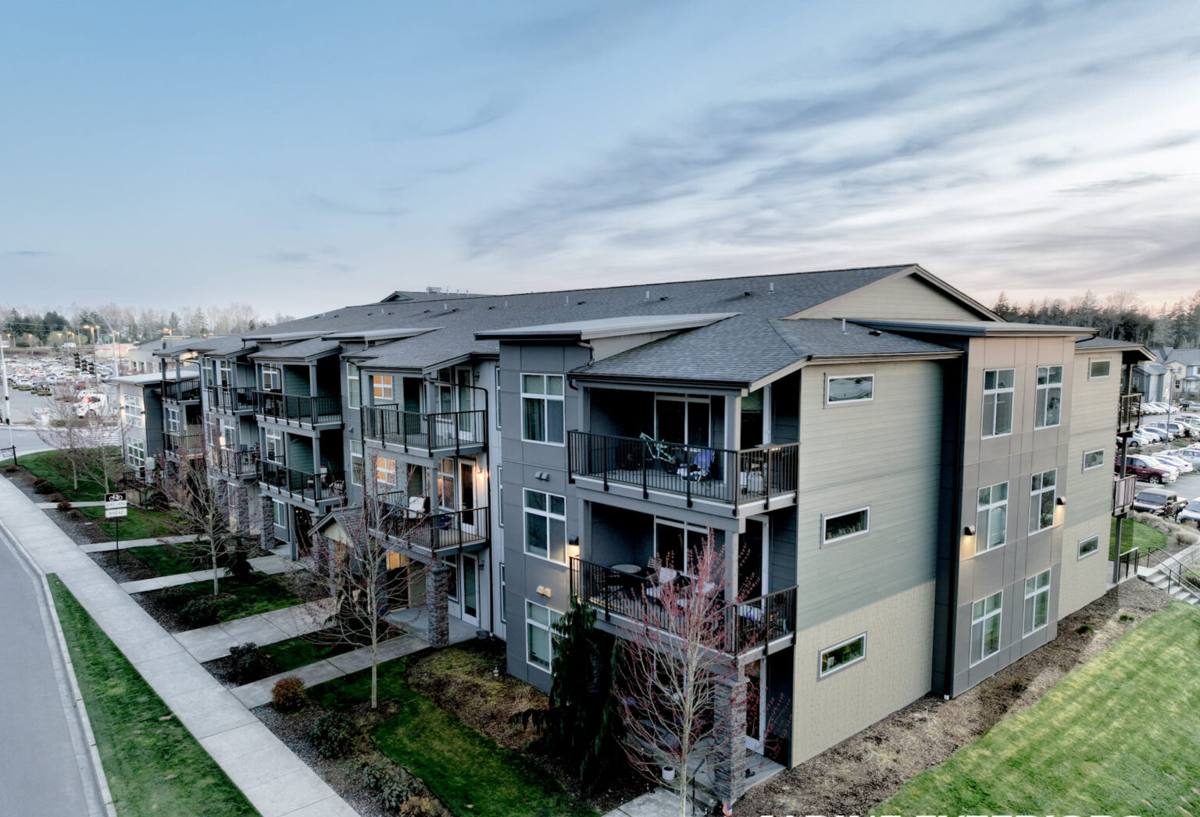
Signs a Dunedin Home Needs Siding Repair
Most siding damage doesn't announce itself. Homeowners usually notice a problem only after it's had time to develop. Here's what we tell Dunedin homeowners to watch for between routine inspections:
- Cracked, split, or buckled siding panels, especially after a windstorm or heavy rain event
- Soft or spongy spots when you press on siding near the bottom of walls or below windows
- Peeling, bubbling, or chalky paint — often a sign moisture is moving through the material
- Visible gaps at seams, corners, or around window and door trim
- Rust streaks below nail heads or fasteners, common in salt-air environments
- Warping or separation where siding meets soffits, fascia, or the roofline
- A musty smell or discoloration on interior walls that back up to exterior siding
Why These Signs Matter More Near the Water
The same crack in a panel that might sit stable for years in a dry inland climate can widen quickly in Dunedin once wind-driven rain gets behind it. Salt air also accelerates corrosion on fasteners and flashing, so a repair that looks solid on the surface can fail early if the hardware underneath wasn't addressed at the same time.
What a Correct Siding Repair Actually Involves
A repair that only replaces the visible damaged piece and stops there is doing half the job. We approach every repair with the same sequence:
1. Find the Root Cause
Cracked or damaged siding is often a symptom, not the whole problem. We check flashing, house wrap, caulking, and the condition of the substrate behind the siding before we touch the visible damage. If water has been getting in, replacing the panel without addressing the entry point just delays the next repair.
2. Assess What's Behind the Wall
Where damage has been present for a while, we check for soft sheathing, rot, or mold. This step is non-negotiable — patching over a compromised substrate is a short-term fix that costs more to undo later.
3. Match Material, Profile, and Finish
Repairs stand out fast if the replacement piece doesn't match the existing siding's exposure, profile, and color. On homes with James Hardie ColorPlus finished siding, matching is straightforward because the factory finish is consistent and traceable. On older or discontinued siding products, an exact match can be difficult or impossible — something we'll tell you honestly during the estimate rather than after the work is done.
4. Seal and Flash Correctly
Every repair gets sealed and flashed to manufacturer specifications, not just caulked over. In a coastal climate like Dunedin's, a repair that skips proper flashing is a repair that fails again within a couple of storm seasons.
Repair or Replace? How We Help You Decide
Not every damaged section needs a full re-side, and not every repair is worth doing on its own. The right call depends on how much of the home is affected, the age and condition of the existing siding, and what's driving the damage in the first place.
| Factor | Leans Toward Repair | Leans Toward Replacement |
|---|---|---|
| Extent of damage | Isolated to one or two sections | Spread across multiple walls or elevations |
| Age of existing siding | Under 10-15 years, otherwise sound | Original siding is 20+ years old or discontinued |
| Underlying substrate | Dry, solid sheathing behind damage | Soft, rotted, or moisture-compromised sheathing |
| Material match | Current product still available | Discontinued profile, color, or manufacturer |
| Cause of damage | One-time storm impact | Chronic moisture or material failure |
We'll walk the whole exterior with you, not just the section you called about, because damage from wind and moisture rarely stays confined to one wall for long in this climate.
What We See on Dunedin Homes, and How It Affects the Repair
Pinellas County has a real mix of siding materials, and what's on your home changes what a repair can realistically accomplish.
Vinyl Siding
Vinyl can crack in impacts and warp under sustained heat, which is common on south- and west-facing walls that take direct Florida sun. Small sections can sometimes be swapped if matching stock is available, but vinyl fades unevenly over time, so a patched section may not blend perfectly even when the profile matches.
Wood and Engineered Wood Siding
Wood-based products are the most vulnerable to the humidity and wind-driven rain typical of this area. Rot, delamination, and swelling are common repair calls, and once moisture has worked into wood siding, the damage is often more extensive than what's visible from outside.
Older Fiber Cement
Older or budget fiber cement products can develop cracking at fastener points or finish failure over time. Repairs are usually straightforward, but if the siding is nearing the end of its practical life, patching individual sections becomes a losing game against ongoing maintenance costs.
James Hardie Fiber Cement
This is the only siding product we install, and it's also the easiest to repair correctly when damage does occur. The HZ5 product line is engineered specifically for high-humidity, coastal climates like ours, the ColorPlus factory finish gives us a real color match instead of a guess, and the material itself doesn't rot, warp, or attract termites. When we're called to repair Hardie siding that was installed to spec, it's almost always storm impact, not the material failing on its own.
Why We Don't Chase Every Material With a Repair
We're a James Hardie-only contractor, and that shapes how we talk to you about repairs. If your home has vinyl, wood, LP SmartSide, or another fiber cement product and the damage is limited, we'll repair or patch it honestly if that's the sound call. But if a section is beyond a clean repair, we're not going to recommend replacing it with a product we don't stand behind. We'll tell you what we see, what your realistic options are, and where Hardie fits if you're facing a bigger decision — without pressuring you into a full re-side for a problem a proper repair can solve.
Our Siding Repair Process in Dunedin
- On-site inspection — we look at the damaged area and the surrounding siding, not just the spot you called about
- Root-cause diagnosis — checking flashing, house wrap, and substrate condition before proposing a fix
- Honest recommendation — repair, targeted replacement, or a note that it's not urgent, based on what we actually find
- Written estimate — clear scope and pricing before any work starts, no surprise add-ons
- Repair work — matched materials, correct flashing and sealing, cleanup when finished
Why Hiring a Crew That Already Works in Dunedin Matters
Siding repair looks similar on paper across the state, but the details that make a repair last are local. A crew that regularly works Clearwater and Dunedin knows how fast salt air corrodes exposed fasteners, how directly summer storms hit homes near the water, and which product lines actually hold up under it. That familiarity shows up in small decisions — which fastener to use, how much clearance to leave at grade, how tight the flashing needs to be — that a crew unfamiliar with this coastline might not think twice about.
It also matters for timing. Storm season brings a rush of repair calls across Pinellas County, and a contractor who already has a presence in the area can usually respond faster than one traveling in from farther out.
Keeping Repaired Siding in Good Shape Afterward
A repair is only as good as the maintenance that follows it. In Dunedin's climate, that means:
- Rinsing salt residue off siding periodically, especially on walls facing open water or prevailing wind
- Checking caulking and sealant at trim, windows, and corners once a year
- Trimming vegetation back from siding to keep airflow and sunlight reaching the wall surface
- Walking the exterior after major storms to catch new damage early, before it spreads
Catching small issues early is almost always cheaper and less disruptive than waiting until a section fails outright.
If you're seeing cracked, warped, or damaged siding on your Dunedin home, we're happy to take a look and give you a straight answer on what it needs. Reach out for a free, no-pressure estimate — we'll tell you if it's a simple repair, and we won't push you toward more than the job calls for.