 Clearwater Window
 Why Dunedin Siding Has to Work Harder Than Most
Dunedin sits close enough to St. Joseph Sound and the Gulf that its homes take on a different set of stresses than siding thirty miles inland. Salt-laden air moves through the area year-round, working on fasteners, caulk joints, and paint film long before most homeowners notice. Add Pinellas County's intense, near-constant UV exposure, seasonal wind-driven rain, and the real possibility of hurricane-force gusts, and you have a climate that finds every weak point in a siding system within a few years, not a few decades.
Most siding products are engineered to an average national climate, then sold everywhere. Fiber cement is different when it is specified and installed correctly for this region — and that distinction, correctly for this region, is the whole point of this page.
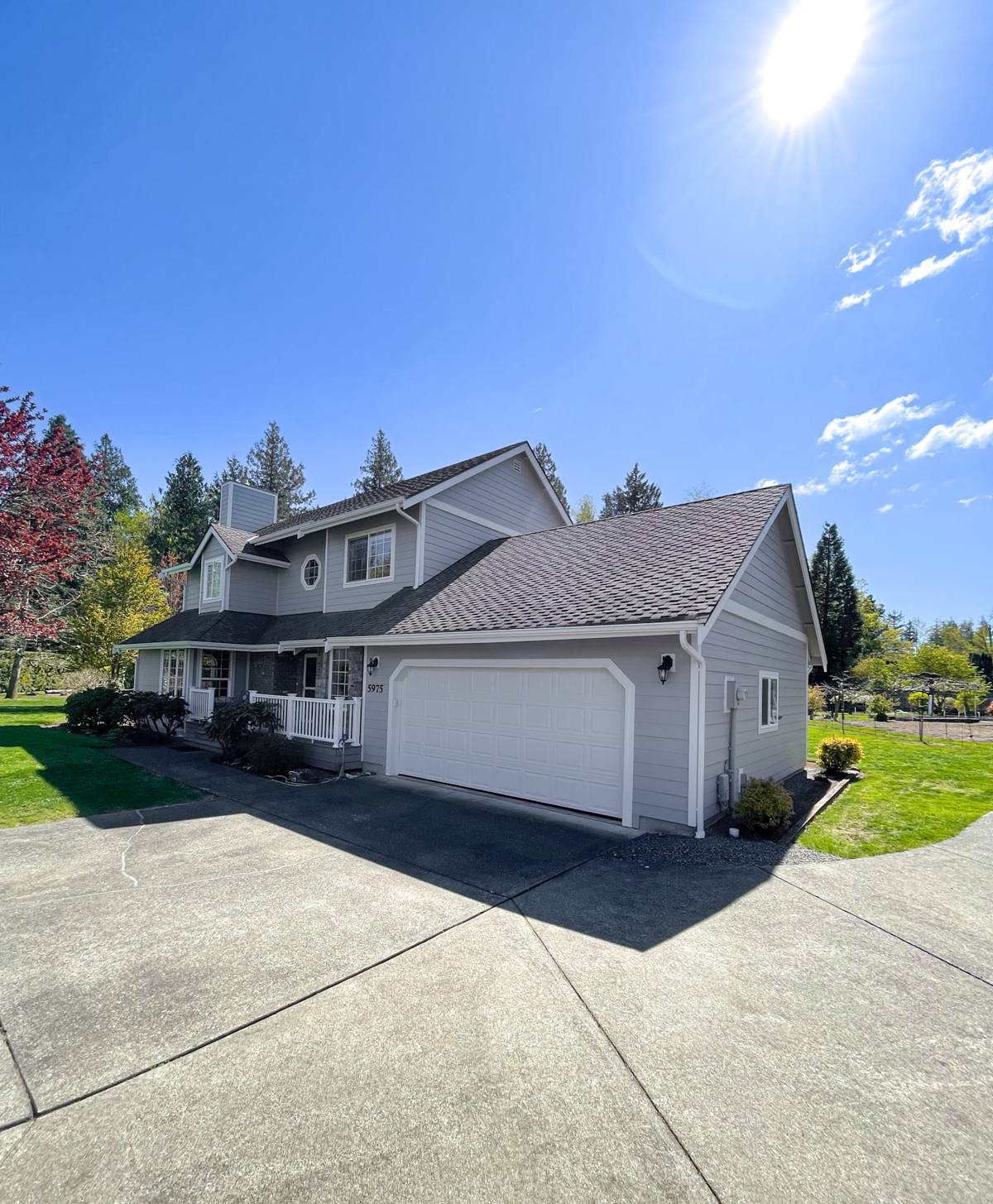
What Dunedin Homes Actually Need From a Siding Material
Before talking about installation, it helps to know what the material itself has to survive here:
- Sustained UV that fades and chalks lesser paint finishes within a handful of seasons
- Wind-driven rain that can force water sideways under poorly lapped or gapped panels
- Salt air that accelerates corrosion on exposed metal fasteners and trim
- Humidity swings that expand and contract organic or wood-based siding materials repeatedly
- Windstorm and hurricane exposure, which puts real load on how panels are fastened, not just what they're made of
Fiber cement addresses most of this by design: it does not burn, it does not rot, and it does not expand and contract the way wood-based or engineered-wood products do. But the material only delivers on that promise if the installation respects Dunedin's specific conditions — which is where a lot of siding jobs quietly fall short.
Not All Fiber Cement Is Engineered the Same Way
James Hardie manufactures its siding in different formulations for different climate zones, sold as HZ5® products for the Southeast and Gulf regions. That engineering targets exactly the conditions Dunedin deals with — humidity, moisture cycling, and pest exposure — rather than a generic national spec. It's a detail most homeowners never hear about, but it's the reason we specify HZ5 product lines on every Pinellas County installation rather than treating fiber cement as a one-size-fits-all material.
What a Correct Fiber Cement Installation Actually Involves
Fiber cement is only as good as the details around it. The panel itself resists moisture and fire well; the failures we get called out to fix almost always trace back to flashing, gapping, or fastening shortcuts rather than the siding material itself.
| Detail | Done right | Common shortcut we see |
|---|---|---|
| Panel gaps | 1/8" gaps at butt joints and trim, per manufacturer spec, to allow for movement | Panels butted tight, which traps moisture and can cause buckling |
| Flashing | Weather-resistant barrier and flashing tape at every penetration, window, and horizontal transition | Caulk used in place of flashing to save time |
| Fasteners | Corrosion-resistant fasteners, correct spacing, driven flush (not overdriven) | Standard fasteners that corrode faster in salt air, or overdriven nails that crack the board |
| Clearance | Minimum clearance from roofing, decks, and grade per manufacturer requirements | Siding run down to grade or roofline, wicking moisture |
| Caulking | Used sparingly, at specified joints only, with a quality sealant rated for this climate | Over-caulking used to mask gaps or bad cuts |
None of this is exotic. It's James Hardie's own published installation spec. But it takes longer to do right, and on a home exposed to Gulf Coast wind and rain, skipping any one of these steps is what turns a 30-plus-year siding system into a callback in year five.
Our Process for a Dunedin Fiber Cement Siding Job
1. On-Site Assessment
We look at the existing siding and sheathing, note any moisture damage or rot already present, and check details like window flashing, roofline transitions, and grade clearance that will affect the new installation. This is also where we talk through panel profile, color, and any trim work specific to the home.
2. Tear-Off and Substrate Check
Old siding comes off and the sheathing underneath gets inspected before anything new goes up. In a coastal climate, hidden moisture damage behind old siding is common enough that we don't skip this step — covering a wet or compromised substrate with new siding just hides the problem for a few more years.
3. Weather-Resistant Barrier and Flashing
A proper water-resistive barrier goes down first, followed by flashing at every window, door, and horizontal joint. This layer does most of the real work of keeping wind-driven rain out of the wall assembly, regardless of how well the siding above it performs.
4. Installation to Manufacturer Spec
Panels are installed with correct gapping, fastener spacing, and clearances, following James Hardie's published requirements for HZ5 climate zones. Trim, corners, and transitions are finished to shed water rather than collect it.
5. Final Inspection
We walk the completed job checking caulking, fastener lines, and clearances before calling it finished. A siding job that looks good from the curb but skipped these details is exactly the kind of job that fails quietly over the next few storm seasons.
Why We Only Install James Hardie Fiber Cement
We don't install LP SmartSide, vinyl, Cemplank, Allura, primed spruce, or cedar. That's not a marketing position — it's a standard we hold because of what we've seen happen to each of those materials on homes in this climate, and it means every Dunedin job we do starts from the same baseline of material quality.
- Non-combustible. Fiber cement doesn't burn, which matters on a material that's also resisting constant UV and heat exposure.
- ColorPlus® factory finish. A baked-on finish applied under controlled conditions holds color longer under intense Florida sun than field-applied paint, and reduces the repainting cycle homeowners deal with on other materials.
- HZ5 engineering. Formulated for humidity and moisture exposure typical of the Gulf Coast, rather than a generic national product.
- Warranty structure. A transferable manufacturer warranty backed by a company with a long track record in fiber cement, which matters if the home changes hands.
Other materials aren't necessarily bad products in every application. Vinyl is inexpensive and low-maintenance in mild climates; engineered wood products have their advocates. But we've made a professional call that the combination of moisture behavior, fastening sensitivity, warranty limitations, or long-term appearance we've seen from those alternatives isn't what we're willing to put our name on in a coastal Pinellas County climate. James Hardie fiber cement, installed to spec, is what we stand behind.
Choosing a Siding Profile for a Dunedin Home
James Hardie's product line covers most architectural styles found in Dunedin's mix of older Florida cottages, mid-century ranches, and newer coastal-style builds.
| Profile | Look | Common use |
|---|---|---|
| HardiePlank® lap siding | Traditional horizontal lap, smooth or woodgrain texture | Most common choice; fits ranch and traditional Florida homes |
| HardiePanel® vertical siding | Vertical panel with battens | Coastal and modern-style exteriors, accent walls |
| HardieShingle® siding | Staggered or straight-edge shingle profile | Gable accents, cottage-style homes |
| HardieTrim® boards | Fascia, corner boards, window and door trim | Finishing detail on every job, matched to the siding profile |
We'll walk through profile and color options as part of the estimate — ColorPlus finishes come in a range that holds up well against Gulf sun, and matching trim keeps the finished look consistent.
What Affects the Cost of a Dunedin Fiber Cement Siding Job
We don't post fixed prices because every home is different, but the factors that move the number are consistent:
- Home size and wall area — the most basic driver of material and labor
- Removal and disposal of existing siding, and whether it reveals sheathing repairs
- Number of stories and access — second-story and tight-lot homes take longer
- Trim complexity — gables, dormers, and multiple roof transitions add labor
- Profile choice — lap, panel, and shingle siding have different install times
- Substrate condition — moisture or rot found during tear-off adds repair scope
The only way to get an accurate number is a walk of the actual home, which is what our estimate covers.
Maintaining Fiber Cement Siding in a Coastal Climate
Fiber cement is low-maintenance relative to wood or engineered-wood siding, but "low-maintenance" doesn't mean "no maintenance" in a salt-air environment. A short annual routine keeps a Dunedin installation performing for the long haul:
- Rinse the exterior periodically to clear salt residue and airborne grime, especially on sides facing prevailing wind off the water
- Inspect caulk joints at trim and penetrations once a year for cracking or separation
- Keep gutters clear so water isn't overflowing directly onto siding runs
- Trim landscaping back from the wall line to maintain airflow and reduce trapped moisture
- Have any impact damage from storm debris inspected promptly rather than left through another wind season
Why a Crew That Already Works in Dunedin Matters
Siding installation isn't just about the product — it's about knowing how a specific area's homes were built and what they're up against. A crew that regularly works Dunedin and the surrounding Pinellas County coastline already understands the wind exposure differences between an inland lot and one closer to the water, knows what local permitting and wind-rating requirements apply, and has seen firsthand which installation shortcuts cause problems in this specific climate versus a milder one. That local pattern recognition is hard to substitute with a general contractor working from a national playbook.
If you're weighing a siding replacement on a Dunedin home, we're happy to take a look and walk you through what correct fiber cement installation looks like for your specific house — no pressure, no obligation. Fill out the form below to schedule a free estimate.