 Clearwater Window
 Why Roofs in Dunedin Wear Out Faster Than the National Average
A roof in Dunedin does not have an easy life. It sits under some of the most intense year-round UV exposure in the country, gets hit by wind-driven rain during summer storms, and absorbs a steady drip of salt-laden air coming off the Gulf. None of these forces are dramatic on their own, day to day, but they compound. A shingle rated for a 30-year lifespan in a milder climate often shows granule loss, seal failure, or flashing corrosion well before that mark here in Pinellas County. That is not a defect in the homeowner's roof — it is simply what this coastal climate does to roofing materials over time.
Replacing a roof correctly in this environment means building in more protection than the minimum code requires, not less. That includes how the deck is prepared, how the underlayment is layered, how penetrations are sealed, and how the whole system is fastened for wind uplift. A roof that is only built to pass inspection is a roof that will need attention again sooner than it should.
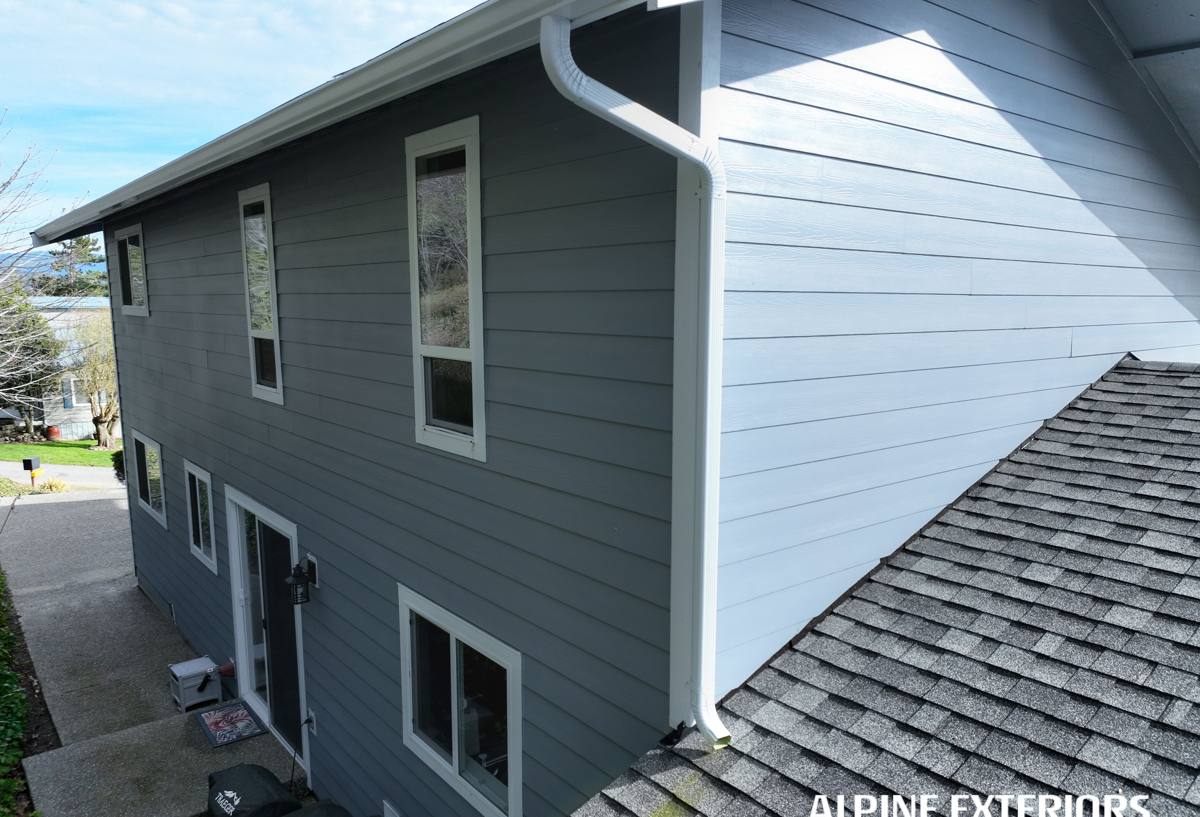
Signs a Dunedin Home Needs Replacement, Not Another Repair
Repairs make sense when the damage is isolated and the rest of the roof still has useful life left. Replacement becomes the more honest recommendation once the roofing system as a whole has aged out or been compromised in more than one place. Homeowners in this area should watch for:
- Granules collecting in gutters or at the base of downspouts, a sign the shingle surface is breaking down from UV exposure
- Shingles that are curling, cupping, or have visibly lost their seal after repeated wind events
- Soft spots or sagging in the roof deck when walked, which points to underlying wood damage
- Rusted, lifted, or missing flashing around chimneys, vents, and roof-to-wall transitions
- Staining on interior ceilings or attic sheathing, which usually means water has already found a way in
- A roof that is approaching or past the age where its manufacturer warranty would have expired anyway
- Difficulty getting affordable homeowners insurance renewal because of the roof's age or condition
Any one of these on its own might justify a repair. Several of them together, especially on an older roof, usually mean it is more cost-effective in the long run to replace than to keep patching.
What a Correct Roof Replacement Actually Involves
A roof replacement is more than swapping old shingles for new ones. The materials a homeowner sees are only the top layer of a system, and in a climate that produces both intense heat and heavy wind-driven rain, every layer underneath matters just as much.
Deck Inspection and Repair
Once the old roofing is stripped, the plywood or OSB deck underneath gets inspected for soft spots, delamination, or old water damage. Any compromised sections should be cut out and replaced before anything new goes down — covering a bad deck with new shingles just hides the problem and shortens the life of the new roof.
Underlayment and the Secondary Water Barrier
This layer is what protects the home if wind ever drives rain up under the shingles, which is a real possibility during tropical systems and strong summer thunderstorms. A synthetic or self-adhering underlayment installed correctly, with proper overlap and sealed fastener penetrations, is one of the most important — and least visible — parts of the entire job.
Flashing and Penetrations
Chimneys, plumbing vents, skylights, and roof-to-wall transitions are where the vast majority of roof leaks actually originate, not in the open field of shingles. New flashing, properly formed and sealed rather than reused or caulked over, is standard on any replacement done right.
Ventilation
Proper intake and exhaust ventilation keeps attic temperatures down, which matters in a climate that spends much of the year in intense heat. Poor ventilation shortens shingle life from the underside and can drive up cooling costs long after the new roof is installed.
Choosing a Roofing Material for a Dunedin Home
There is no single "best" roofing material for every home — the right choice depends on the home's structure, the homeowner's budget, and how long they plan to stay in the house. What matters is understanding the honest trade-offs of each option in a coastal, high-UV, wind-exposed climate.
| Material | Wind Performance | Heat & UV Tolerance | Salt Air Behavior | Typical Lifespan |
|---|---|---|---|---|
| Architectural Asphalt Shingle | Good, when rated and installed for high-wind zones | Moderate; quality varies by product line | Handles it well with proper flashing metals | 20-30 years in this climate |
| Standing Seam Metal | Excellent uplift resistance when properly fastened | Reflects heat well, reduces attic temperatures | Needs a coastal-rated finish to resist corrosion | 40-50+ years |
| Concrete or Clay Tile | Very good, but individual tiles can crack from wind-borne debris | Excellent; naturally heat-resistant | Very durable, largely unaffected by salt air | 40-50+ years |
Whichever material a homeowner chooses, the fasteners, flashing, and edge metal should always be corrosion-resistant. In a salt-air environment, mismatched or low-grade metal components are often what fails first, not the primary roofing material itself.
Permits, Wind Mitigation, and Local Code
Roof replacements in Pinellas County require a building permit and inspection, and current Florida Building Code applies regardless of what was on the roof before. This means underlayment, fastening patterns, and in many cases secondary water barrier requirements are stricter than what may have been installed decades ago. A reputable contractor pulls the permit, schedules the required inspections, and does not treat this step as optional paperwork.
It is also worth having a wind mitigation inspection performed after replacement. This documents the roof's improved wind-resistant features — such as a sealed roof deck or hip roof shape — and can qualify the home for meaningful discounts on windstorm insurance premiums, which matters in a coastal county where those premiums are not small.
How Our Roof Replacement Process Works
Homeowners generally move through the same sequence, though timelines vary with weather and permitting turnaround:
- On-site inspection and honest assessment of whether repair or full replacement is the right call
- Written estimate covering material options, scope of work, and a realistic timeline
- Permit application submitted to the local building department
- Delivery of materials and protection of landscaping, driveways, and gutters before work begins
- Tear-off of the old roofing system down to the deck
- Deck inspection and repair of any compromised sheathing
- Installation of underlayment, flashing, ventilation components, and the finished roofing material
- Full site cleanup, including a magnetic sweep for stray nails
- Final inspection by the local building department and walkthrough with the homeowner
Most single-family roof replacements are completed within one to a few days of active work once materials are on-site, though permitting and weather can extend the overall timeline.
Why It Matters to Hire a Crew That Already Works in Dunedin
Roofing crews that regularly work in this part of Pinellas County already understand things that take an outside contractor time to learn: which local building department reviews permits and how quickly, what wind-uplift and underlayment standards actually get enforced during inspection, and how HOA architectural guidelines in certain neighborhoods affect material or color choices. That familiarity translates into fewer surprises, fewer failed inspections, and a more accurate timeline from the start.
It also matters for warranty and follow-up. A crew based in the area is available if a question comes up after a storm, rather than being hours away or gone entirely once the final payment clears.
What Drives the Cost of a Roof Replacement
Every roof is different, so specific pricing depends on an actual inspection. In general, the total cost is shaped by a handful of factors:
| Cost Factor | Why It Matters |
|---|---|
| Roof size and pitch | Larger and steeper roofs require more material, labor, and safety setup |
| Number of layers being removed | Tear-off of multiple existing layers adds labor and disposal cost |
| Deck condition | Rotted or damaged sheathing found during tear-off must be replaced |
| Material selection | Asphalt, metal, and tile carry very different material and labor costs |
| Roof complexity | Valleys, dormers, skylights, and multiple penetrations add time and flashing work |
As a broad reference point, a straightforward asphalt shingle replacement on an average single-family home tends to fall in the lower range of roofing project costs, while metal or tile systems, or roofs with significant deck repair, run meaningfully higher. A written estimate after an on-site inspection is the only way to get a number that actually reflects a specific home.
Protecting Your Investment After Installation
A correctly installed roof still benefits from basic upkeep in this climate. Keeping gutters clear prevents water from backing up under the roof edge, trimming overhanging branches reduces debris and abrasion during wind events, and a visual check after any major storm helps catch small issues — a lifted shingle, a dented vent cap — before they become leaks. Most manufacturer warranties also require some documented maintenance, so keeping simple records of inspections is worth the small effort.
If your roof in Dunedin is showing its age or you simply want an honest opinion on where it stands, we offer a free, no-pressure estimate. Use the form below to get a straightforward inspection and a clear explanation of your options — no obligation either way.