 Clearwater Window
 Building New on Island Estates? The Windows Are Not a Detail to Get Wrong
Island Estates is a waterfront island community, and that changes what a window has to do compared to a typical inland lot. Whether you're building a new home from the slab up or putting on a major addition, the windows going into those rough openings are one of the few components on the house that have to perform against wind, water, and salt air every single day for decades. Get the product selection and installation right the first time, and you never think about it again. Get it wrong, and you're chasing leaks, corrosion, or code compliance issues long after the framing crew is gone.
This page is specifically about new-construction window installation for Island Estates — not replacement windows going into an existing opening, and not a generic overview of what we do everywhere in Clearwater. The distinction matters more than most homeowners and even some builders realize.
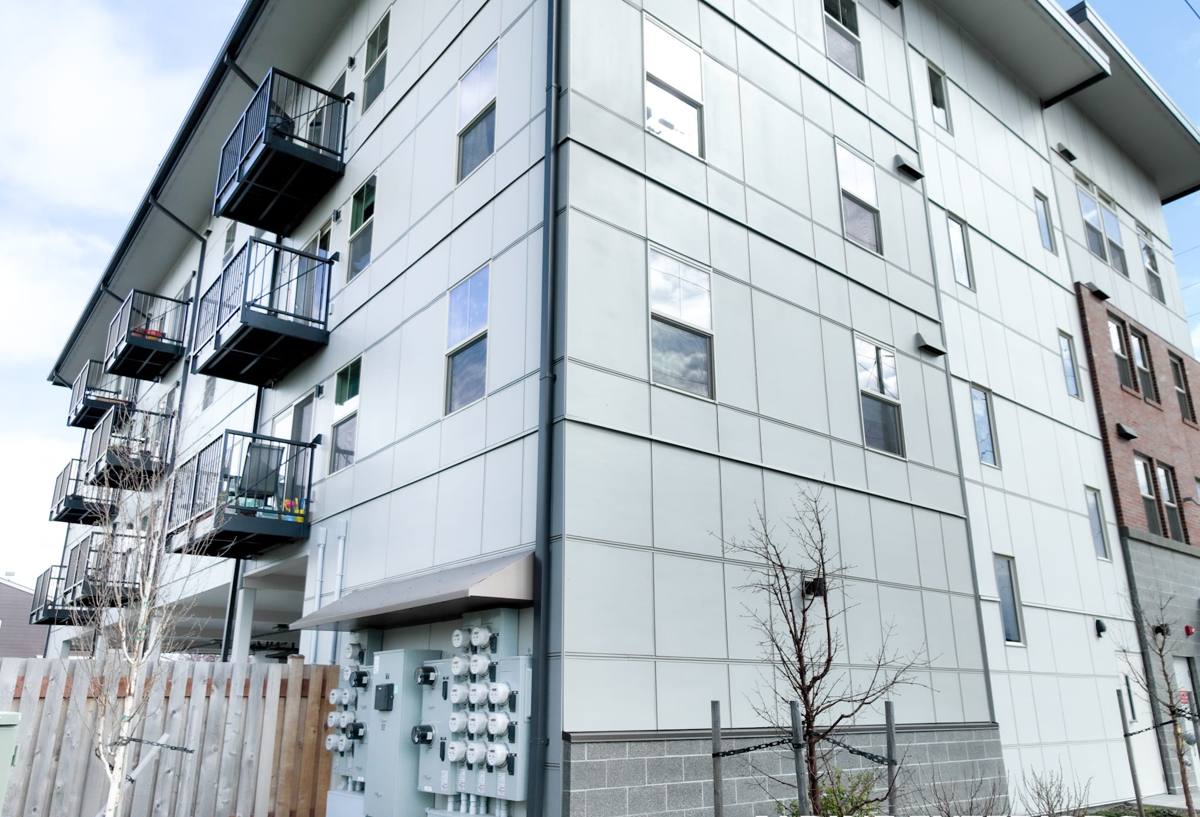
New Construction vs. Replacement: Why the Difference Matters Here
A new-construction window has a nailing flange built into the frame. It gets installed before the exterior finish goes on, integrated directly into the wall's water-resistive barrier (WRB) and flashing system while the opening is still open to the framing. A replacement window, by contrast, gets fitted into an existing finished opening with the exterior siding or stucco already in place.
On a new build or addition, you get one real shot to build the opening correctly — flashing sequenced properly, fasteners set to spec, sealants applied to the right surfaces in the right order. There's no siding to work around later. That's an advantage if the crew installing the windows knows what they're doing. It's a real liability if they don't, because mistakes get sealed inside the wall assembly and don't show up until there's already water damage.
What a Waterfront Island Lot Actually Demands
Island Estates sits directly exposed to open water, which means the building envelope deals with a combination most inland Pinellas County homes don't face at the same intensity:
- Higher sustained wind loads — open water fetch means less terrain to slow wind down before it hits the house, which factors directly into the design pressure rating your windows need.
- Wind-driven rain — during tropical systems and even routine summer storms, rain doesn't just fall, it gets pushed sideways into the wall assembly. Flashing details that would be fine on a sheltered lot aren't good enough here.
- Salt air corrosion — airborne salt attacks hardware, fasteners, and lesser frame finishes faster on the water than a few miles inland. Over years, corroded hinges and locks are one of the most common complaints we see on waterfront homes with the wrong hardware spec.
- Year-round UV exposure — Florida sun degrades cheap vinyl and low-grade seals faster than in most of the country. On new construction you're choosing glazing and frame materials for a 20-30 year service life, so this is worth getting right up front.
None of this means Island Estates requires anything exotic — it means the product selection and installation details that are "optional upgrades" on a sheltered inland lot are the baseline standard here.
Florida Building Code on the Water: Wind Loads and Impact Requirements
Pinellas County falls within the Wind-Borne Debris Region under the Florida Building Code, which means new-construction windows on Island Estates generally need to be either impact-rated (laminated glass that stays intact when struck) or paired with code-approved opening protection. Every window installed also needs a Design Pressure (DP) rating matched to the specific wind exposure and elevation of your lot — a waterfront island lot typically calls for a higher DP rating than a comparable inland home a few miles away.
This isn't a box-checking exercise. Each window product carries its own tested and labeled DP rating and impact approval (Florida Product Approval or Miami-Dade NOA where applicable), and that rating has to match what the engineered plans for your project actually require. On a new build, this gets coordinated with your architect or engineer's wind load calculations; on an addition, it gets checked against the existing structure and current code. We verify the product label matches the approved plan before anything goes in the opening, and we can walk you through what your specific plans call for before you commit to a product.
Elevation and Flood Considerations
Many Island Estates lots carry flood zone designations that affect finished floor elevation and, in turn, sill heights and how low windows can sit on lower levels. This is typically set by your civil engineer or the plans your builder is working from, but it's worth confirming early — it can affect window sizing and egress requirements before we ever get to the ordering stage.
The Installation Process That Actually Protects the Wall Assembly
Correct new-construction window installation is a sequence, and skipping steps or doing them out of order is exactly how leaks happen years later. Our process on Island Estates projects follows this order:
- Rough opening check — verify the opening is square, plumb, and sized correctly for the specified window before anything else happens.
- Sill pan flashing — a sloped, sealed pan at the bottom of the opening so any water that gets past the window sheds outward, not into the framing.
- WRB integration — the housewrap or building paper gets cut and lapped so water sheds over the flashing at every point, not under it. This is where a lot of installation shortcuts happen and it's the step most likely to cause hidden problems later.
- Window setting and fastening — set to the manufacturer's specified fastener type, spacing, and pattern through the nailing flange, shimmed so the frame isn't racked or bowed.
- Flange and head flashing — flashing tape or flashing membrane over the flange and a head flashing detail above the window so water is directed around, not behind, the unit.
- Sealant at the interior and exterior — appropriate sealants at the specified joints, not just a bead of caulk around the outside trim.
On a waterfront lot, we also pay close attention to fastener and flashing material compatibility — mixing the wrong metals or using standard fasteners in a high-salt environment invites galvanic corrosion that can loosen a window's anchoring over time. Marine-grade or coated fasteners are the standard we hold to on Island Estates work.
Choosing Frame Material and Glass for a Waterfront Home
There's no single "best" window for every home, but on Island Estates the water and sun exposure narrow the sensible choices. Here's how the common options stack up for a waterfront new build:
| Option | Salt Air / Corrosion Resistance | UV / Fade Resistance | Maintenance |
|---|---|---|---|
| Vinyl (quality, UV-stabilized) | Good — no metal hardware exposed to corrode | Good with UV-stabilized compound | Low |
| Aluminum (marine-grade, coated) | Fair to good with proper coating; needs correct fasteners | Good | Moderate — coating needs to hold up |
| Fiberglass | Very good — dimensionally stable, resists corrosion | Very good | Low |
| Wood or wood-clad | Poor without significant upkeep in salt air | Moderate | High |
For glazing, impact-rated laminated glass is the baseline for code compliance in this wind-borne debris region, and it carries a real side benefit on a waterfront lot: it cuts down noise from wind and boat traffic and blocks a significant amount of UV, which helps protect interior floors and furnishings from fading. We'll go through the specific product lines that meet your project's required DP rating and impact approval so you're comparing real, code-eligible options rather than a catalog of everything on the market.
Coordinating With Your Builder or GC
On new construction, window installation timing is tied to the framing and dry-in schedule — windows typically go in once the opening is framed and the WRB is on, before exterior finish work starts. We work directly with your general contractor or builder to hit that window in the schedule, confirm rough opening dimensions against the approved plans before ordering, and make sure the product specs we're installing match what the engineer of record specified for wind load and impact resistance. If you're the homeowner managing your own build or addition, we're glad to coordinate directly with your architect, engineer, or GC so nothing falls through the cracks between trades.
What a Correct New-Construction Window Job Includes
Before you sign off on window installation for an Island Estates project, this is the standard we hold ourselves to and the standard worth confirming with anyone bidding the work:
- Product label DP rating and impact approval match the engineered plans for your specific lot and elevation
- Sill pan flashing installed and sloped to shed water outward
- WRB properly lapped over flashing at every opening, not tucked under it
- Fasteners and flashing materials rated for coastal/salt-air exposure
- Manufacturer-specified fastener pattern and spacing through the nailing flange
- Head flashing detail above every window
- Interior and exterior sealant applied at the correct joints, not just cosmetic caulking
- Final inspection walk-through with photos of flashing and flange details before exterior finish covers them up
That last point matters more than it sounds — once the exterior finish goes on, the flashing and flange work is hidden for the life of the house. Photo documentation before that happens is the only way to verify the work later if a question ever comes up.
Why It Matters That We Already Work Island Estates
A crew that mainly installs windows on inland Clearwater and Pinellas County homes can still do fine work, but they're often making judgment calls about wind exposure, salt air, and flashing detail on the fly. A crew that regularly works Island Estates and similar waterfront communities already knows the local wind exposure category, has already coordinated with GCs building on these lots, and isn't guessing at what fastener or flashing spec holds up in this environment over the long run. That familiarity shows up in fewer surprises during inspection and fewer callbacks years down the road.
If you're planning a new build or addition on Island Estates and want to talk through window specs, code requirements, or scheduling with your builder, we're happy to walk through it with you. Reach out for a free, no-pressure estimate using the form below — there's no obligation, and it's the fastest way to get straight answers about what your specific project needs.