 Clearwater Window
 An Island Community Faces Conditions Most Neighborhoods Don't
Island Estates sits surrounded by water, connected to the rest of Clearwater by causeway, with canals and open bay wrapping most of the properties on it. That geography is why homeowners here love it — and it's also why siding on an Island Estates home ages differently than siding a few miles inland. Salt-laden air moves across these lots from more directions and with less obstruction than in landlocked Pinellas County neighborhoods. Add in Florida's intense year-round UV load, wind-driven rain during summer storms, and the real chance of hurricane-force gusts, and you have a combination that punishes weak siding materials and sloppy installation work faster than almost anywhere else in the region.
We install siding across the Clearwater area, but waterfront and near-waterfront neighborhoods like Island Estates get a different level of attention from us — different fastening details, different flashing choices, and a hard rule about which products we're willing to put our name behind.
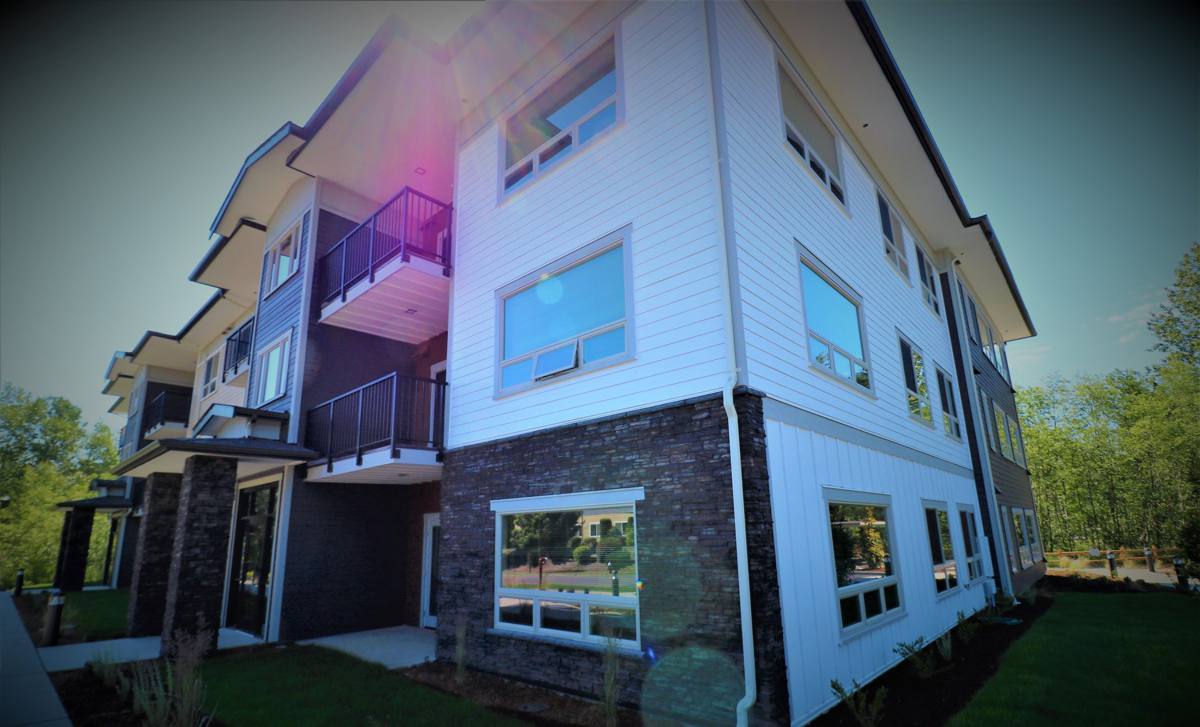
How Salt Air, Sun, and Storms Actually Damage Siding
It helps to understand the specific mechanisms at work, because they explain almost every siding failure we see on island and canal-front homes:
- Salt aerosol corrosion: Airborne salt settles on exterior surfaces and accelerates the breakdown of fasteners, trim, and any siding material that isn't formulated to resist it.
- UV degradation: Constant Florida sun breaks down pigments and surface coatings over time, leading to fading, chalking, and brittleness in lower-grade siding products.
- Wind-driven rain intrusion: Storms here don't just bring rain straight down — wind pushes water sideways and up under laps, seams, and trim that weren't detailed correctly.
- Humidity and moisture cycling: Repeated wet-dry cycles in a Gulf Coast climate stress any material prone to swelling, warping, or rot.
- Wind load: Waterfront exposure means fewer windbreaks between a home and open water, so siding and its fastening pattern need to hold up to higher sustained loads.
None of these factors act alone. A home on Island Estates typically deals with several of them simultaneously, which is exactly why siding choice and installation quality matter more here than in a typical subdivision.
Signs an Island Estates Home Needs Replacement, Not Just a Patch
Homeowners often ask whether a repair will get them by another few years. Sometimes it will. But certain signs point to full replacement being the more honest recommendation:
- Soft or spongy spots when you press on siding, especially near the bottom courses or around window and door trim — a sign moisture has gotten behind the material.
- Visible cupping, buckling, or waviness across multiple panels or boards, which usually means the material itself has failed, not just the surface finish.
- Paint that won't hold no matter how often it's redone — a strong signal the substrate underneath is no longer sound.
- Rust streaking from fasteners, or fasteners that have started to back out of the wall.
- Soft trim boards, delaminating panel edges, or visible gaps that have opened up at seams and corners.
- Damage after a storm that's widespread rather than isolated to one wall or corner.
Isolated damage on an otherwise sound, well-installed system can often be repaired. Widespread issues, or issues on a home that's approaching or past the expected service life of its current siding, usually mean it's time to talk about a full replacement rather than chasing the same problems every season.
What a Correct Siding Replacement Involves on a Waterfront Lot
Full siding replacement is more than pulling off old panels and nailing up new ones. On an exposed, salt-air lot like Island Estates, the sequence and the details matter as much as the material:
Tear-off and substrate inspection
Once the old siding is off, the sheathing and framing underneath get a real inspection — not a glance. This is when hidden rot, old moisture damage, or prior repair shortcuts show up, and it's far cheaper to address them now than after new siding is closed up over them.
Weather-resistive barrier and flashing
A correctly lapped weather-resistive barrier, properly integrated flashing at every window, door, and penetration, and correct sealant details at transitions are what actually keep wind-driven rain out — not the siding surface itself. This is the step that gets rushed on lower-bid jobs and is the most common source of future leaks.
Fastening for wind exposure
Fastener type, spacing, and embedment are engineered to the wind exposure of the specific wall, not applied as one generic pattern across the whole house. Corner boards, high-exposure elevations facing open water, and areas around large window openings typically need tighter attention.
Trim, caulking, and finish details
The trim package and caulking at every joint are what give a siding job its finished look and its long-term water resistance. Rushed trim work is one of the most common reasons a siding job looks fine on move-out day and starts failing within a couple of years.
Why We Only Install James Hardie Fiber Cement
We don't install vinyl siding, LP SmartSide or other engineered wood products, primed spruce, cedar, or fiber cement alternatives like Cemplank or Allura. That's a deliberate standard, not a marketing line, and it matters more on a lot like Island Estates than almost anywhere else we work.
Vinyl softens, warps, and becomes brittle under sustained UV exposure, and it has real limits in high wind. Engineered wood products are sensitive to moisture intrusion at cut edges and seams — a real risk in a climate with this much humidity and wind-driven rain. Untreated or primed wood needs a maintenance commitment most homeowners underestimate, especially in salt air. Some fiber cement alternatives are reasonable products, but we've standardized on one system so we can install it to spec every time, back it with a real warranty, and stand behind the result.
James Hardie fiber cement is non-combustible, engineered specifically for high-humidity, high-UV, storm-prone climates through its HZ5 product line, and finished with a factory-applied ColorPlus finish that resists fading far better than field-applied paint. It holds up to salt air exposure without the swelling, warping, or UV breakdown that affects other materials, and it carries a strong, transferable manufacturer warranty when installed correctly.
Comparing How Common Siding Materials Hold Up on a Salt-Air, High-Wind Lot
| Material | Salt air / humidity resistance | UV / color stability | Wind performance | Long-term maintenance |
|---|---|---|---|---|
| James Hardie fiber cement | Engineered for high-humidity climates | Factory ColorPlus finish resists fading | Strong when installed to spec | Low — no rot, no insect damage |
| Vinyl siding | Doesn't rot, but can warp under heat | Prone to fading and chalking over time | Limited wind rating vs. fiber cement | Low, but shortened lifespan in intense sun |
| Engineered wood (LP SmartSide, etc.) | Sensitive at cut edges and seams | Needs field-applied finish maintenance | Adequate when properly sealed | Moderate — moisture vigilance required |
| Untreated / primed wood or cedar | Vulnerable without diligent upkeep | Requires repainting on a regular cycle | Adequate structurally | High — ongoing paint and sealing |
Choosing the Right Hardie Line and Color for a Waterfront Home
Most Island Estates homes work well with either HardiePlank lap siding for a traditional horizontal look or HardiePanel for a more modern, coastal aesthetic, sometimes combined with HardieTrim for window and corner detailing. The right choice usually comes down to the home's architecture and what the homeowner wants it to look like from the water side as much as the street side, since canal-front homes are seen from both angles.
Color matters too. ColorPlus finishes are baked on in a controlled factory process rather than sprayed on site, which is a real advantage in a climate that's hard on field-applied paint. We'll walk through the available lines and colors as part of the estimate, factoring in how a given color performs under constant Gulf Coast sun.
Our Process for Island Estates Siding Replacement
- On-site assessment: We look at the current siding, substrate condition, and wall exposures specific to your lot — including how much open water or wind exposure each elevation actually faces.
- Written estimate: A clear scope covering product line, color, trim package, and what's included — no vague allowances.
- Permitting: We handle the permit process required for exterior work in Pinellas County and the City of Clearwater.
- Tear-off and substrate repair: Old siding removed, sheathing inspected, and any hidden damage repaired before anything new goes up.
- Weather barrier and flashing installation: The step that determines whether the home actually stays dry through the next storm season.
- Hardie installation to manufacturer spec: Correct fastening, spacing, and trim detailing for the wind exposure of your specific lot.
- Final walkthrough: We go over the finished work with you before calling the job done.
Permitting, Wind Zones, and Local Code Considerations
Pinellas County and the City of Clearwater both require permits for siding replacement, and homes closer to open water are often subject to closer scrutiny on wind resistance and flashing details during inspection. A crew that regularly works Island Estates and similar waterfront neighborhoods already understands what inspectors here are looking for, which keeps the project moving instead of stalling on avoidable corrections. We handle the permitting process as part of the job rather than leaving it to the homeowner to navigate.
Why Hiring a Crew That Already Works Island Estates Matters
Siding installation on a waterfront island lot isn't identical to siding installation five miles inland, even though the material and basic technique are the same. A crew that regularly works this neighborhood already knows how to read wind exposure by elevation, how aggressive the flashing detailing needs to be, and what local permitting actually expects to see. That experience shows up in fewer callbacks and a longer service life for the finished job — not in anything visible on day one.
What to ask before hiring anyone for siding work here
- Do you carry current licensing and insurance for exterior contracting work in Pinellas County?
- Will you provide a written, itemized estimate before any work begins?
- What's your experience with waterfront or canal-front properties specifically?
- Which siding products do you install, and why did you choose them?
- How do you detail flashing and fastening differently for high-exposure walls?
- What does the manufacturer warranty cover, and does it require certified installation?
- Will you handle the permitting process, or is that left to me?
A contractor who can answer those questions clearly and specifically, without vague reassurances, is one worth trusting with a job this exposed to the elements.
Get a Free Estimate for Your Island Estates Home
If your siding is showing its age, or you just want an honest read on whether repair or replacement makes more sense for your home, we're glad to take a look. The estimate is free, there's no pressure, and you'll get a clear, written scope of what the job actually involves before you decide anything. Use the form below to get started.