 Clearwater Window
 Window Replacement Built for an Island Estates Address
Island Estates sits on the water, which is exactly why it's one of the more desirable places to live in Clearwater — and exactly why the windows on these homes take a harder beating than windows a few miles inland. A waterfront lot means more direct salt air, more open exposure to wind coming off the water, and more sun reflecting up off the surrounding channels. Standard windows, or windows that were fine when the house was built decades ago, often aren't built for that combination anymore.
This page covers what window replacement actually involves for a home in this part of Clearwater: what the climate does to windows here, what a correct installation looks like, how we handle the process from estimate to final inspection, and what to look for in a contractor who's actually done this work on the island before.
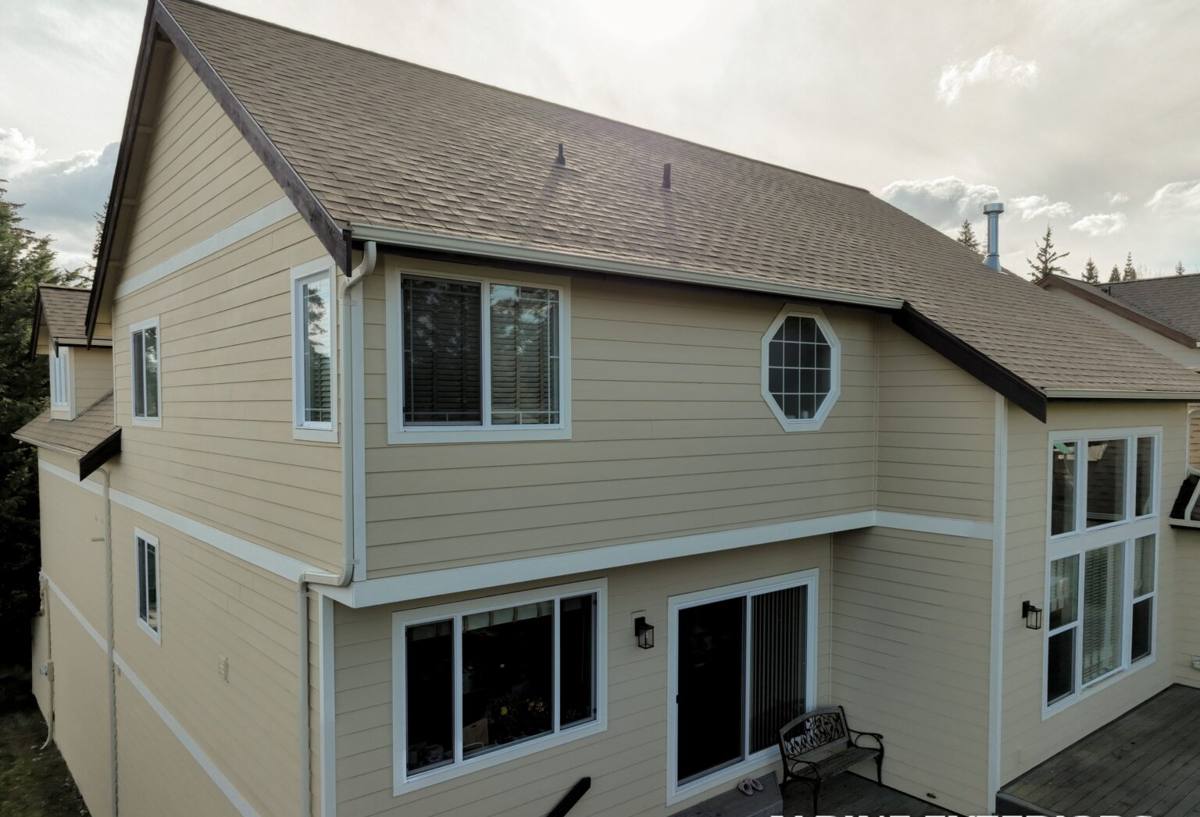
What Makes Island Estates Different From a Typical Clearwater Home
Every home in Pinellas County deals with heat, humidity, and the occasional tropical system. Waterfront homes deal with all of that plus a few things that are specific to being surrounded by open water on multiple sides:
- Concentrated salt air exposure — being close to open water means salt-laden air reaches the home from more directions, more of the time, accelerating corrosion on hardware, screens, and lower-quality frame materials.
- Higher, more consistent wind loading — with less surrounding structure to break up wind, gusts (and especially hurricane-force wind) hit these homes with less resistance than a comparable house set back from the water.
- Wind-driven rain — during storms, rain doesn't just fall, it's pushed sideways into window frames and seams. Weak flashing or aging sealant that would hold up fine in a light rain will leak under wind-driven conditions.
- Intense, near-constant UV — reflected sun off open water adds to the direct UV load, which breaks down vinyl, weatherstripping, and low-grade glazing seals faster than in shaded, inland settings.
None of this means Island Estates homes need something exotic. It means they need windows and an installation that were actually specified for coastal, high-wind conditions — not general-purpose windows installed the same way they'd be installed anywhere else in the county.
What a Correct Window Replacement Job Involves Here
The Window Itself
For a home this exposed, the glass and frame need to be rated for the wind pressures and wind-borne debris requirements that apply to coastal Pinellas County under the Florida Building Code. That generally means impact-rated glazing or a code-compliant protection system, frame materials that resist salt-air corrosion, and hardware that's rated for coastal use rather than standard interior-grade fasteners and locks.
The Installation
Most window failures we see on waterfront homes aren't glass failures — they're installation failures. Water finds its way in around a poorly flashed opening long before it ever gets through the glass itself. A correct installation includes:
- Removing old windows without damaging the surrounding stucco, siding, or framing
- Inspecting the rough opening for existing water damage or rot before anything new goes in
- Installing proper flashing and a continuous weather-resistant barrier around the opening
- Sealing with sealants and backer rod rated for exterior, high-UV, coastal exposure — not general-purpose caulk
- Fastening according to the window's tested and approved installation instructions, not a generic pattern
- Verifying the finished opening sheds water correctly before trim and finish work close it up
Skip any one of these steps and the window can look fine for a year or two before a leak shows up — usually after the first serious storm.
Choosing Frame Material for a Waterfront Lot
Frame material matters more here than in most parts of Clearwater because of how much salt air the home is exposed to. Here's how the common options hold up in that environment:
| Frame Material | Salt Air Performance | Maintenance | Notes for Island Estates |
|---|---|---|---|
| Vinyl | Good — doesn't corrode | Low; occasional cleaning | Look for UV-stabilized formulations; cheaper vinyl can chalk and weaken faster under this much sun |
| Aluminum | Fair — can corrode without proper coating | Moderate; coating should be inspected periodically | Marine-grade coatings hold up much better than standard mill finish near the water |
| Fiberglass | Very good — highly resistant to corrosion and UV | Low | Higher upfront cost, but holds dimensional stability well in heat and humidity swings |
| Wood (clad or unclad) | Poor without vigilant upkeep | High | We generally steer waterfront clients away from unclad wood on exposed elevations — moisture and salt air are a difficult combination to keep ahead of long-term |
There's no single "right" answer for every home — it depends on the home's style, budget, and how exposed a particular elevation is to wind and water. Part of our estimate is walking through those trade-offs honestly rather than pushing one product line regardless of fit.
Signs Your Windows Need Replacing, Not Just Repair
Not every issue means a full replacement. But on a waterfront home, these are the signs worth taking seriously:
- Fogging or condensation between panes of double-pane glass (a failed seal that can't be repaired)
- Soft spots, discoloration, or bubbling paint on the wall or trim around a window frame
- Windows that are difficult to open, close, or lock — often a sign the frame has shifted or corroded
- Visible daylight or a noticeable draft around the frame when the window is shut
- Chalky, pitted, or corroded frames and hardware, especially on elevations facing open water
- Noticeably higher cooling bills without another clear explanation
- Any window that wasn't installed to current impact standards and hasn't been evaluated since the last major building code update
If you're only seeing one or two of these on a single window, a repair may be enough. If it's showing up across multiple windows or on the water-facing side of the house, that's usually a sign the whole window is at or past the end of its useful life.
Our Process for an Island Estates Window Replacement
1. On-Site Assessment
We walk the home in person, look at every window being considered, and check the condition of the surrounding framing and wall assembly — not just the glass. Waterfront homes sometimes have hidden moisture issues that only show up once an opening is exposed.
2. Honest Product Recommendation
Based on which elevation faces open water, how much direct sun the home gets, and your budget, we'll recommend frame materials and glazing that fit the home — explaining the trade-offs in plain terms rather than defaulting to whatever's easiest to sell.
3. Permitting
Window replacement on a home like this requires a permit through the appropriate local building authority, with the installation meeting current Florida Building Code wind and impact requirements for the property's location. We handle pulling permits and coordinating inspections as part of the job — it's not an optional step, and it protects you at resale and with your insurance carrier.
4. Installation
Our crews follow the manufacturer's tested installation method for each window, with particular attention to flashing and sealing given how much wind-driven rain this location can see. We protect landscaping and interior spaces during removal and cleanup as we go.
5. Final Walkthrough and Inspection
Once installed, we walk the finished work with you, confirm every window operates correctly, and make sure the job passes final inspection before we consider it done.
Why Hiring a Crew That Already Works This Island Matters
Window replacement isn't the same job everywhere in Pinellas County, and a crew that mostly works inland neighborhoods may not think through the details that matter on a waterfront lot — corrosion-resistant fastener selection, how a specific elevation catches wind, or how much additional sealing attention a water-facing opening needs. A contractor who's worked homes on Island Estates before has already seen how salt air, sun, and wind interact with different products here, and adjusts the approach accordingly instead of treating every job identically.
It also matters for something less obvious: timeline and availability around storm season. Homes on the water are often first to schedule protective measures ahead of a storm and first to need repairs after one. A contractor familiar with the area's rhythm plans around that instead of being caught off guard by it.
A Note on Cost
Costs for window replacement vary widely based on window size, frame material, glazing type (standard versus impact-rated), the number of openings, and the condition of the existing framing once it's exposed. Rather than quote a number that doesn't reflect your specific home, we provide a written estimate after seeing the windows in person — that's the only way to give you a figure you can actually rely on.
If your Island Estates home is due for new windows, we're happy to take a look and give you a straightforward, no-pressure estimate — use the form below to get started.