 Clearwater Window
 Why Island Estates Siding Work Is Its Own Category
Island Estates sits on the water, and that changes what "good siding" means. A home a few miles inland in Pinellas County deals with heat and summer storms. A home on Island Estates deals with all of that plus near-constant salt air, higher wind exposure with less tree and building buffer, and reflected UV and glare off open water. Siding that would hold up fine on a shaded inland lot can fail years early out here — chalking, fastener corrosion, panel warping, and paint failure all show up faster this close to the Intracoastal.
We don't treat Island Estates as a generic Clearwater address. Waterfront and island properties get a different set of install details — fastener spec, flashing, and product selection — because the exposure is genuinely harsher. This page covers what that means in practice and what a correctly installed siding job looks like out here.
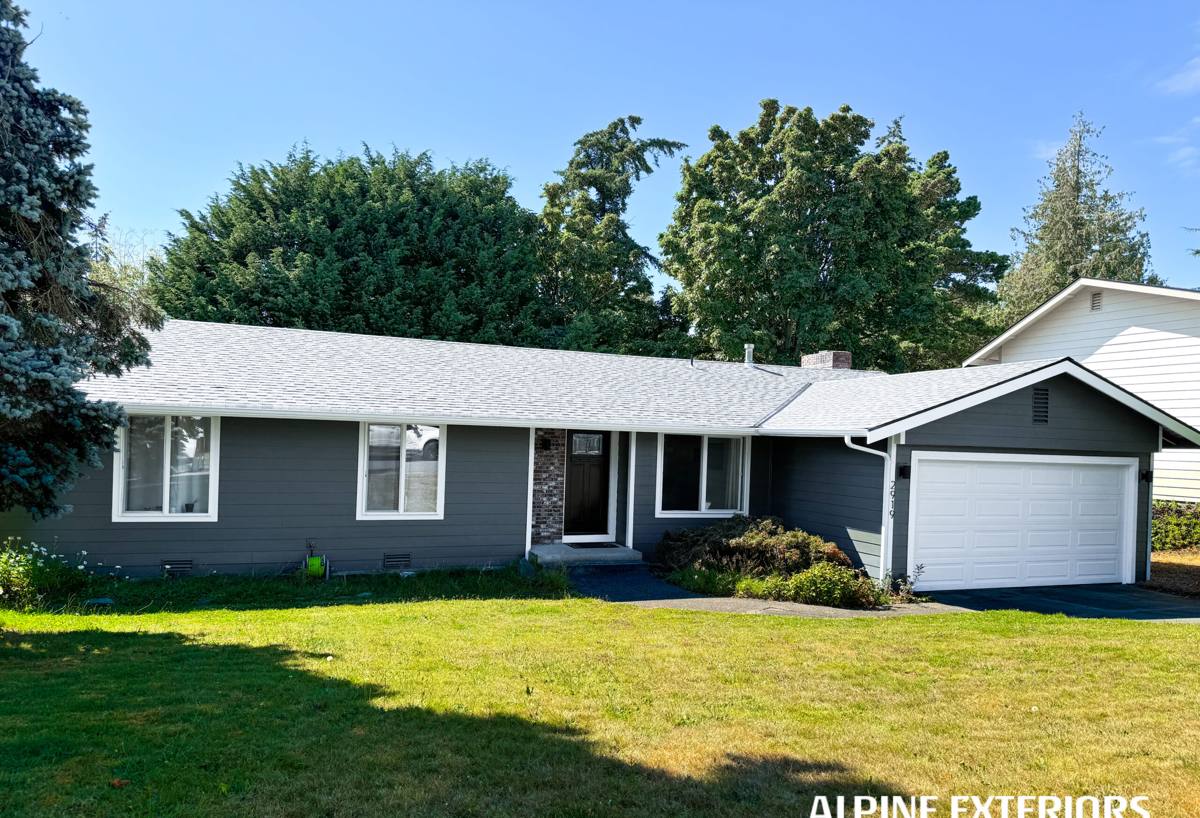
What Salt Air, Wind, and UV Actually Do to Siding
Salt Air
Airborne salt is corrosive to metal and slowly degrades many building materials. On a waterfront lot, salt-laden air settles on siding, trim, and fasteners around the clock, not just during a storm. Over years, this accelerates corrosion of exposed metal fasteners and hardware, and it can dull or discolor lower-quality finishes faster than the same product would fade a mile or two inland.
Wind
Island and waterfront lots typically have less wind buffering than an inland neighborhood surrounded by other homes and mature trees. That means more direct wind-driven rain against the wall assembly and more mechanical stress on siding panels and their fasteners during tropical storms and hurricanes. Fastening pattern, nail penetration, and panel-to-panel joints matter more here than on a sheltered lot.
UV and Heat
Florida sun is intense year-round, and open water reflects additional UV and heat back onto a home's exterior. This accelerates fading, chalking, and embrittlement in lower-grade siding materials and factory finishes not engineered for this level of sun exposure.
Wind-Driven Rain and Moisture
Combine wind and rain and you get water pushed sideways into seams, laps, and penetrations that would stay dry in a calmer climate. Correct water management behind the siding — house wrap, flashing, and proper laps — is not optional detailing here; it's the difference between a wall assembly that stays dry and one that doesn't.
Why We Install Only James Hardie Fiber Cement
We standardized on James Hardie fiber cement siding for every home we work on, including Island Estates, and we don't install vinyl, LP SmartSide, or other fiber cement brands. That's a deliberate professional standard, not a sales pitch, and it matters more here than in a typical inland neighborhood.
- Non-combustible material — fiber cement doesn't feed a fire the way some engineered wood products can.
- Climate-engineered product lines — Hardie makes HZ10 and HZ5 formulations specifically for humid, high-UV, coastal climates like the Florida Gulf Coast, with moisture and mold resistance built into the substrate.
- Factory-applied ColorPlus finish — baked-on, UV-cured color that resists the fading and chalking that plagues field-painted or lower-grade factory finishes in intense sun.
- Dimensional stability — fiber cement doesn't expand, contract, or warp with heat and humidity swings the way vinyl and some wood-composite products can, which matters on a lot that gets full sun exposure off the water most of the day.
- Strong transferable warranty — backed by a manufacturer with a long track record specifically in coastal and hurricane-prone markets.
Vinyl siding is a legitimate, widely used product, and it has real advantages — low upfront cost and low maintenance chief among them. But in direct waterfront sun and salt exposure, vinyl is more prone to heat warping, and its wind ratings generally trail fiber cement. LP SmartSide and other wood-based composites can perform well when detailed perfectly, but they depend heavily on caulking, paint maintenance, and moisture management staying intact for decades — a higher-risk bet in a climate that punishes any gap in upkeep. We'd rather put one product on every home, do it right every time, and stand behind it, than manage the trade-offs of several.
What a Correct Siding Installation Actually Involves
The siding panel itself is only part of the job. Most siding failures we get called to inspect — on any brand — trace back to installation shortcuts, not the material. On a waterfront lot, the margin for error is smaller.
Water Management Behind the Siding
A code-compliant weather-resistant barrier, correctly lapped and taped, goes on before any siding. Flashing at windows, doors, and any wall penetration directs water out and away from the sheathing, not behind the siding.
Fastening
Hardie specifies fastener type, length, and placement by product and application. In high-wind zones like coastal Pinellas County, corrosion-resistant fasteners and correct nailing patterns are what keep panels attached through tropical-storm-force gusts — this is not a place to use shorter nails or wider spacing to save time.
Clearances and Gaps
Siding needs proper clearance from the roofline, grade, decks, and other trim so water can drain and the material isn't sitting in standing moisture. This is one of the most commonly skipped details in rushed installs.
Joints and Caulking
Butt joints, corners, and penetrations need to be detailed to shed wind-driven rain, not just look sealed. Caulk is a finishing detail, not a substitute for correct flashing and lap sequencing.
Our Process for Island Estates Projects
- On-site assessment — we walk the exterior, check the current siding and substrate condition, and note the home's specific wind and moisture exposure.
- Tear-off and substrate check — old siding comes off and we inspect sheathing for hidden moisture damage before anything new goes on, since covering a damaged substrate just hides a bigger problem.
- Repair as needed — any compromised sheathing or framing gets addressed before the weather barrier goes on.
- House wrap and flashing — installed and lapped correctly at every seam, window, door, and penetration.
- Hardie panel installation — installed to manufacturer fastening and clearance specs for our wind zone.
- Trim, joints, and final detailing — corners, caulking, and touch-up to manufacturer finish standards.
- Final walkthrough — we go over the finished work with the homeowner before calling the job done.
Signs Your Island Estates Home May Need New Siding
- Visible warping, buckling, or gaps between panels
- Soft spots or give when you press on the siding
- Paint or finish that's chalking, peeling, or badly faded
- Rust streaks around fasteners or trim
- Rising utility bills with no other explanation, which can point to a failing wall assembly
- Interior signs — musty smells, peeling interior paint, or staining on walls that share an exterior wall
- Visible mold or mildew that keeps returning after cleaning
Any one of these on its own isn't necessarily an emergency, but on a waterfront lot they tend to progress faster than homeowners expect. Catching them early keeps a siding project a planned replacement instead of an urgent repair.
Cost Factors for a Waterfront Siding Project
Every home is different, and we give exact numbers only after seeing the property in person, but these are the main factors that move the price on an Island Estates job:
| Factor | Why It Matters |
|---|---|
| Home size and wall complexity | More square footage, corners, and architectural detail mean more material and labor |
| Substrate condition | Hidden moisture damage found during tear-off can require sheathing repair before new siding goes on |
| Siding profile and accessories | Lap width, trim style, and accessory boards affect material cost |
| Access and site conditions | Waterfront lots can have tighter access, seawalls, or landscaping that affect staging and labor |
| Existing siding removal | Full tear-off costs more than installing over a prepared surface, but is usually the right call on an older home |
| Color and finish | Factory ColorPlus finishes and custom colors carry different pricing than standard primed panels |
Why Local Experience on Island Estates Matters
A crew that mostly works inland neighborhoods may not think twice about fastener corrosion resistance or wind-driven rain detailing, because they rarely need to. A crew that regularly works waterfront and island properties in Clearwater builds those details into every project by default, not as an upcharge or afterthought. That experience shows up in things a homeowner won't see once the job is finished — the flashing behind the panels, the fastener spec, the clearance at grade — which is exactly where the most expensive failures start.
It also shows up in permitting and code awareness. Pinellas County's coastal and wind-borne debris requirements apply to exterior work, and a contractor who works this area regularly already knows how those requirements affect a siding project, rather than learning it on your job.
Caring for Your Siding After Installation
James Hardie siding is low-maintenance, not no-maintenance, and a little upkeep goes further on a waterfront home than an inland one.
- Rinse the exterior periodically to clear salt residue, especially after storms
- Keep sprinklers and irrigation from spraying directly on siding, which accelerates mineral buildup
- Trim vegetation back so it isn't holding moisture against the wall
- Have caulking and trim joints checked periodically, since these are the first place wind-driven rain can find a way in
- Address any impact damage or chips promptly rather than letting them sit exposed
If you're seeing wear on your current siding or you're planning ahead for a replacement, we're happy to come take a look and walk you through what your home specifically needs. There's no pressure and no obligation — just an honest assessment and a straightforward estimate.