 Clearwater Window
 Oldsmar sits on the Pinellas County side of Tampa Bay, close enough to Clearwater that homes here see the same climate demands: hurricane-force wind events, intense year-round UV, wind-driven rain, and salt air that doesn't stay confined to the immediate waterfront. Windows take more of that punishment than almost any other part of a house, because every window is a seam in the building envelope — moving hardware, glazing seals, and a frame-to-wall connection that either sheds water correctly or doesn't. When a window in an Oldsmar home starts failing, it's rarely one single cause. It's usually years of sun, storms, and salt-laden air working on a unit that was never built or installed to hold up to this specific climate in the first place.
Why Window Replacement Comes Up So Often in Oldsmar
A lot of the housing stock in this part of Pinellas County was built before Florida adopted its current statewide building code in the early 2000s, back when window requirements were far less strict than they are today. Aluminum-framed single-pane windows and early-generation vinyl sliders were standard in that era, and neither was designed with hurricane-force wind loads or year-round subtropical UV in mind. Those original windows have now had decades to absorb sun exposure, storm cycles, and humidity swings, and a lot of them are past the point where sealant, hardware repair, or a reglaze does much good.
On top of age, Oldsmar's mix of established single-family neighborhoods and homes near the water means exposure varies a fair amount house to house. A window on a shaded, sheltered elevation might still be functioning reasonably well after twenty-five years, while an identical window on a sun-facing or wind-exposed wall of the same house is often failing years earlier. That's normal, and it's one of the first things we look at when we walk a property — not every window on an Oldsmar home needs replacing on the same timeline, even when they were all installed at once.
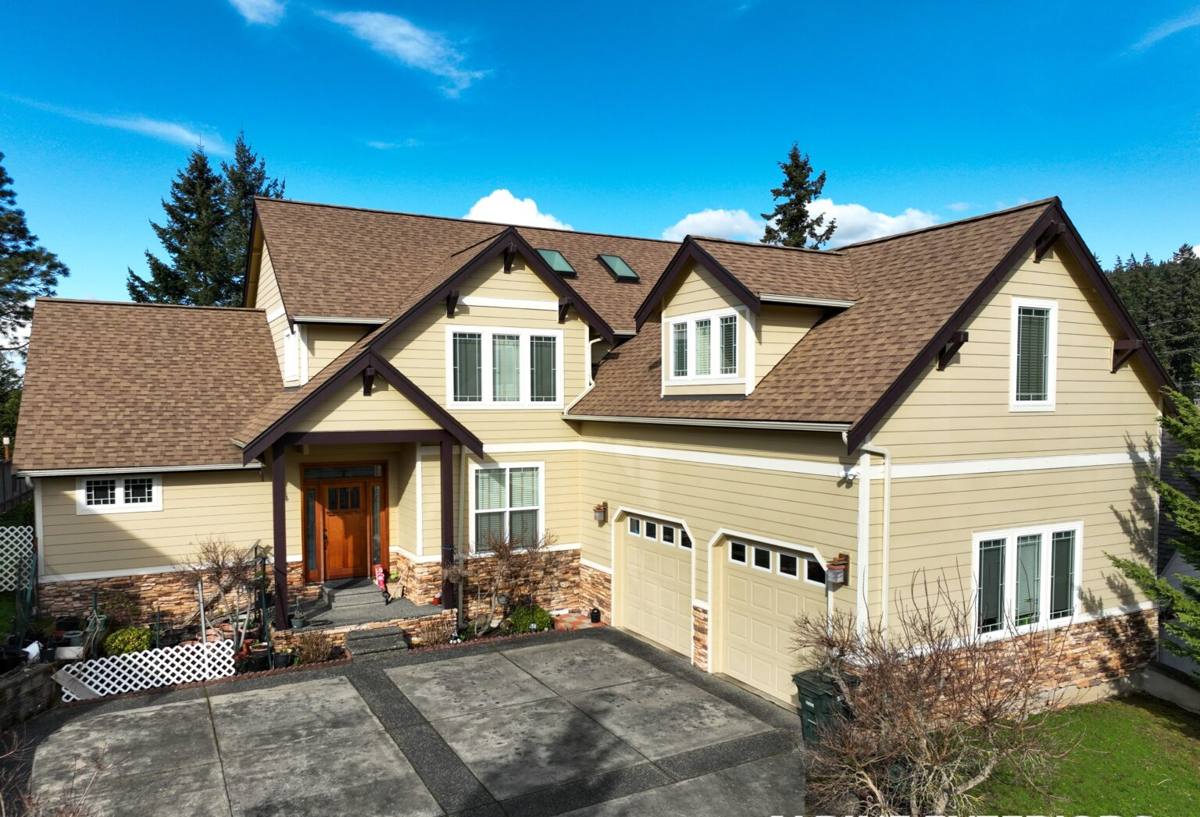
What Pinellas County's Climate Does to Windows Over Time
Hurricane-Force Wind Loads
Wind is the most demanding thing a window in this area has to survive. During a tropical storm or hurricane, wind pressure pushes and pulls on glass and frame at once, and airborne debris can turn a minor pressure event into a broken pane in seconds. Older windows built to lighter, pre-modern-code standards simply weren't engineered for the wind speeds Pinellas County plans for today, which is why so many replacement conversations here start with a homeowner who wants better storm protection, not just a better-looking window.
Intense, Year-Round UV
Florida sun is a constant, not a seasonal event. Continuous UV exposure breaks down vinyl, weatherstripping, and sealants faster here than almost anywhere else in the country, and it shows up as chalking, brittleness, and hardware that gets stiff or fails years before it should. Lower-grade frame materials and finishes that would hold up fine in a milder climate simply don't get the same lifespan in Oldsmar.
Wind-Driven Rain
Florida storms rarely fall straight down. Wind pushes rain sideways into wall assemblies, reaching gaps and seams a calmer climate would never test. For a window, that means the flashing and sealant around the frame have to actually perform, not just look finished on installation day — because wind-driven rain will find any shortcut in that detail eventually.
Salt Air and Corrosion
Oldsmar's position on Tampa Bay means salt-laden air is a real factor even for homes that aren't directly waterfront. Salt air accelerates corrosion on window hardware, fasteners, and any frame component that isn't rated for coastal exposure. It's a slower process than wind or UV damage, but it's steady, and it's often what causes locks, cranks, and rollers to fail well before the glass or frame itself gives out.
Signs an Oldsmar Home Is Ready for Window Replacement
Some of these show up gradually, and homeowners often adjust to them without realizing how much has changed since the windows were new.
- Visible fog or moisture trapped between the panes of a double-pane window
- Windows that are hard to open, close, or lock, or that no longer latch securely
- Noticeable drafts or a hot/cold spot near a window even when it's fully closed
- Frames that feel soft, chalky, pitted, or visibly corroded, especially aluminum units
- Rising cooling bills with no other explanation, especially on sun-facing rooms
- Visible daylight, gaps, or old caulk doing the job flashing should be doing
- Any window that isn't rated for current wind and impact requirements
Repair or Replace? How We Make the Call
Not every window that's showing its age needs to come out. A unit with a sound frame and working hardware but a failed seal is often a reasonable repair. A unit with corroded frame components, chronic leaks, or hardware that's been failing for years usually isn't — at that point, repeated repairs add up to more than a proper replacement would have cost.
| Condition | Repair Often Makes Sense | Replacement Usually Makes Sense |
|---|---|---|
| Fogged glass, sound frame and hardware | Yes — reglaze or seal replacement | Only if the frame is also compromised |
| Stiff, corroded, or broken hardware | Yes, if isolated to hardware alone | If corrosion has spread to the frame |
| Non-impact-rated window in a storm-exposed area | Not a real long-term fix | Yes, especially ahead of hurricane season |
| Persistent drafts or water intrusion | Sometimes, if flashing is the actual cause | Yes, if the unit itself is the source |
| Original single-pane or early-generation aluminum unit | Rarely worth it long-term | Yes, for real storm and energy performance gains |
What Code Requires — and Why It Isn't Optional
Pinellas County sits in Florida's wind-borne debris region under the Florida Building Code, which means most window replacements here have to meet specific wind-pressure and impact-resistance standards, not just whatever a homeowner prefers aesthetically. In practice, that means either impact-rated glazing capable of resisting windborne debris, or code-compliant shutters paired with standard glazing. A window replacement in Oldsmar also generally requires a permit and inspection, since it's a life-safety and structural item, not a cosmetic upgrade. We handle that process as a normal part of the job rather than something a homeowner has to chase down separately, and we won't install a window that doesn't meet the rating the property actually requires, even if a cheaper non-rated option is tempting.
What a Correct Window Replacement Job Involves
Removal and Opening Inspection
The old window comes out carefully, and the opening gets inspected before anything new goes in. This is where hidden problems tend to surface — rotted framing behind an old aluminum unit, corroded anchors, or flashing that was never installed correctly the first time. Any of that gets addressed before the new window is set, because installing a good window into a compromised opening just moves the failure point.
Selecting the Right Window for the Opening
We match the window to what the opening and the property's exposure actually require — wind and impact rating, size, and frame material — rather than defaulting to one product for every job. A window on a sheltered, shaded wall doesn't need the identical spec as one facing open wind on a waterfront lot, even on the same street.
Anchoring and Structural Attachment
A window's wind-pressure rating only means something if it's anchored the way the manufacturer and code require. That includes the right fastener type, spacing, and embedment into structurally sound framing — not just enough screws to hold the unit in place during installation.
Flashing and Weatherproofing
This is the step that decides whether a window stays dry through Florida's wet season or starts leaking within a year or two. Flashing has to lap correctly with the wall's weather-resistive barrier and siding, directing water out and away from the opening instead of trapping it behind the trim. Caulk plays a supporting role here, not the leading one — it's a supplement to correct flashing, never a substitute for it.
Permitting and Inspection
Because window replacement in a wind-borne debris region is a permitted structural change, the finished work gets inspected against code, and we handle that scheduling as part of the job. It's a useful check for the homeowner too — an independent confirmation that the installation meets the standard the property is required to meet.
A Quick Checklist Before You Sign a Window Contract
- Confirm the wind-pressure and impact rating specified actually matches what your property requires
- Ask whether the price includes permitting and inspection, or if that's billed separately
- Get a written scope that separates the manufacturer's product warranty from the installer's workmanship warranty
- Ask how they handle flashing integration with your existing siding, not just which window brand they sell
- Confirm current Florida contractor licensing and active liability insurance
- Get a realistic lead time in writing, since impact-rated windows are often built to order
Frame and Glass Options for This Climate
There's no single "best" window for every Oldsmar home — the right choice depends on exposure, budget, and how the rest of the exterior is built. We'll walk through the honest trade-offs for your specific property rather than pushing one option across the board.
| Option | Strengths | Trade-Offs |
|---|---|---|
| Vinyl frame, impact-rated laminated glass | Strong value, low maintenance, widely available in code-compliant configurations | Frame color options are more limited than fiberglass |
| Fiberglass frame, impact-rated laminated glass | Very stable through heat and UV exposure, can be painted | Higher upfront cost than vinyl |
| Aluminum frame, impact-rated laminated glass | Slim sightlines, strong structurally for larger openings | Conducts heat more than vinyl or fiberglass; needs a coastal-rated finish to resist corrosion |
| Standard (non-impact) glass with code-compliant shutters | Lower window cost upfront | Shutters must be deployed before every storm; doesn't help with daily UV and noise reduction the way laminated glass does |
What Drives the Cost of a Window Replacement Project
We won't quote a number without seeing the property, but the factors that move price are consistent from job to job.
| Factor | Why It Matters |
|---|---|
| Number of windows | A full-house project typically has better per-unit pricing than replacing one or two windows at a time |
| Impact rating | Laminated impact glass and reinforced framing cost more than non-rated equivalents, but reduce or eliminate the need for shutters |
| Window size and configuration | Larger units and features like sliders or picture windows cost more to manufacture and install than standard casements or single-hungs |
| Opening condition | Rotted framing, corroded anchors, or old flashing failures found during removal add repair work before the new unit goes in |
| Frame material | Vinyl, fiberglass, and aluminum carry different material and installation costs |
| Permitting complexity | Larger projects or homes with unusual openings can involve more time at the permitting stage |
Our Process, Start to Finish
- On-site assessment — we look at each window individually, check frame and hardware condition, and evaluate the exposure of each elevation
- Honest repair-or-replace recommendation — window by window, not a blanket answer for the whole house
- Product selection — matched to the wind and impact rating your property requires, with real trade-offs explained upfront
- Permitting — we pull the required permit and handle scheduling with the local building department
- Removal and opening prep — old units come out carefully, and any hidden rot, corrosion, or flashing issues get addressed first
- Installation and anchoring — new units are set, shimmed, and anchored to meet the wind-load requirements they're rated for
- Flashing and finish — flashing is sequenced to shed water correctly, and trim is finished to match the surrounding exterior
- Final inspection — the completed work is inspected against code before the job is considered closed
Why a Crew That Already Works Oldsmar Matters
Manufacturer installation guides are written for average conditions, not for a specific property on Tampa Bay dealing with hurricane-force wind events, sustained subtropical UV, wind-driven rain, and salt air all at once. A crew that regularly works Oldsmar and the rest of Pinellas County already knows which details in that guidance are non-negotiable here — how much lap a flashing course needs, which hardware grade actually holds up against salt air, and where a shortcut that might pass in a milder climate will show up as a leak or a corroded lock within a few years in this one. That local experience also means fewer surprises with permitting timelines and inspection requirements specific to this area, and a realistic sense of how exposure varies from one part of Oldsmar to another.
It also means straight answers instead of a sales pitch built around whatever product moves fastest. If a window can be reasonably repaired instead of replaced, we'll say so. If a lower-cost, non-impact option paired with shutters is a legitimate fit for your budget and how you actually plan to use them, we'll lay out that trade-off honestly rather than defaulting to the most expensive spec on every job.
If your windows in Oldsmar are original to the house, showing their age, or you're just not sure whether they'd hold up in the next storm, it's worth having someone take a look before you start pricing options on your own. We offer free, no-pressure estimates for window replacement throughout Oldsmar and the rest of Pinellas County — use the form below to get a time on the schedule.