 Clearwater Window
 Windows Built for a Waterfront Neighborhood Like Island Estates
Island Estates sits surrounded by water, which is exactly what makes it such a desirable place to live — and exactly why the windows on these homes work harder than windows almost anywhere else in Pinellas County. Salt-laden air moves off the water and settles on glass, frames, and hardware every single day. Add in direct sun exposure for most of the year and the wind loads that come with any storm moving through the Tampa Bay area, and you have a combination that wears out ordinary windows faster than homeowners expect. This page is about one thing specifically: energy-efficient window replacement and installation for homes in Island Estates, done the way this location actually requires.
A lot of window contractors sell the same product and the same install everywhere in the region. We don't approach Island Estates that way. Waterfront and canal-front exposure changes what frame material makes sense, what glass package is worth paying for, and how the installation itself needs to be sealed and flashed. Get those details right and a window package can perform well for decades. Get them wrong and you're looking at fogged glass, swollen frames, or leaks within a few years — regardless of how good the window brand's marketing looked.
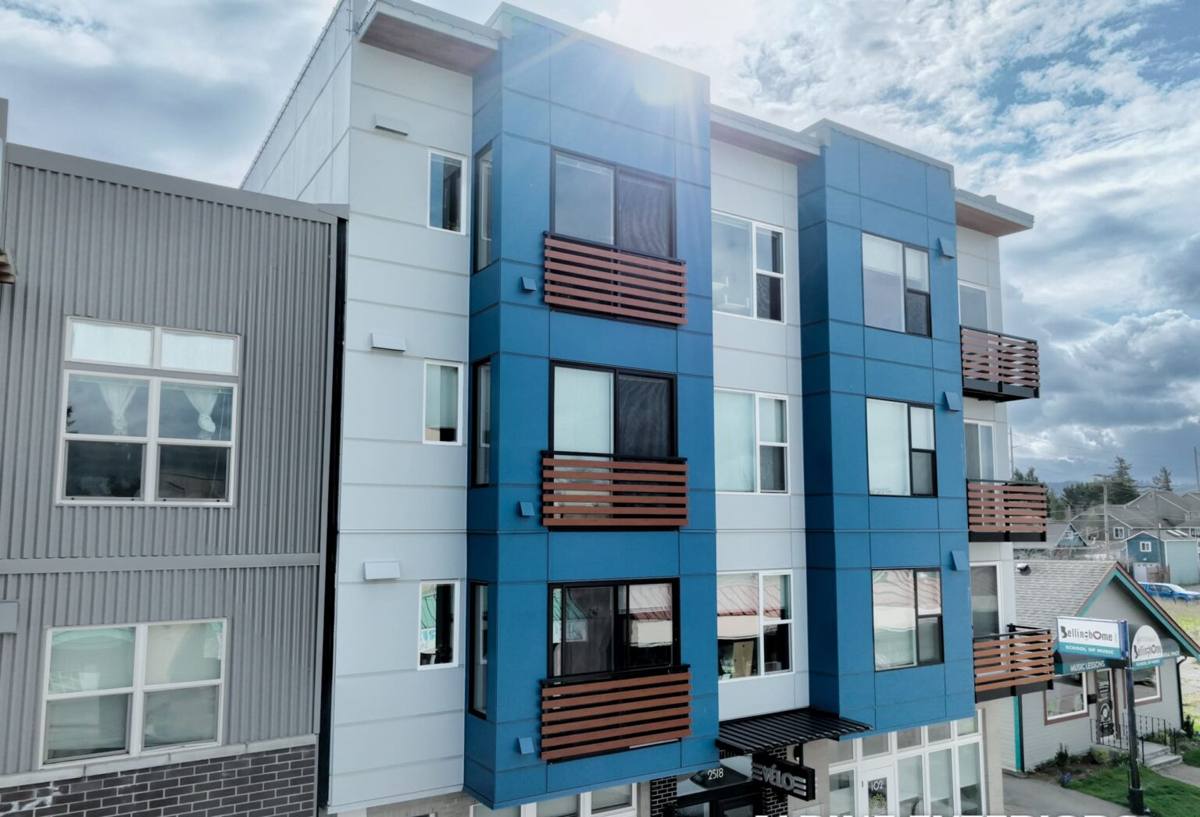
What Salt Air, Sun, and Coastal Wind Do to Windows Over Time
Four forces are constantly working against windows in this part of Clearwater, and they don't act alone — they compound each other.
- Salt air corrosion: Airborne salt settles on hardware, screens, and metal components. On lower-grade aluminum or unprotected steel parts, this shows up as pitting, corrosion, and hardware that starts sticking or seizing years before it should.
- UV exposure: Florida sun breaks down vinyl, weatherstripping, and seals faster than in most of the country. UV-degraded seals are one of the most common reasons older windows lose their energy efficiency long before the glass itself fails.
- Wind-driven rain: Storms here don't just bring wind — they push rain sideways into every gap in a window's flashing and sealant. A window that's watertight in a gentle rain can still leak in a wind-driven event if the installation wasn't detailed for it.
- Wind pressure cycling: Even without a direct hurricane hit, homes near the water experience frequent high-wind events that flex window frames and stress seals repeatedly over the years.
None of this means windows are a lost cause on the island — it means the product selection and installation detailing have to account for these conditions from the start, rather than treating this as a standard inland install.
What "Energy-Efficient" Should Actually Mean Here
Energy efficiency in a coastal Clearwater home isn't just about a sticker with an R-value on it. It's a combination of a few specific properties working together:
Low-E Coatings
Low-emissivity glass coatings reduce how much heat and UV radiation pass through the glass while still letting in visible light. On a home with heavy year-round sun exposure, a good Low-E package makes a real difference in how hard your air conditioning has to work, especially on west- and south-facing rooms.
U-Factor and SHGC
U-factor measures how well a window resists heat transfer — lower is better. Solar Heat Gain Coefficient (SHGC) measures how much solar heat the window lets in — for a Florida home, you generally want this on the lower end to keep interior spaces from overheating. Both numbers matter more here than they would in a milder climate.
Frame Performance
A great glass package installed in a frame that conducts heat, warps in the sun, or lets air infiltrate around the sash undermines the whole system. Frame material and quality of the weatherstripping matter as much as the glass itself.
Multi-Point Locking and a Tight Seal
A tight, well-adjusted lock mechanism keeps the sash compressed against the weatherstripping, which is what actually stops air and water infiltration day to day — not just during a storm.
Impact-Rated vs. Standard Energy-Efficient Glass
For Island Estates specifically, we steer most homeowners toward impact-rated glass rather than standard energy-efficient glass paired with separate shutters or panels. Here's the honest trade-off breakdown:
| Option | Pros | Trade-offs |
|---|---|---|
| Impact-rated windows | Laminated glass stays intact under debris impact and high wind pressure; no separate storm prep needed; strong energy performance from the laminate layer plus Low-E coating; often qualifies for insurance premium credits | Higher upfront cost than standard glass; heavier units require correctly rated frames and anchoring |
| Standard energy-efficient glass + shutters/panels | Lower window cost | Requires manual deployment before every storm; shutters do nothing for daily UV and noise reduction; added maintenance item; some HOAs restrict shutter appearance |
| Standard glass, no storm protection | Lowest cost | Does not meet code wind-borne debris requirements in most cases for this area; not something we install as a stand-alone solution here |
We're not going to tell you impact glass is required on every single opening in every situation — code requirements depend on your specific wind zone, exposure, and whether an opening is protected by other means. What we will tell you plainly: on a home this exposed to open water, the maintenance-free, always-on protection of impact glass is worth the conversation before you decide otherwise.
Frame Material: What Holds Up on the Water
| Frame Material | How It Performs Near the Water |
|---|---|
| Vinyl (quality, UV-stabilized) | Doesn't corrode from salt air, good insulator, but lower-grade vinyl can discolor or become brittle under years of intense sun — we only use UV-stabilized product for this reason |
| Aluminum | Strong and slim sightlines, but conducts heat and is more prone to salt-related corrosion unless it's a marine-grade or properly coated finish |
| Fiberglass | Very stable in heat and humidity, resists corrosion well, generally the strongest all-around performer for coastal exposure — typically the highest upfront cost of the three |
| Wood / wood-clad | We generally steer homeowners away from this near open water — the moisture and salt exposure creates an ongoing maintenance burden that most owners don't want to sign up for, regardless of how it looks initially |
Signs Your Island Estates Home Needs New Windows
- Condensation or fogging between the panes of double-pane glass — the seal has failed and the insulating gas is gone
- Windows that feel warm to the touch on the interior side during peak afternoon sun
- Rooms near the water side of the house that never seem to hold the AC temperature as well as the rest of the home
- Hardware that's stiff, corroded, or won't lock flush anymore
- Visible frame warping, discoloration, or chalking on vinyl frames
- Any sign of water staining below or around a window after a wind-driven rain event
- Noticeably higher road, boat, or outdoor noise coming through compared to when the windows were newer
How We Handle a Window Job on the Island
The process itself doesn't change dramatically from house to house, but the details we pay closest attention to do, given the location.
1. On-Site Assessment
We look at each opening individually — sun exposure, current frame condition, any existing water intrusion signs, and how close the opening is to direct salt spray or wind exposure. Not every window on a home needs the identical spec, though we usually recommend keeping the glass package consistent for even energy performance.
2. Product Selection and Permitting
We help you choose glass and frame specs that fit your budget and your actual exposure, then handle the permit process through the applicable local building department. Coastal wind zone requirements affect what's allowed here, and pulling the correct permit protects you if you ever sell the home or file an insurance claim.
3. Precise Measurement and Ordering
Replacement windows are ordered to the exact opening — this is not a stock-size product. Accurate measurement here prevents gaps that would otherwise need to be oversealed with caulk as a workaround.
4. Installation with Coastal-Grade Sealing and Flashing
This is where a lot of the long-term performance is actually decided. Proper flashing, correctly bedded sealant, and fasteners rated for the wind zone matter more here than almost anywhere else in Pinellas County. A window can be top-rated on paper and still fail early if it's installed with shortcuts.
5. Final Check and Walkthrough
We test operation, locking, and seal on every unit before we consider the job finished, and walk you through anything specific to maintaining that window package in a salt air environment.
What Drives the Cost on a Job Like This
| Factor | Why It Matters |
|---|---|
| Impact vs. standard glass | Impact-rated laminated glass costs more per unit than standard insulated glass, but eliminates separate storm protection costs |
| Frame material | Fiberglass generally costs more than vinyl; aluminum falls in between depending on the finish and coating |
| Number and size of openings | Larger openings and taller sliders or picture windows cost more per unit than standard-size double-hungs |
| Existing condition / retrofit vs. full-frame replacement | Full-frame replacement (removing down to the rough opening) costs more than an insert replacement but is sometimes the right call if there's underlying water damage |
| Permit and inspection requirements | Coastal wind zone permitting adds a line item but is not optional if you want the work to be code-compliant and insurable |
We're not going to throw out a number here that doesn't mean anything without seeing your actual windows — the honest answer is that pricing depends on the specifics above. That's what the estimate visit is for.
Why Local, Island-Specific Experience Actually Matters
A crew that regularly works Island Estates already knows what a canal-front or open-water-facing home in this part of Clearwater needs before they show up. That means fewer surprises during the permit process, product recommendations that are grounded in what actually holds up here rather than a generalized sales pitch, and installation detailing that accounts for salt exposure and wind-driven rain as a default — not an upcharge. It also means we're a known, findable local business if you ever have a warranty question or want a maintenance check a few years down the road, rather than a crew that drove in from outside the area for a one-time job.
Clearwater and Pinellas County as a whole deal with these same coastal conditions, but exposure on the water — like much of Island Estates has — pushes every one of these factors further. Treating this as a standard inland window job is how homeowners end up replacing windows again sooner than they should.
If you're weighing your options for energy-efficient or impact-rated windows on your Island Estates home, we're happy to walk the property, look at your specific openings, and give you a straightforward, no-pressure estimate — just fill out the form below.