 Clearwater Window
 Roof Repair Built for Island Estates Conditions
Island Estates sits close to the water, and that proximity shapes everything about how a roof ages here. Homes on or near the barrier islands and waterfront pockets of Clearwater take a different kind of beating than roofs a few miles inland. Salt-laden air corrodes fasteners and flashing faster, direct sun bakes shingles and membranes for most of the year, and when a storm rolls in off the Gulf, wind-driven rain finds every weak seam a roof has. Repairing a roof in this neighborhood means understanding that combination, not just patching what's visible from the ground.
We work on roofs throughout Pinellas County, and Island Estates gets a specific kind of attention because of its exposure. A repair that would hold up fine on an inland roof in a different climate can fail here within a season or two if it doesn't account for salt air and wind uplift. That's the standard we hold ourselves to on every job in this area.
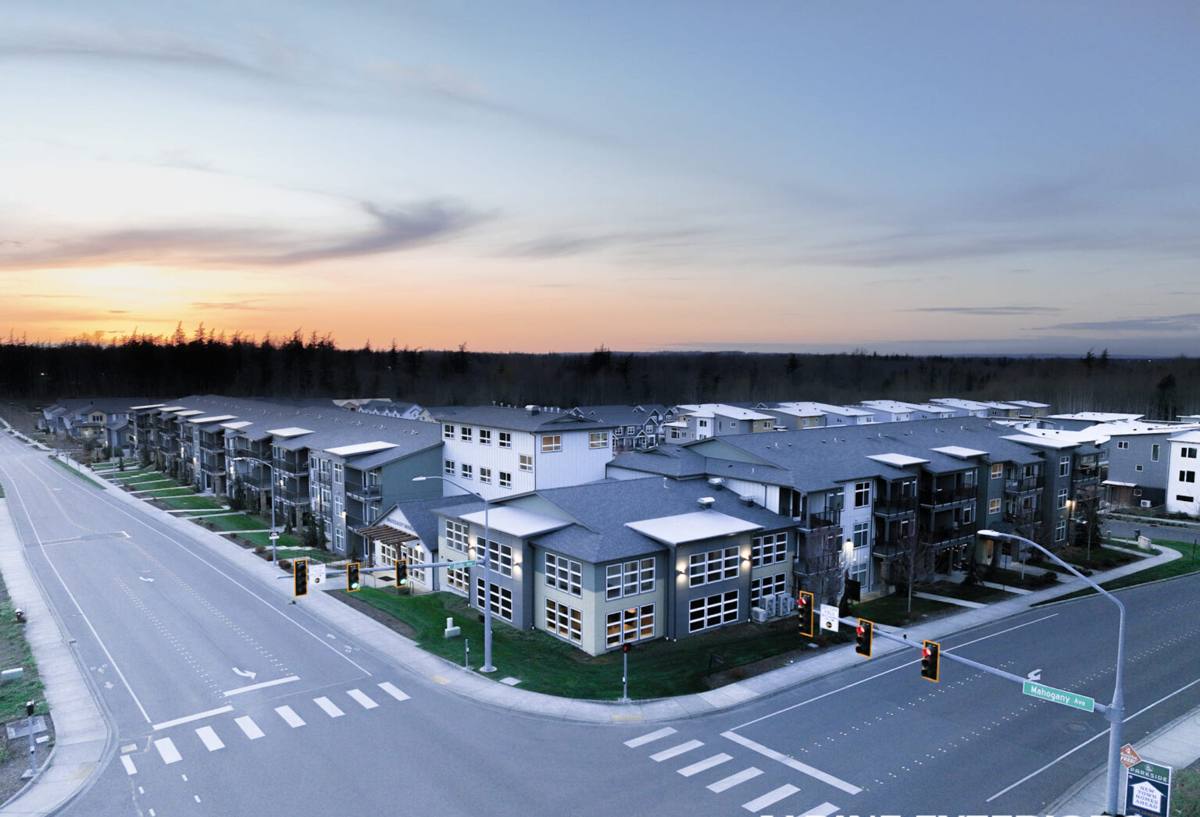
What Local Homes Actually Need From a Roof Repair
Salt Air and Metal Fasteners
Roofing nails, screws, flashing, and drip edge are usually the first things to fail near the water, well before the shingles or tiles themselves wear out. Standard galvanized fasteners can corrode faster in a salt-air environment, which loosens flashing and shingle tabs and opens the door to leaks. A proper repair uses corrosion-resistant fastener and flashing materials suited to coastal exposure, not whatever is cheapest at the supply house.
UV Exposure, Nearly Year-Round
Florida sun is intense for most of the calendar, and it doesn't let up the way it might in other climates. UV breaks down asphalt shingle granules and dries out sealants, and it can make tile underlayment brittle over time. A roof repair that ignores sun-damaged material nearby, and only patches the immediate problem spot, tends to need a second repair within a year or two.
Wind-Driven Rain
Most leaks we find in this area aren't from rain falling straight down — they're from wind pushing water sideways and upward, under shingle tabs, through nail holes, and into flashing laps that were never quite sealed right. A repair has to be evaluated with that in mind: does this fix hold when wind is driving rain uphill against it, not just when it's raining calmly?
Hurricane-Season Wind Uplift
Pinellas County sees real hurricane-force wind risk in season, and roofs here need repairs that are actually fastened and sealed to resist uplift, not just cosmetically patched. Loose ridge caps, under-nailed shingles, and unsealed tile can turn a minor issue into a major one the next time sustained wind hits the property.
Common Roof Repair Needs We See in Island Estates
- Flashing failure around chimneys, skylights, and roof-to-wall transitions — often the actual source of a "shingle leak"
- Cracked or lifted shingle tabs from sun-brittle sealant strips that never re-adhered after installation
- Corroded or backed-out fasteners along ridge caps and hip lines, common in salt-air exposure
- Cracked or slipped tiles on tile roofs, usually from foot traffic, debris impact, or age
- Soft or damaged decking discovered once a persistent leak is traced back to its source
- Clogged valleys and gutters that back water up under shingles during heavy rain
- Storm-lifted ridge caps and hip shingles after high-wind events
Some of these are quick fixes. Others are a sign that a section of roof, or the whole system, is past the point where patching makes sense. Part of an honest repair estimate is telling you which one you're dealing with.
What a Correct Roof Repair Actually Involves
Finding the Real Source, Not Just the Symptom
Water travels. A stain on a ceiling can show up several feet from where the water actually entered the roof, especially on a sloped or multi-plane roof. A repair that only addresses the spot above the stain, without tracing the path water actually takes, is a repair that's likely to fail again. We trace leaks back to their actual entry point before we start any repair work.
Matching Materials to What's Already There
A patch that doesn't match the existing shingle or tile profile, color, or fastening pattern doesn't just look wrong — it can behave differently in wind and rain than the surrounding roof. We match materials as closely as possible, and we tell you upfront when an exact match isn't available so there are no surprises.
Sealing for Coastal Wind, Not Just Water
A repair near the water needs to account for uplift, not only leaks. That means proper fastener patterns, sealed laps, and flashing that's mechanically secured, not just adhered with sealant that will bake and crack in the sun within a few summers.
Checking the Surrounding Area
If one section of roof has failed, nearby sections that are the same age and exposure are worth checking too. We look at what's around the immediate repair area so a homeowner isn't calling us back for the same problem six months later, one section over.
Repair vs. Replacement: How We Help You Decide
| Factor | Repair Usually Makes Sense | Replacement Worth Considering |
|---|---|---|
| Age of roof | Roof is well within its expected service life | Roof is at or past the age where materials broadly begin failing |
| Extent of damage | Isolated to one area, flashing, or a small section | Multiple areas failing independently across the roof |
| Decking condition | Decking is solid once exposed | Decking is soft, rotted, or delaminating in multiple spots |
| Granule loss / brittleness | Isolated to the repair area | Widespread across most of the roof surface |
| Storm history | Single, identifiable event caused the damage | Cumulative wind and UV damage from years of exposure |
We won't push a full replacement when a targeted repair will genuinely hold up. We also won't recommend a repair we don't think will last, just to make a smaller sale. You'll get a straight answer either way, along with the reasoning behind it.
Our Roof Repair Process
- Inspection. We get on or access the roof directly when it's safe to do so, and inspect the affected area along with adjacent sections, flashing points, and roof penetrations.
- Diagnosis. We trace the actual leak path or failure point, not just the visible symptom, and explain what we find in plain terms.
- Written estimate. You get a clear scope of work and price range before anything is repaired, including whether repair or replacement is the better call.
- Repair. We complete the work using materials suited to coastal exposure — corrosion-resistant fasteners, properly sealed flashing, and matched roofing material where possible.
- Final check. We confirm the repair holds under close inspection and walk you through what was done.
Why Hiring a Crew That Already Works Island Estates Matters
Roofing crews unfamiliar with coastal Pinellas County conditions sometimes repair a roof the same way they'd repair one in a drier, calmer inland climate — and it shows up as a repeat leak within a year or two. A crew that regularly works in and around Island Estates already accounts for salt air corrosion, near-constant UV exposure, and wind-driven rain in how they choose materials and where they focus attention during inspection.
Local experience also means faster, more accurate estimates. We're not guessing at how this climate treats a roof — we're seeing the same patterns of wear across similar homes in the area and applying that knowledge to your specific repair.
What to Check Before Hiring Anyone for Roof Repair
- Are they licensed and insured to work in Florida, and will they show you proof without hesitation?
- Do they inspect the full roof and surrounding area, or just the one visible spot?
- Do they explain why a repair failed in the first place, not just what they'll do to fix it?
- Do they give you a written estimate before starting any work?
- Do they use fasteners and flashing suited to coastal salt-air exposure, or standard inland materials?
- Will they tell you honestly if repair isn't the right call, even if replacement is a bigger job for them?
A roof repair is only as good as the diagnosis behind it. Take the time to ask these questions before anyone gets on your roof.
Get a Free, No-Pressure Roof Repair Estimate
If you're dealing with a leak, storm damage, or a roof that needs attention in Island Estates, we're happy to take a look and give you a straight answer — repair or replacement, with reasoning you can actually use. Fill out the form below for a free estimate, and we'll walk you through exactly what we find, with no pressure either way.