 Clearwater Window
 Building Decks for Island Estates' Waterfront Homes
Island Estates sits differently than most Clearwater neighborhoods. It's a waterfront community, much of it canal-front or bay-adjacent, which means the homes here face a heavier dose of everything that wears a deck down: salt-laden air, direct sun off open water, and wind that has nothing to slow it down before it hits your property. A deck built for an inland Pinellas County lot with the same materials and the same fastener schedule will not hold up the same way here. It needs to be built for this specific exposure from the ground up.
We build and rebuild decks for homeowners throughout Clearwater, and Island Estates jobs get treated differently than the rest of our schedule — different fastener spec, different framing hardware, different finish recommendations. This page covers what that actually means in practice, so you know what to expect and what to ask for whether you hire us or someone else.
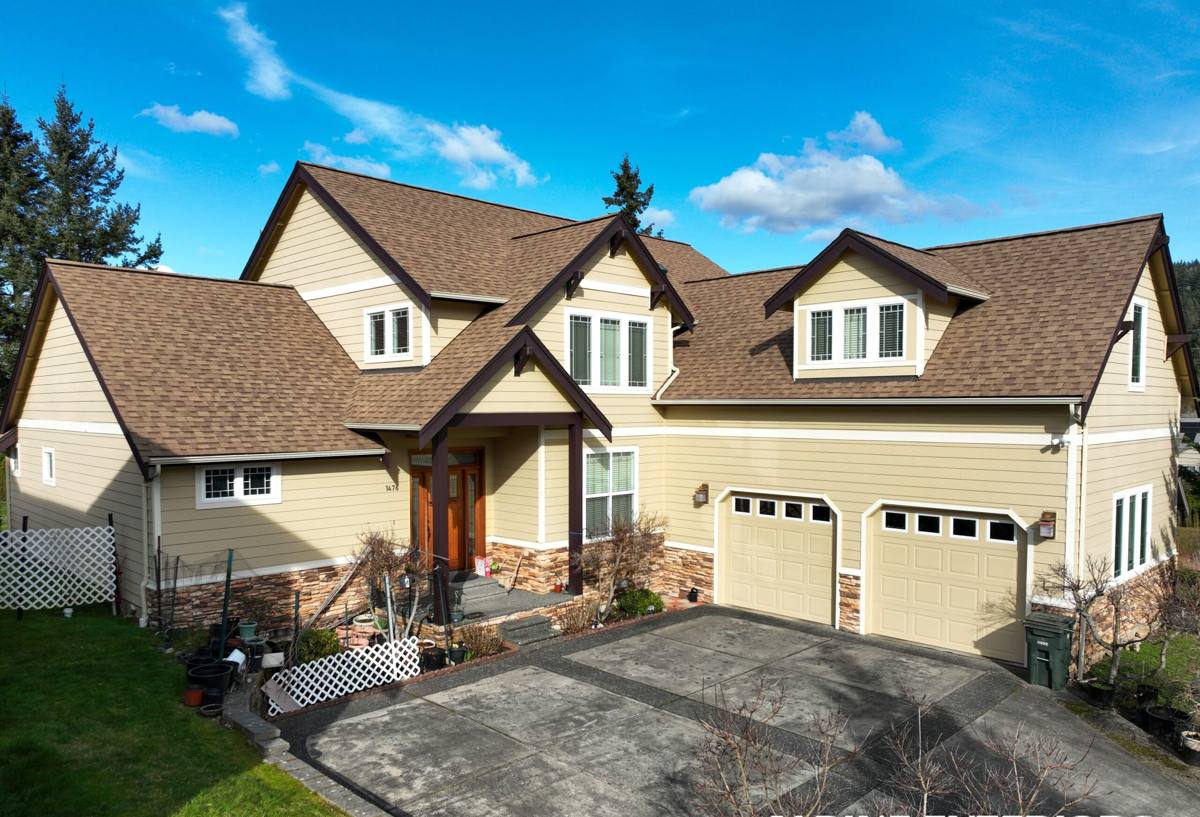
What Clearwater's Climate Does to a Deck
Four things do most of the damage to decks on the water side of Clearwater, and Island Estates gets all four at once:
- Hurricane-force wind: Gulf Coast storms bring sustained high winds and gusts that stress railings, ledger connections, and any structure not properly anchored to the house and footings.
- Year-round UV: Florida sun is intense nearly every month of the year, not just summer. UV breaks down wood fibers, fades composite color, and degrades sealants faster than in northern climates.
- Wind-driven rain: Storms here don't just drop rain, they push it sideways into fastener heads, board gaps, and ledger flashing — the exact spots where water intrusion starts rot and hidden structural damage.
- Salt air: Waterfront exposure means airborne salt settles on every surface. It's the single biggest reason standard hardware fails early in Island Estates specifically, compared to decks built a mile or two inland.
None of this means a deck can't hold up well here for decades. It means the build has to account for these conditions instead of using a generic spec and hoping.
Material Choices That Make Sense for This Exposure
There's no single "best" decking material for every home — it depends on your budget, how much upkeep you want to do, and how close you are to the water. Here's how the common options actually perform under Island Estates conditions:
| Material | Salt air performance | UV/fade behavior | Maintenance |
|---|---|---|---|
| Pressure-treated pine | Fair — needs sealing more often near water | Grays and checks without regular sealing | Annual cleaning and re-sealing |
| Tropical hardwood (e.g., ipe) | Good — naturally dense and rot-resistant | Fades to silver-gray unless oiled regularly | Periodic oiling to maintain color |
| Composite decking | Very good — doesn't rot or absorb salt | Depends on brand; better composites hold color well | Occasional washing, no sealing |
| PVC decking | Excellent — fully synthetic, no organic material to break down | Strong UV resistance in most product lines | Lowest of the group |
We'll walk through these with you honestly, including the real cost difference and what each one looks like after five or ten years in this environment — not just at installation. Composite and PVC cost more up front but typically save on maintenance labor over the life of the deck, which matters more here than in a drier, shadier inland yard.
Why We're Selective About Wood Near the Water
Standard construction-grade lumber is a legitimate option for many Clearwater decks, but on a waterfront lot like Island Estates, it demands a maintenance schedule most homeowners underestimate when they choose it. If you want a wood deck, we'll spec it correctly and tell you upfront what the sealing schedule needs to look like — that's a matter of setting honest expectations, not steering you away from wood as a product.
Fasteners and Hardware: Where Salt Air Does the Most Damage
This is the detail that separates a deck that lasts on Island Estates from one that starts showing rust streaks and loose connections within a couple of years. Standard galvanized fasteners are rated for general outdoor use, but they're not the right call for direct waterfront exposure. We spec stainless steel or marine-grade coated fasteners and structural connectors for Island Estates builds — ledger bolts, joist hangers, post bases, and railing hardware included. It costs more than a standard hardware package, but it's the single biggest factor in whether your deck's structural connections are still tight in ten years.
Structural and Code Considerations for Pinellas County Waterfront Lots
Deck permitting in Pinellas County covers footing depth, ledger attachment to the house, guardrail height and baluster spacing, and wind load requirements — and waterfront lots often carry additional considerations around flood zone elevation and setback from the water. A few things we check on every Island Estates project:
- Ledger board attachment method and flashing — this is the most common source of hidden rot on any deck tied to a house wall
- Footing depth and post anchoring rated for local wind load requirements
- Guardrail and stair specifications that meet current code, especially on elevated waterfront decks
- Whether your lot's flood zone or elevation certificate affects allowable framing height
- Proper spacing and fastening pattern for whichever decking material you choose, since manufacturers' warranties often require it
We pull permits and coordinate inspections as part of the job — that's not an upsell, it's what keeps your deck, your homeowner's insurance, and any future home sale from running into problems down the line.
Our Deck Building Process
The process is straightforward, but we don't skip steps because a house is on a tight lot or has water access on more than one side:
- On-site assessment: We look at your existing structure (if there is one), the house wall where a ledger would attach, drainage, and how exposed the location is to prevailing wind and salt.
- Design and material selection: We talk through layout, railing style, and decking material against your budget and how much maintenance you actually want to do long-term.
- Permitting: We handle the Pinellas County permit application and any documentation tied to your lot's flood zone or setback requirements.
- Demolition (if replacing an existing deck): We check the framing and ledger connection underneath — this is often where we find rot or corrosion that wasn't visible from the surface.
- Framing: Built with corrosion-resistant hardware sized for the wind load and spans your design calls for.
- Decking, railing, and finish work: Installed per manufacturer spacing and fastening specs so material warranties stay valid.
- Final walkthrough and inspection: We confirm everything passes and walk you through the maintenance schedule for whatever material you chose.
Maintenance: What Actually Keeps a Deck Going Here
A well-built deck on Island Estates still needs upkeep — the climate doesn't give you a pass just because the construction was done right. A realistic seasonal checklist:
- Rinse salt residue and debris off the deck surface and railings every few weeks, more often after storms
- Check fastener heads and connectors for corrosion or loosening at least twice a year
- Re-seal or re-oil wood decking on the schedule appropriate to the product — typically annually near the water
- Inspect the ledger board and flashing where the deck meets the house for signs of water intrusion
- Clear debris from between boards so water can drain instead of pooling
- After any major storm, check railing and post connections before heavy use
Why Hiring a Crew That Already Works Island Estates Matters
A contractor who mostly builds decks a few miles inland will often default to a standard spec — standard fasteners, standard sealant schedule, standard assumptions about how much sun and salt the structure will see. On a waterfront lot in a neighborhood like Island Estates, that mismatch shows up within a couple of years as loose hardware, faded or checked wood, or a ledger connection that's been quietly taking on water. We build here regularly, so the corrosion-resistant hardware, the flashing detail at the ledger, and the material conversation about salt and UV exposure aren't upgrades we suggest after the fact — they're the default spec for the job.
Being familiar with Pinellas County's permitting process for waterfront and flood-zone-adjacent lots also means fewer surprises and delays once the job is underway.
Get a Free, No-Pressure Estimate
If you're planning a new deck or need to replace one that's showing its age, we're happy to come take a look, walk the site, and give you a straightforward estimate — no pressure, no obligation. Use the form below to get started.