 Clearwater Window
 Why Downtown Clearwater Puts Extra Wear on Windows
Homes and condos in downtown Clearwater sit close enough to the harbor and the Gulf that salt air, wind, and sun all work on window frames and glass harder than they do a few miles inland. Add in Pinellas County's regular exposure to tropical storms and hurricane-force wind, and windows here are doing more structural work than most homeowners realize — they're not just letting in light, they're part of the building envelope that has to keep wind and water out during a storm.
An Urban Mix of Older and Newer Construction
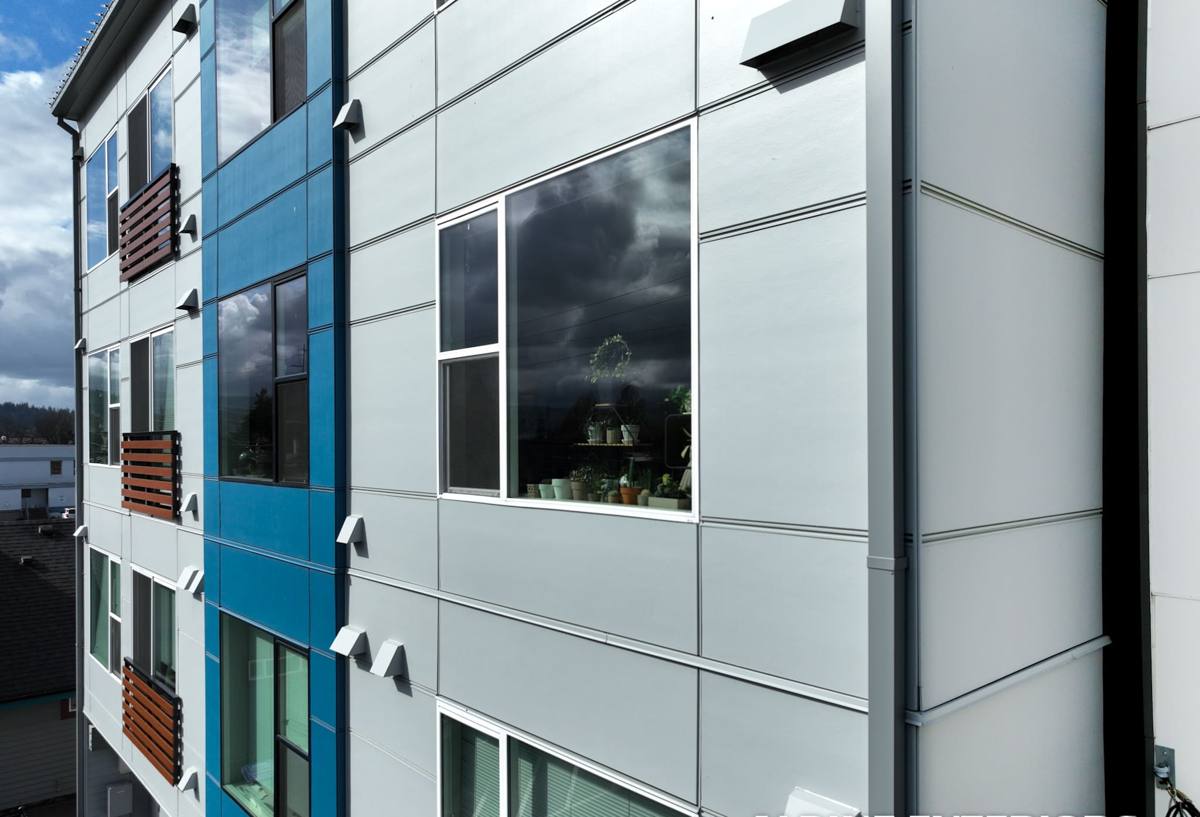
Downtown Clearwater's housing stock is a mix. Older single-family homes and bungalows sit alongside newer condo and townhome buildings closer to the water. The older homes often still have original single-pane aluminum or wood windows that were never built to current wind or impact standards. Newer buildings usually have code-compliant windows already, but even those develop sealant failures, worn hardware, or broken glass seals well before the 15-to-20-year mark in this climate.
Proximity to the Water Raises the Stakes
The closer a home sits to open water, the more corrosive the surrounding air becomes. Salt-laden moisture accelerates corrosion on aluminum frames and hardware, and it works its way into gaps and seals faster than it would further inland. Wind-driven rain during summer storms tests every seal and flashing detail on a window, not just the glass — a window can look fine and still leak because of a flashing or sealant failure rather than a defect in the glass itself.
What Florida Building Code Requires for Replacement Windows Here
Clearwater and the rest of Pinellas County sit inside Florida's wind-borne debris region, which means replacement windows generally need to be impact-rated, or paired with code-approved shutters, and carry a valid Florida product approval or Miami-Dade Notice of Acceptance for the wind zone your address falls into. This isn't a formality — it's what determines whether the local building department will actually permit and pass the job at final inspection.
A licensed contractor pulls the permit, confirms the specific wind pressure requirements for your home's location and exposure category, and matches window products that are genuinely rated for that load, not just marketed as "hurricane windows" in a general sense. Skipping or shortcutting this step is one of the most common problems we find when we're called in to fix someone else's installation.
Signs a Downtown Clearwater Home Needs New Windows
Some warning signs are obvious, others show up gradually. Worth checking for:
- Fogging or a hazy film between panes of double-pane glass — the seal has failed and can't be repaired
- Visible pitting, chalking, or white corrosion on aluminum frames from salt exposure
- Windows that stick, won't stay open, or take real effort to lock
- Drafts or a noticeable temperature difference near the window even when it's closed
- Water staining or soft drywall below the sill after heavy rain
- Single-pane glass or frames with no visible impact rating label or etching
- A jump in cooling costs that isn't explained by anything else in the home
- Outside noise from traffic or storms that seems louder than it should be for a closed window
Any one of these on its own might just mean routine maintenance. Several together, especially in a home over 15 to 20 years old, usually means it's time to talk about replacement rather than repair.
Choosing the Right Window for This Location
Frame material and glass package matter more here than in a lot of the country, because the window has to hold up to salt air, UV, and wind pressure at the same time. Here's how the common options compare for a downtown Clearwater application:
| Frame Material | Salt Air Performance | Maintenance | Typical Fit for This Area |
|---|---|---|---|
| Vinyl | Does not corrode; UV-stable formulations hold color well | Low — no painting, occasional cleaning | Strong all-around choice for most homes |
| Aluminum | Prone to pitting and white corrosion close to the water over time | Moderate — may need refinishing sooner | Workable further inland, less ideal near the harbor |
| Fiberglass | Very stable in heat, sun, and salt exposure | Low | Good option for higher-exposure or premium projects |
| Wood (clad) | Vulnerable to moisture intrusion if cladding or seals fail | High — needs consistent upkeep | Best reserved for homes prioritizing a specific look, with a clear maintenance plan |
On glass, laminated impact glass is the standard for coastal Pinellas County replacements. It's what makes the window impact-rated in the first place, and it also cuts UV transmission and outside noise as a side benefit. Low-E coatings help manage Florida's year-round heat load and are worth including on every window, not just the ones facing west or south.
Energy Performance and Everyday Comfort
Storm protection tends to get the attention, but a downtown Clearwater window is also fighting a year-round battle against heat and UV. Intense, near-constant sun fades flooring, furniture, and window treatments over time, and older single-pane or clear-glass windows let a lot of that heat straight through, which shows up directly on the air conditioning bill.
What Actually Helps
A Low-E coating reflects a meaningful share of solar heat before it enters the room, without noticeably darkening the glass. Laminated impact glass, beyond its wind-load role, also blocks a large percentage of UV transmission and takes the edge off outside noise — a real benefit in a denser downtown setting with more traffic and foot activity nearby than a quiet suburban block. None of this replaces good attic insulation or a properly sized HVAC system, but windows are a major piece of the home's overall thermal performance, and it's worth choosing a glass package that matches how much sun your specific exposures actually get.
What a Correct Installation Actually Involves
The window unit itself is only part of the job. A correct installation in this climate depends on the details around it:
- Removing the old window and inspecting the rough opening for hidden water damage or rot before anything new goes in
- Correcting any framing or moisture issues found, rather than installing over them
- Installing flashing and a proper drainage path so any water that does get past the glass has somewhere to go
- Setting the window plumb, level, and square, and fastening it per the manufacturer's tested installation instructions — this is what the product approval is actually based on
- Sealing with the right sealant for the substrate, applied correctly the first time
- Final check of operation, lock engagement, and weep hole function before calling the job done
Skipping steps here is exactly how a properly rated, code-approved window still ends up leaking or failing — the product wasn't the problem, the installation was.
Working Around Downtown Clearwater's Site Conditions
Downtown lots and buildings come with their own logistics. Street parking is tighter than in the suburbs, some properties have limited staging space for materials, and condo or townhome buildings often have their own approval process along with specific rules about work hours, contractor insurance, or exterior appearance changes that need to be sorted out before work starts. Some of the area's older homes also call for a more careful hand where original trim and character details matter to the owner.
A crew that already works this part of Clearwater regularly knows to plan around these things ahead of time — confirming condo association requirements, working out realistic parking and staging, and scheduling around the practical realities of a denser urban block — instead of discovering them mid-project.
Our Process, From Estimate to Final Inspection
We start with an on-site visit to look at your existing windows, take accurate measurements, and talk through what you actually need — storm protection, energy performance, noise reduction, or some combination of the three. From there we help you choose a frame and glass package that fits your home and your budget, handle the permit application with the applicable local building department, and schedule the installation around your timeline.
After the windows are in, we walk the job with you, confirm everything operates correctly, and coordinate the final inspection so the permit closes out properly. That closed permit matters — it becomes part of your home's official record and can matter at resale or when your insurance carrier reviews the property.
Cost Factors for Window Replacement in Downtown Clearwater
Every home is different, but the same handful of factors drive most of the cost difference between projects:
| Factor | Why It Matters |
|---|---|
| Number and size of windows | More or larger openings mean more material and labor |
| Frame material | Vinyl, aluminum, fiberglass, and wood-clad carry different price points |
| Glass package | Impact-rated laminated glass and Low-E coatings add cost over standard glass |
| Structural or framing repairs | Hidden rot or water damage found during removal adds work before the new window goes in |
| Site access | Upper floors, tight lots, or condo logistics can affect labor and staging time |
| Permit and code requirements | Bringing an older opening up to current wind-load standards can add scope |
We give straightforward, itemized pricing so you can see exactly what's driving the number — no vague lump sums, and no pressure to upgrade beyond what your home actually needs.
If your downtown Clearwater home has windows that are drafty, hard to operate, showing salt corrosion, or simply original to a home that's due for an upgrade, we're glad to take a look. Request a free, no-pressure estimate using the form below and we'll walk you through your options honestly.