 Clearwater Window
 Why Sunset Point Homes Need Windows Built for This Exact Climate
Sunset Point sits close enough to open water that its homes take a different beating than houses further inland in Pinellas County. Between wind-driven rain off the bay, salt-laden air that corrodes hardware faster than people expect, and sun exposure that runs nearly year-round, windows here are working harder than the manufacturer's glossy brochure photo ever suggests. A window that would hold up fine in a landlocked climate can start failing within a few years on this side of Clearwater if it wasn't specified and installed with that exposure in mind.
We install windows in this neighborhood regularly, which matters more than it sounds. A crew that mostly works other parts of the county might default to a generic spec sheet. A crew that works Sunset Point knows which corners of a house take the worst wind-driven rain during a squall, which orientations bake in afternoon sun, and where salt fog does the most damage to frames and fasteners over time.
The Four Stressors That Shorten Window Life Here
- Hurricane-force wind loads — even homes outside the most exposed flood zones need windows and installation methods rated for the wind pressures this stretch of Florida's Gulf Coast can see.
- Wind-driven rain — the water intrusion during a storm rarely comes straight down; it's pushed sideways into seams, and a marginal installation will leak long before the glass itself ever fails.
- Year-round UV — constant sun exposure degrades vinyl, breaks down seals, and fades interior finishes faster than in most parts of the country.
- Salt air — corrodes lesser hardware, fasteners, and low-grade frame components, especially on homes closer to the water.
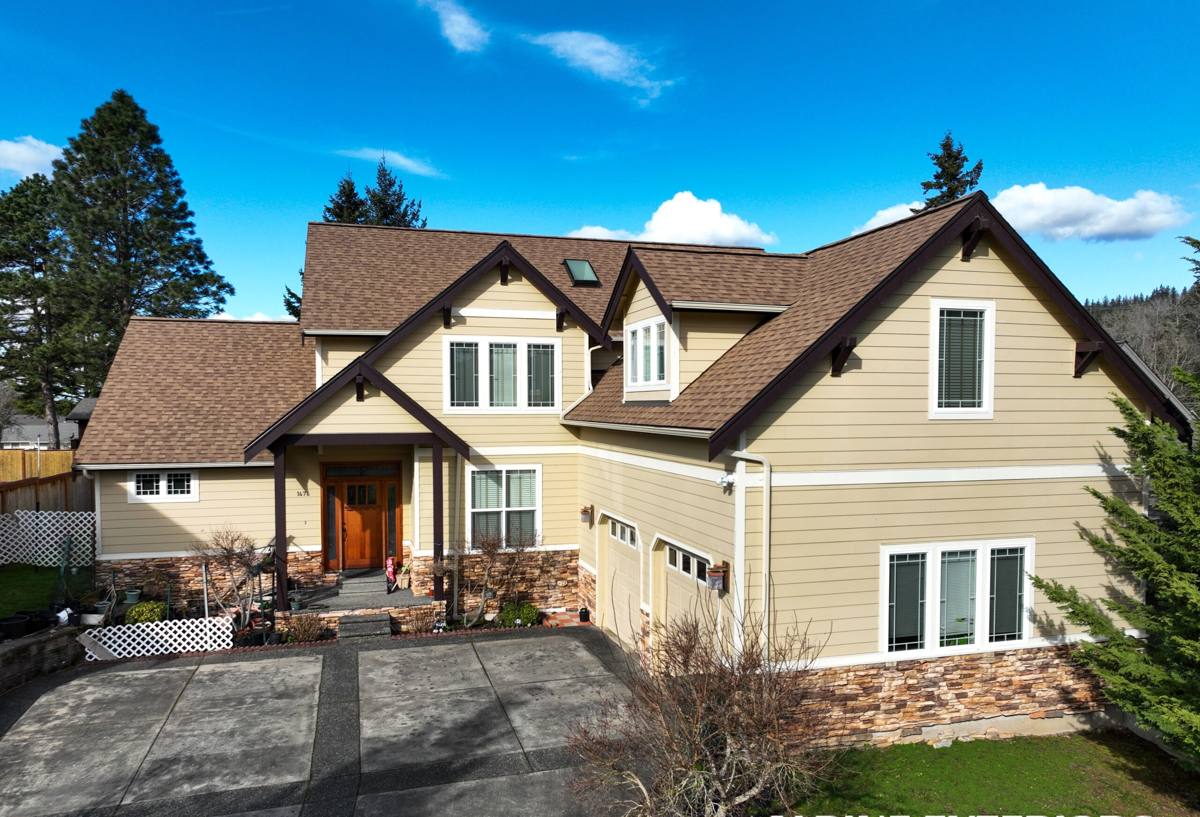
What a Correct Window Installation Actually Involves
"Window installation" sounds simple, but in a coastal Pinellas County home it's really two jobs happening at once: choosing a product rated for the loads this area sees, and installing it in a way that actually delivers on that rating. A great window installed poorly performs like a cheap one. A modest window installed correctly can outperform expectations. Both halves matter.
Product Side
- Impact-rated or code-compliant glazing appropriate for the home's wind zone
- Frame material suited to salt air exposure (not every frame ages the same way near the coast)
- Proper glass package for solar heat gain given Florida's sun exposure
- Hardware rated to resist corrosion, not just standard-grade fasteners and locks
Installation Side
- Correct rough opening prep — old, out-of-square, or water-damaged framing gets addressed before a new window ever goes in, not covered up
- Proper flashing and weatherproofing at the sill and jambs, sequenced so water sheds outward, never trapped behind the window
- Fastening schedule that meets the wind load the window is rated for — installers cutting corners here is a common failure point that voids performance even on a good window
- Sealant and backer rod detail done correctly, not just a bead of caulk smeared around the trim
We've seen the failure mode that skipping either half causes: a homeowner pays for a solid product, but if the flashing detail or fastening schedule was rushed, the first serious wind-driven rain event finds the gap. That's why we treat the installation itself as being just as important as the window brand.
Our Process for a Sunset Point Window Project
The steps below are the same order we follow on every window job in this neighborhood, adjusted for the specific house.
- On-site assessment. We look at existing window condition, framing integrity, current water intrusion signs, and sun exposure by elevation before recommending anything.
- Product recommendation. Based on the home's exposure and the homeowner's budget and priorities — energy performance, wind rating, noise reduction, or a mix.
- Permitting. Pinellas County and the City of Clearwater have specific permitting and inspection requirements for window replacement, especially where wind-rated products are involved. We handle that paperwork rather than leaving it to the homeowner.
- Removal and opening prep. Old windows come out carefully, and any damaged framing, rot, or prior water intrusion gets addressed before anything new goes in.
- Installation. Set, shimmed, flashed, and fastened to spec — not eyeballed.
- Sealing and finish work. Interior and exterior trim, caulking, and final weatherproofing details.
- Inspection and walkthrough. Where permits require a county or city inspection, we coordinate it. We also walk the homeowner through operation and basic care.
Impact-Rated vs. Standard Windows: What's the Real Difference
This is one of the most common questions homeowners in this area have, and the honest answer is that it depends on the specific home, its wind zone, and the homeowner's priorities — not just a blanket "always go impact."
| Factor | Impact-Rated Windows | Standard Windows + Shutters |
|---|---|---|
| Storm protection | Built into the glass and frame; no action needed before a storm | Effective, but only if shutters are deployed in time |
| Daily convenience | No prep required before storms | Requires manual installation of shutters or panels |
| Upfront cost | Higher per-window cost | Lower window cost, but added cost for shutter systems |
| Noise and UV reduction | Often noticeably better due to laminated glass | Varies by window package |
| Aesthetic impact | Minimal change to home's look day-to-day | Shutters visible or need storage when not deployed |
We'll walk through this trade-off honestly for a specific home rather than pushing one option — some Sunset Point homes are well served by standard windows paired with a solid shutter system, others benefit more from going impact-rated across the board.
What Drives the Cost of a Window Installation Here
We don't publish blanket per-window prices because the honest answer always depends on the house, but these are the factors that actually move the number:
| Cost Factor | Why It Matters |
|---|---|
| Window count and size | Larger openings and more windows scale cost directly |
| Impact rating | Impact-rated glass and frames cost more per unit than standard |
| Framing condition | Rot or water damage found during removal adds repair work before install |
| Access and elevation | Second-story or hard-to-reach windows take more labor time |
| Permitting requirements | Wind-rated replacements typically require permits and inspection, adding administrative time |
| Trim and finish work | Custom trim or matching existing finishes adds labor |
Signs Your Current Windows Are Already Failing
Because of the constant sun, humidity, and salt exposure, window problems here tend to show up earlier than homeowners expect. Worth checking for:
- Fogging or condensation between panes (seal failure)
- Difficulty opening, closing, or locking a window that used to operate smoothly
- Visible gaps, soft spots, or discoloration in the surrounding frame or trim
- Water staining on interior walls or sills below or beside a window
- Noticeably higher cooling bills without another clear cause
- Corroded or rusted hardware, hinges, or locks
- Drafts felt near the window frame even when it's closed
Why Hiring a Crew That Already Works Sunset Point Matters
Window installation quality is hard for a homeowner to judge just by looking at the finished product — a bad flashing job and a good one can look identical from the inside until the next storm. That's exactly why local experience matters here. A crew that regularly works this stretch of Clearwater has already seen which installation shortcuts fail first in this exposure, understands the county and city permitting requirements without a learning curve, and isn't guessing at wind zone requirements from a general spec sheet.
It also means faster, more direct communication if anything needs a follow-up visit — no waiting on a crew that's normally working somewhere else in the county to make its way back to this neighborhood.
Caring for New Windows After Installation
New windows in this climate still need basic upkeep to hit their full lifespan:
- Rinse salt residue off frames and glass periodically, especially on elevations facing open water
- Check and lubricate hardware annually — locks and hinges are where corrosion shows up first
- Inspect exterior caulking and sealant yearly and touch up before small gaps become leaks
- Clear debris from weep holes so water can drain properly during heavy rain
None of this is complicated, but skipping it is one of the most common reasons a correctly installed window underperforms its expected lifespan in a coastal climate.
Get a Straight Answer for Your Home
Every Sunset Point home is a little different in age, orientation, and exposure, so the right window package for one house isn't automatically right for the one next door. If you'd like an honest, no-pressure look at what your home actually needs, use the form below to request a free estimate — we'll assess the house in person before recommending anything.