 Clearwater Window
 Why Sunset Point Roofs Take a Different Kind of Beating
Sunset Point sits close enough to the water that every roof in the neighborhood is doing double duty. It's not just shedding rain like a roof inland might — it's absorbing salt-laden air, getting hammered by wind gusts that funnel off Clearwater Harbor and the Gulf, and baking under some of the most intense UV exposure in the continental United States for most of the year. Add in the tropical storm and hurricane threat that every Pinellas County homeowner lives with from June through November, and you've got a roof system that ages faster and fails differently than roofs in milder climates.
When we talk about storm damage repair here, we're not just talking about patching a hole after a bad afternoon. We're talking about understanding how wind-driven rain gets pushed sideways under shingles and tiles, how repeated UV cycling makes underlayment brittle years before it "should" fail, and how salt air corrodes fasteners and flashing from the inside out. A repair that doesn't account for all of that is a repair that fails again at the next storm.
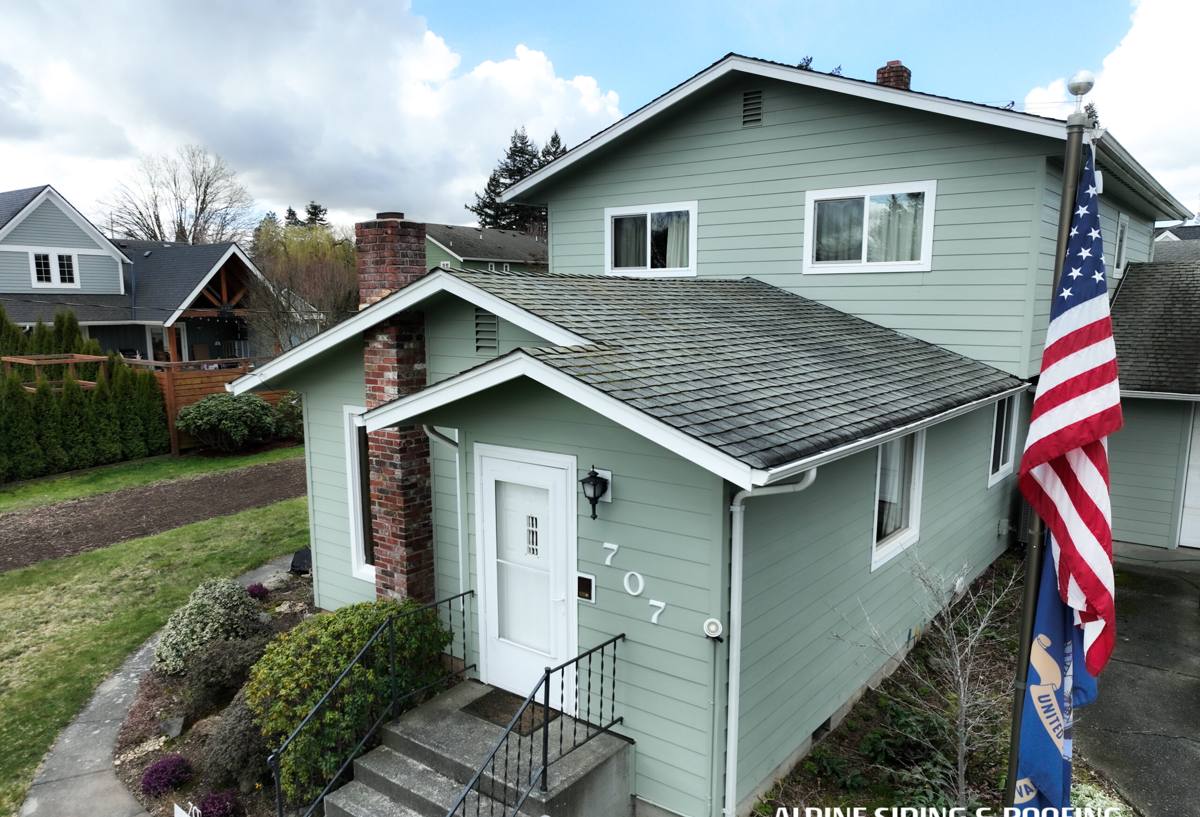
What Storm Damage Actually Looks Like on a Sunset Point Roof
Storm damage isn't always the dramatic kind — a tree limb through the decking or a section of shingles peeled back like a sardine can. A lot of the damage we find on service calls in this neighborhood is quieter and easier to miss from the ground.
Wind Damage
Sustained coastal winds and gusts during storm events lift shingle or tile edges, break the seal strips that hold asphalt shingles flat, and crack or shift tiles just enough to open a gap. Once that seal or alignment is broken, the roof looks mostly fine from the street but is no longer shedding water the way it's supposed to.
Wind-Driven Rain Intrusion
This is the one that causes the most expensive damage and gets discovered the latest. When rain comes in sideways instead of straight down, it can work its way under flashing, around vent boots, and through fastener penetrations that would never leak in a normal rain. By the time a homeowner sees a ceiling stain, water has often been getting into the attic or wall cavity for a while.
UV and Heat Degradation
Even on days with no storm at all, constant sun exposure dries out asphalt shingles and breaks down the underlayment beneath tile roofs. This doesn't cause a single dramatic failure — it just means the roof has less reserve capacity left when a storm does hit, so damage that a newer roof would shrug off turns into a real problem on an older one.
Salt Air Corrosion
Metal flashing, drip edge, nails, and screws all corrode faster this close to the water. Corroded fasteners lose their grip, and corroded flashing develops pinholes and seam failures — both of which are common root causes behind leaks that seem to come from nowhere.
Why "Just Patch It" Often Isn't Enough
We understand the instinct after a storm: find the leak, seal it, move on. But a spot patch only addresses the symptom in the exact place water happened to find its way in. It doesn't tell you whether the surrounding shingles or tiles are still properly sealed, whether the underlayment nearby is already compromised, or whether the flashing at a nearby penetration is next in line to fail.
A proper storm damage repair starts with figuring out the actual extent of the damage — not just where the water showed up inside the house, but everywhere wind and rain could have compromised the roof's ability to shed water. That's the difference between a repair that holds through the next storm season and one that has you calling again after the next named storm rolls through the Gulf.
Our Storm Damage Repair Process
1. Roof and Attic Inspection
We start on top of the roof, not just from a ladder at the eave. We're checking shingle or tile condition, seal integrity, flashing at every penetration and valley, and the state of the underlayment where it's exposed. Where accessible, we also check the attic for water staining, damp insulation, or daylight coming through — signs of intrusion that haven't shown up as a ceiling stain yet.
2. Documenting the Damage
We put together clear documentation of what we find, including areas of concern beyond the immediate leak. This matters if you're filing an insurance claim, and it also gives you an honest picture of what's actually going on with your roof rather than just the one spot that happened to leak first.
3. Scoping the Right Repair
Not every storm-damaged roof needs the same fix. Some situations call for a targeted repair — replacing a section of shingles or tiles, resealing and re-flashing a specific area, or replacing a run of corroded flashing. Others reveal that the underlayment or decking underneath has been compromised over a wider area, which changes the scope of what needs to happen to actually solve the problem instead of just covering it up.
4. The Repair Itself
Depending on scope, this might mean removing and replacing damaged shingles or tiles down to sound decking, replacing saturated or degraded underlayment, resealing or replacing flashing at valleys and penetrations, and re-securing anything that wind has loosened. We match materials and installation methods to what's already on the roof wherever that's the right call, and we're upfront when a section is far enough gone that patching it won't hold.
5. Final Check and Cleanup
Before we consider the job done, we walk the repair area again to confirm everything is sealed and secured properly, and we clean up debris — old shingles, tile fragments, fasteners — from the roof, gutters, and yard.
Repair vs. Replacement: How We Think About It
Homeowners often want a straight answer on whether a storm-damaged roof needs a full replacement or can be repaired, and the honest answer is that it depends on the age and condition of the roof, not just the storm. The table below covers the general factors we weigh.
| Factor | Leans Toward Repair | Leans Toward Replacement |
|---|---|---|
| Roof age | Under roughly half its expected lifespan | Nearing or past manufacturer-rated lifespan |
| Extent of damage | Isolated to one section or penetration | Spread across multiple sections or slopes |
| Underlayment condition | Still pliable and intact where checked | Brittle, torn, or degraded from sun exposure |
| Decking condition | Solid, no soft spots | Soft, delaminated, or water-stained |
| Storm history | First significant damage event | Repeat repairs from prior storm seasons |
| Fastener/flashing condition | Localized corrosion only | Widespread corrosion from long-term salt exposure |
We'll always tell you honestly which side of that line your roof falls on. A repair that's likely to need redoing after the next storm season isn't doing you any favors, and neither is pushing a full replacement on a roof that's genuinely fine with a targeted fix.
Insurance and Storm Damage Repairs
Many storm-related roof repairs in Pinellas County are eligible for insurance coverage, particularly when damage is tied to a specific wind or storm event. We're not a public adjuster and we don't handle your claim for you, but we can provide the kind of documentation — photos, notes on damage location and likely cause, scope of repair needed — that supports a claim you file with your carrier or adjuster. It's worth having a roof inspected and documented soon after a storm, even if the damage seems minor, since some intrusion issues take weeks to show up as visible interior damage but are much easier to tie to the storm event if documented close to when it happened.
What to Check After a Storm — And What to Leave to a Professional
There's a limit to what's safe or useful to check yourself, but a quick ground-level and interior look can help you decide how urgent an inspection is.
- Look for visible shingle or tile displacement, especially on slopes facing the prevailing wind direction
- Check gutters and the ground around the house for accumulated granules, tile fragments, or flashing pieces
- Check ceilings and upper-floor walls for new stains, soft spots, or discoloration
- Check the attic, if safely accessible, for daylight, dampness, or a musty smell
- Note any debris impact points — fallen branches, blown debris marks — that might indicate a localized strike
- Avoid getting on the roof yourself after a storm; wet, damaged roofing is not safe footing
- Call for an inspection promptly rather than waiting to see if a small leak gets worse
Why a Crew That Already Works Sunset Point Matters
Storm damage repair isn't a one-size-fits-all trade. A crew that regularly works roofs in this part of Clearwater has already seen how salt air, sun exposure, and wind patterns specific to this stretch of Pinellas County actually affect roofs over time — not in general, but in this neighborhood's conditions. That means faster, more accurate diagnosis: knowing where flashing tends to corrode first, which roof styles in the area are more prone to wind-driven rain intrusion, and what a properly weathered roof looks like versus one that's quietly failing.
It also means being available and responsive during and after storm season, when demand for roof repair spikes across the whole region. We'd rather build a lasting relationship with homeowners in this community than treat every job as a one-off, and that shows up in the quality of the repair and the honesty of the recommendation.
Protecting Your Roof Between Storms
Storm damage repair is reactive by nature, but the roofs that hold up best under Gulf storms are the ones that get some basic attention in calmer months too. Periodic inspections can catch a loosening seal or a small area of flashing corrosion before it becomes an entry point during the next major wind event. Keeping gutters and downspouts clear reduces the chance of water backing up under the roof edge during heavy rain. And addressing minor UV-related wear — cracked sealant, curling shingle edges — early keeps small issues from becoming bigger ones once storm season arrives.
If your Sunset Point home has taken storm damage, or you're not sure whether recent weather has compromised your roof, we're happy to take a look. Reach out for a free, no-pressure estimate using the form below, and we'll give you an honest read on what your roof needs.