 Clearwater Window
 Palm Harbor Roofs Work Harder Than Most
Palm Harbor sits close enough to the Gulf that every roof in the area is dealing with the same combination of stresses: hurricane-force wind gusts during storm season, wind-driven rain that gets pushed sideways under loose flashing and shingle tabs, and near-constant UV exposure that bakes roofing materials for most of the year. Add in the salt content that rides in on the coastal breeze off the Intracoastal and Gulf, and you have an environment that ages roofing systems faster than it does further inland. None of that is unique to any one house — it's the baseline for Pinellas County. What matters is whether a roof was built and maintained with that baseline in mind, and whether storm damage gets caught and corrected before it turns into something bigger.
A roof that looks fine from the ground can still be hiding damage from the last named storm or even a routine summer thunderstorm with 50-60 mph gusts. That's the gap we focus on closing for Palm Harbor homeowners: finding what the storm actually did, not just what's obviously wrong.
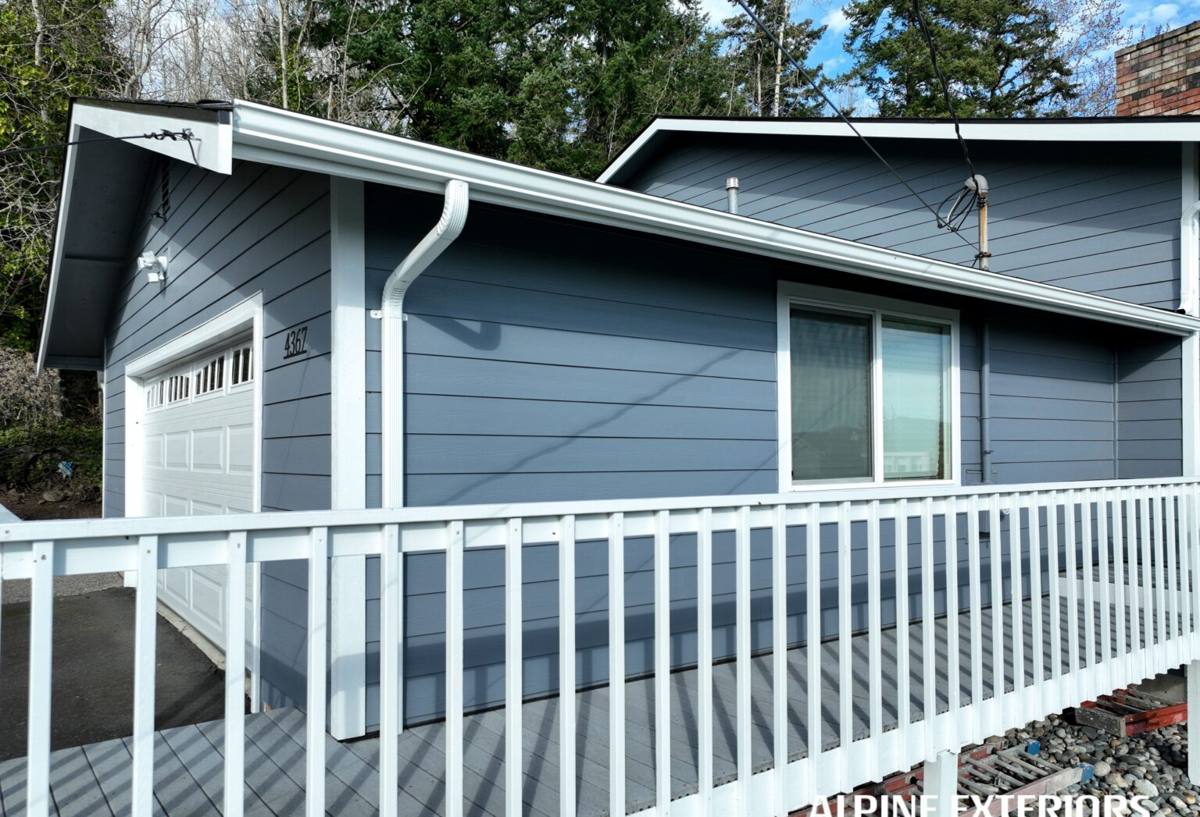
What Storm Damage Actually Looks Like
Storm damage isn't always a missing shingle or a visible hole. Most of the damage we find on Palm Harbor roofs falls into a few categories, and each one behaves differently over time if it's left alone.
Wind Damage
Sustained wind and gusts lift shingle tabs, break the seal strips that hold shingles flat, and can crease or tear shingles without fully detaching them. A creased shingle has lost its ability to shed water correctly even though it's still nailed down — it will keep leaking, quietly, every time it rains.
Wind-Driven Rain Intrusion
When rain comes in at an angle instead of falling straight down, it finds every gap in flashing, pipe boots, and ridge caps that a vertical rainstorm would never reach. This is one of the most common sources of hidden interior water stains after a Palm Harbor storm — the roof surface itself may look intact while water is getting in around penetrations and edges.
Debris and Impact Damage
Tree limbs, loose gutters, and airborne debris cause both obvious punctures and less obvious bruising — granule loss and soft spots on shingles that weaken the roofing material without breaking it open right away.
Granule Loss From UV and Hail
Florida's UV load alone wears down shingle granules over the life of a roof. A hailstorm or high-wind event accelerates that in specific spots, leaving bald patches that expose the asphalt underneath to sun and water it wasn't designed to face directly.
Why "It's Not Leaking Yet" Isn't a Safe Test
The biggest mistake we see after a storm is homeowners waiting for a leak to show up before calling anyone. Roofing systems are layered — shingles, underlayment, flashing, decking — and damage to the outer layer doesn't always announce itself as an interior leak right away. By the time water is visibly staining a ceiling, it has often been getting into the decking or attic for weeks or months. In Pinellas County's humidity, that kind of slow intrusion also creates conditions for wood rot and mold, both of which cost more to fix than the roof damage that caused them in the first place.
A storm damage inspection is about catching that gap early — identifying compromised shingles, seals, and flashing before they turn into a decking or interior repair.
What a Correct Storm Damage Repair Involves
A proper repair isn't just replacing whatever shingles are visibly missing. It's a sequence, and skipping steps is how homeowners end up calling a roofer back six months later for the same leak.
- Full-roof inspection — not just the area the homeowner points to. Wind and rain damage is often worse on the side of the roof that faced the storm, which isn't always the side visible from the street or driveway.
- Documentation — photos and notes of every damaged area, which matters both for the repair plan and for any insurance claim tied to the storm.
- Underlayment and decking check — where shingles were compromised, we check what's underneath. Wet or soft decking has to be addressed before new shingles go down, or the repair is cosmetic only.
- Flashing and penetration repair — pipe boots, vent flashing, and valley flashing are common leak points that get overlooked when a repair focuses only on shingles.
- Matching materials — replacement shingles matched as closely as possible in type, color, and wind rating to the existing roof, so the repair blends in and doesn't create a weak seam against older, sun-faded material.
- Final water test and walk-through — confirming the repair sheds water correctly before we consider the job done.
Repair or Replace? What Actually Drives That Decision
Not every storm-damaged roof needs to be replaced, and not every roof can be reasonably patched. The right call depends on a handful of factors working together, not any single one on its own.
| Factor | Points Toward Repair | Points Toward Replacement |
|---|---|---|
| Roof age | Roof is under 10-12 years old | Roof is near or past its expected service life |
| Extent of damage | Damage is isolated to one section or slope | Damage is spread across most of the roof |
| Decking condition | Decking is dry and structurally sound | Decking shows rot or repeated water exposure |
| Shingle availability | Matching shingles are still available | Original shingle line is discontinued or badly faded |
| Prior repair history | This is the roof's first significant repair | Roof has multiple past repairs stacking up |
We'll walk through these factors with you honestly. If a repair is the right call, we'll say so — there's no reason to sell a full replacement when a targeted repair solves the actual problem.
Insurance Claims and Storm Damage
Many storm damage repairs in Palm Harbor go through homeowners insurance, and how the damage is documented affects how smoothly that process goes. We provide clear photo documentation and a written scope of the damage and repair, which is what most adjusters need to evaluate a claim. What we don't do is inflate a damage report or claim storm damage where the evidence doesn't support it — that approach causes more problems than it solves, including denied claims and disputes down the line. Our job is to give you and your insurer an accurate picture so the claim can be processed on its actual merits.
If you're not sure whether specific damage is storm-related or the result of ordinary wear, that's exactly the kind of question a proper inspection answers before you file anything.
Why Local Experience in Palm Harbor Matters
A crew that regularly works roofs in Palm Harbor and the surrounding Clearwater area knows what specific storm patterns tend to do to roofs in this part of Pinellas County — which slopes typically take the worst of a given wind direction, how salt air affects fastener and flashing corrosion over time, and what roofing profiles hold up best under repeated summer thunderstorm cycles rather than a single big event. That's different from general roofing knowledge. It means less time spent diagnosing and more time spent fixing the actual problem, and it means a repair that's built for the next storm, not just cosmetically matched to pass a quick look.
It also means we're not guessing about permitting or code requirements specific to Pinellas County — those requirements exist because of exactly the wind and rain conditions Palm Harbor roofs deal with every year, and a repair that doesn't meet them isn't a repair that will actually hold up.
What to Do Right After a Storm
If your roof took a hit from wind, hail, or falling debris, a few basic steps help protect the property and make any repair or claim go more smoothly.
- Do a visual check from the ground — look for missing, lifted, or displaced shingles, and check gutters for excessive granule buildup.
- Check the attic and ceilings for new water stains, damp spots, or musty odors, even if nothing looks wrong from outside.
- Photograph any visible damage before debris is cleared or tarps go up, if it's safe to do so.
- Avoid walking the roof yourself — storm-damaged roofing can be unstable and hides sharp debris.
- Get a professional inspection promptly rather than waiting to see if a leak develops.
- Keep a written record of the storm date and any temporary repairs, which supports an insurance claim if one is filed.
Get an Honest Look at Your Roof
If a recent storm has you wondering whether your Palm Harbor roof came through clean, the safest move is a straightforward inspection rather than guessing from the ground. We'll give you a clear, honest assessment of what we find and what it actually needs — nothing added, nothing skipped. Fill out the form below for a free, no-pressure estimate.