 Clearwater Window
 Skycrest Siding Has to Answer to Clearwater's Climate, Not a Showroom
Skycrest is one of Clearwater's established residential neighborhoods, with a mix of mid-century homes and more recently updated properties sitting close enough to the Gulf and Tampa Bay to feel the effects of salt air year-round. Siding here doesn't get an easy life. Between hurricane-force wind events, wind-driven rain that gets pushed sideways into wall assemblies, and some of the most intense year-round UV exposure in the continental United States, exterior cladding in this part of Pinellas County is under constant stress. A product that performs fine in a mild inland climate can fail quickly here — fading, warping, delaminating, or letting moisture behind the wall where you can't see it happening.
That's the lens we bring to every Skycrest siding job. We're not selling a look. We're specifying a wall system that has to hold up to salt corrosion, humidity cycling, and the kind of storm gusts that turn a small installation flaw into a real problem.
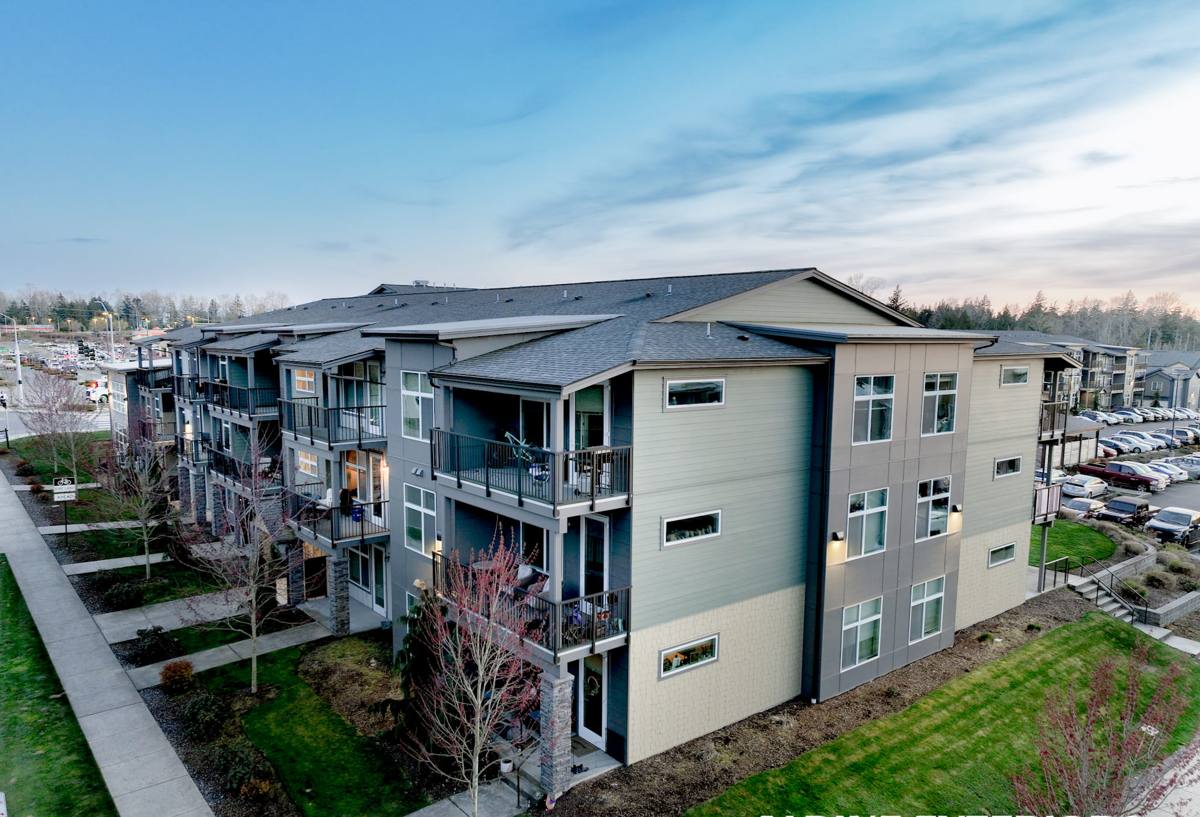
Why We Only Install James Hardie Fiber Cement
We made a deliberate decision to install James Hardie fiber cement siding exclusively — not vinyl, not LP SmartSide, not the various cement-board alternatives on the market. That's not brand loyalty for its own sake. Fiber cement is non-combustible, doesn't expand and contract with heat the way vinyl does, and doesn't rely on a wood-fiber core that can swell if moisture gets in. In a climate that combines high heat, high humidity, and salt air, those differences matter more than they would somewhere drier and cooler.
James Hardie also engineers products specifically for regions like ours through its HZ5 line, formulated for high-moisture, humid climates rather than a one-size-fits-all national product. For a Skycrest home exposed to Gulf humidity and salt-laden air, that regional engineering is a real advantage, not a marketing detail.
What This Means for a Skycrest Home Specifically
Homes in this neighborhood typically face a combination of factors that push siding harder than average: proximity to brackish air, direct west or southwest sun exposure on at least one elevation, and the wind loading that comes with being in a hurricane-prone coastal county. Any siding installation here should be treated as a system — cladding, water-resistive barrier, flashing, and fastening all working together — not just a facelift.
What a Correct James Hardie Installation Actually Involves
James Hardie siding is a durable product, but its long-term performance depends almost entirely on installation quality. A rushed or undertrained crew can install the same boards we do and still produce a wall that fails in five years instead of lasting decades. Here's what we treat as non-negotiable on every job:
Moisture Management Comes First
- Proper water-resistive barrier installed and lapped correctly behind every board
- Flashing at all windows, doors, and penetrations, integrated with the barrier — not caulked over gaps as a substitute
- Correct clearance between siding and roofing, decking, and grade, per Hardie's published requirements
- Kick-out flashing at roof-to-wall intersections so runoff doesn't wick into the wall assembly
Fastening and Fit
James Hardie publishes specific fastener spacing, penetration depth, and gap tolerances for a reason: get them wrong and you introduce stress points that show up later as cracking, popped fasteners, or gaps that let water in. We follow Hardie's installation instructions to the letter, not "close enough," because that's what keeps the manufacturer's warranty valid and keeps the wall performing as designed.
Cuts, Caulking, and the ColorPlus Finish
Most James Hardie siding on Skycrest homes goes on with the factory-applied ColorPlus finish, which is baked on and warranted separately from the substrate. Field-cut edges need to be sealed and, where visible, touched up correctly so the finish performs uniformly across the wall. Sloppy caulking or unsealed cut ends are one of the most common ways an otherwise good installation starts failing early in a high-UV, high-humidity climate.
Choosing the Right Product Line and Profile
James Hardie isn't a single product — it's a system of lines and profiles, and the right choice depends on the home's architecture and exposure. Part of our estimate process for any Skycrest home is walking through these options with the homeowner rather than defaulting to whatever is easiest to install.
| Product | Typical Use | Why It Fits Skycrest Homes |
|---|---|---|
| HardiePlank lap siding | Traditional horizontal siding, most common on single-family homes | Familiar look, wide color and texture range, proven wind and moisture performance |
| HardiePanel vertical siding | Modern facades, accent walls, gable ends | Clean vertical lines for updated or contemporary renovations |
| HardieShingle siding | Accent gables, dormers, coastal-style detailing | Adds texture and curb appeal without sacrificing durability |
| HardieTrim boards | Fascia, corner boards, window and door trim | Matches siding durability so trim doesn't fail before the field siding does |
For most Skycrest homes we recommend the HZ5 formulation regardless of profile, given the humidity and salt exposure common throughout this part of Clearwater and Pinellas County.
Our Process, Start to Finish
Homeowners in Skycrest generally want to know two things: what will this actually involve, and how long will it take. Here's the honest answer, in order.
- On-site assessment. We look at the existing siding, the wall assembly underneath where accessible, trim condition, and any signs of past moisture intrusion before quoting anything.
- Product and profile selection. We walk through James Hardie lines, colors, and profiles that fit the home's architecture and your budget.
- Tear-off and inspection. Old siding comes off and we inspect sheathing for rot or damage before anything new goes up — this step catches problems a quick estimate can't.
- Water-resistive barrier and flashing. This is the part that's invisible once the job is done but determines whether the wall stays dry for the next 30 years.
- Siding installation to Hardie spec. Correct fastening, gapping, and finish work, including trim.
- Final walkthrough. We go over the finished job with you before calling it complete.
Why Hiring a Crew That Already Works in Skycrest Matters
Siding installation isn't just a product question — it's a code and conditions question, and both are local. A crew that regularly works in Clearwater and throughout Pinellas County already understands the wind-load requirements that apply to coastal Florida construction, the permitting process with the local building department, and the kinds of moisture problems that show up in homes exposed to Gulf humidity and salt air. That's different from a crew that mostly works siding jobs somewhere inland and treats a coastal Clearwater home the same as any other.
There's also a practical advantage to a contractor who's already done work in your specific neighborhood: familiarity with the general age and construction of homes in the area, common issues found in older wall assemblies, and what tends to actually go wrong versus what's a non-issue. That local pattern recognition shortens the assessment phase and reduces surprises mid-project.
Maintaining James Hardie Siding in a Salt Air, High-UV Climate
One of the advantages of fiber cement over vinyl or wood-based siding is how little ongoing maintenance it needs — but "little" isn't "none," especially this close to the Gulf. A simple annual routine keeps the investment performing for the long haul.
- Rinse the exterior periodically to remove salt residue and airborne grime before it builds up
- Inspect caulking around windows, doors, and trim annually and re-caulk any cracked or separated joints
- Check for and clear any vegetation or debris holding moisture against the siding
- Look at fastener heads and board edges after major storms for anything that's shifted or popped
- Address any paint or ColorPlus finish chipping at cut ends promptly rather than letting exposed edges sit
None of this is heavy labor, but skipping it is how a 30-plus-year product ends up needing early repairs.
What Correct Installation Protects You From
The value of getting a James Hardie installation right in Skycrest isn't abstract — it's the difference between a wall system that shrugs off a tropical storm season and one that develops hidden rot behind a wall that looks fine from the curb. Hurricane-force wind events test fastening and edge details. Wind-driven rain tests flashing and barrier integration. Salt air and UV test the finish and the substrate's ability to resist degradation over decades. A correctly installed James Hardie system is built to answer all three, which is precisely why we don't cut corners on the parts that aren't visible once the job is finished.
Cost Factors for Skycrest James Hardie Projects
| Factor | How It Affects the Job |
|---|---|
| Home size and number of stories | More surface area and elevation both add labor and material |
| Existing wall condition | Rot or sheathing damage found at tear-off adds repair scope |
| Product line and profile | Lap, panel, and shingle profiles vary in material and labor cost |
| Trim and detail work | Gables, dormers, and accent details add time beyond flat wall runs |
| Color and finish choice | Factory ColorPlus finishes vary by line and color selection |
We don't quote a Skycrest project off a national average — every estimate reflects the specific home, its condition, and the scope you actually want done.
If you're weighing a siding replacement or repair in Skycrest, we're happy to take a look and give you a straightforward, no-pressure estimate — what your home needs, what it would involve, and what it would cost, with no obligation to move forward. The form below gets that conversation started.