 Clearwater Window
 Why Skycrest's Climate Is Hard on Siding
Skycrest is one of Clearwater's established residential neighborhoods, and like the rest of Pinellas County, it sits squarely in a climate that wears down exterior building materials faster than almost anywhere else in the country. Homes here deal with hurricane-force wind gusts during storm season, wind-driven rain that gets pushed sideways into wall assemblies, and near-constant UV exposure that most siding products simply were not designed to survive for decades on end. Add in salt-laden air that drifts inland off the Gulf and the intracoastal waterways, and you have a combination that is genuinely rough on paint, caulk, fasteners, and the substrate underneath the siding itself.
None of this is unique to Skycrest specifically, but it does mean that any siding installed on a home here has to be chosen and installed with this climate in mind — not treated like a product that would work the same way in a mild, dry region.
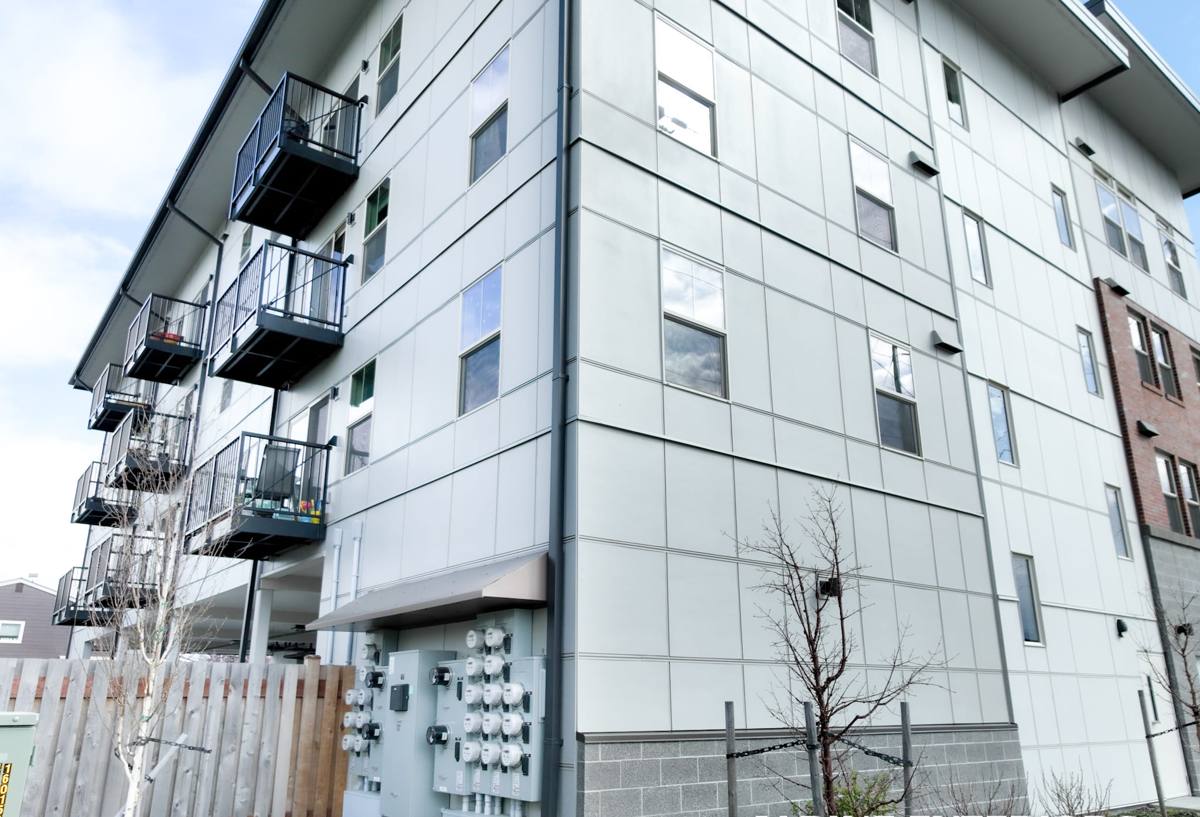
What Fiber Cement Brings to This Climate
Fiber cement siding is made from cellulose fiber, sand, and portland cement pressed into dense, engineered planks. That composition gives it several traits that matter directly for a home in Skycrest:
- It is non-combustible, which matters in a state where lightning and wildfire risk are both real considerations.
- It does not warp, rot, or attract wood-boring insects the way solid wood siding can, even with regular wind-driven rain exposure.
- It holds paint and factory finishes far longer than wood because it does not expand and contract with moisture the way wood does.
- It is dense and rigid enough to resist impact from wind-blown debris better than lighter-weight siding materials.
We install James Hardie fiber cement exclusively — not other fiber cement brands, and not vinyl, wood, or engineered wood siding. That is a deliberate standard, not a default. Hardie's HardieZone system includes a product line (HZ5) specifically engineered for humid, high-UV, storm-prone climates like ours, with a factory-applied ColorPlus finish that is baked on and warranted against fading in a way field-applied paint cannot match. When a product line exists that was built for exactly the conditions Skycrest homes face, that is what we put on the wall.
What a Correct Installation Actually Involves
Fiber cement siding is only as good as the installation behind it. In a wind and moisture environment like this one, a handful of details separate a job that lasts decades from one that fails early — and most of those details are invisible once the siding is up.
Fastening and Nailing Pattern
Hardie specifies exact nailing patterns, fastener types, and penetration depth for high-wind zones, and those specs get more conservative the closer a home is to open water. Under-driven or over-driven nails, wrong fastener spacing, or the wrong fastener material can all lead to boards working loose in sustained wind — long before the siding itself would have failed on its own.
Flashing and Moisture Management
Wind-driven rain does not fall straight down here — it gets pushed sideways into every gap, seam, and penetration. Correct installation means proper flashing at windows, doors, and roof intersections, a weather-resistant barrier behind the siding, and z-flashing or drip caps wherever horizontal trim meets a wall. Skip any of these and water finds its way behind the siding regardless of how good the siding itself is.
Clearances and Caulking
Hardie's own installation instructions call for specific clearances between siding and roof lines, decks, and grade — gaps that let water drain and materials dry out instead of wicking moisture. The right caulk in the right joints, applied correctly, keeps wind-driven rain from working its way behind board edges and around trim.
Cuts, Coatings, and Cut Edges
Every cut edge on a fiber cement board needs to be sealed with a touch-up product before installation, not left raw. Skipping this step is a common shortcut that leads to premature edge deterioration, especially with the humidity and rain exposure typical of a Gulf Coast summer.
Signs Your Skycrest Home's Siding Needs Attention
Skycrest has a mix of home ages, and older siding — whether it's original wood lap, aging vinyl, or aluminum — tends to show its wear in fairly consistent ways. Worth a closer look if you're seeing any of the following:
- Visible warping, buckling, or waviness along the wall plane, especially after a summer of heat and humidity
- Soft spots, cracking, or crumbling at the bottom edges of boards or around window and door trim
- Paint that is peeling or blistering repeatedly in the same spots, even after repainting
- Gaps opening up at seams, corners, or where siding meets trim
- Visible fastener heads popping out or streaking rust down the face of the siding
- A musty smell or soft drywall on interior walls that back up to exterior siding — a sign moisture has already gotten behind it
Any one of these on its own might just need a repair. Several together, especially on a home with older siding, usually means the assembly behind the siding has been taking on moisture for a while and a full replacement is the more honest recommendation.
How Fiber Cement Stacks Up Against Other Siding Options Here
Homeowners in Skycrest researching a siding replacement usually end up comparing fiber cement to vinyl, wood, and aluminum. Here's how they hold up under this specific climate's demands:
| Factor | Fiber Cement (Hardie) | Vinyl | Wood | Aluminum |
|---|---|---|---|---|
| Wind resistance | High — dense, rigid, rated for high-wind installation | Moderate — can crack or blow off in sustained gusts | Moderate, depends on fastening and condition | Can dent and deform in debris impacts |
| UV / fade resistance | Strong with factory ColorPlus finish | Fades and chalks over time in intense sun | Depends entirely on paint maintenance | Chalky fade is common over years |
| Moisture / rot resistance | Will not rot; engineered to shed and resist moisture | Won't rot, but seams can let water behind panels | Prone to rot and insect damage in humid climates | Won't rot, but seams and fasteners can corrode |
| Salt air durability | Holds up well; low corrosion risk | Generally stable but can become brittle | Finish breaks down faster near coastal air | Can pit and corrode over time |
| Typical lifespan here | Multiple decades when installed to spec | 15–25 years, varies with sun exposure | Shorter without diligent upkeep | 20–30 years, cosmetic wear earlier |
No siding material is maintenance-free in this climate. The differences show up in how much maintenance a product needs, and how gracefully it ages when that maintenance occasionally slips — which is where fiber cement has the clearest advantage.
Our Process for a Skycrest Siding Project
We approach every fiber cement project the same structured way, adjusted for the specific home:
- Inspection and assessment — we look at the existing siding, sheathing, and any signs of moisture intrusion before recommending a full tear-off versus a repair.
- Written estimate — a clear breakdown of scope, product line, color, and timeline, with no pressure to sign on the spot.
- Prep and tear-off — removing old siding, inspecting and repairing sheathing or framing where needed, and installing a proper weather-resistant barrier.
- Flashing and installation — installing Hardie siding to manufacturer spec for our wind zone, with correct fastening, flashing, and clearances at every penetration.
- Finish detail work — trim, caulking, and touch-up coating on every cut edge before the job is called complete.
- Final walkthrough — going over the finished work with the homeowner and addressing any punch-list items before we consider the job done.
What to Look for in a Skycrest Siding Contractor
Fiber cement is unforgiving of shortcuts, and a siding job that looks fine on install day can fail years later if it wasn't done to spec. Before hiring anyone for a siding project in this neighborhood, it's worth confirming:
- They carry current Florida contractor licensing and insurance, and can provide proof without hesitation
- They can explain the specific fastening and flashing approach they'll use for high-wind installation, not just "we'll install it correctly"
- They're familiar with Clearwater and Pinellas County permitting and inspection requirements for siding work
- They provide a written scope of work and product specification, not just a verbal quote
- They stand behind both the manufacturer's product warranty and their own installation workmanship
- They have experience specifically with fiber cement, not just siding in general — the installation details are different from vinyl or wood
Permits and Wind-Zone Requirements Here
Siding replacement in Clearwater and Pinellas County typically requires a building permit, and inspectors are checking for compliance with Florida's wind-load and moisture-barrier requirements — not just whether the siding looks right when it's done. A contractor who regularly pulls permits in this area knows what inspectors are looking for and builds the job to pass on the first try, which avoids delays and rework. This is one of the practical advantages of hiring a crew that already works in and around Skycrest rather than a company that treats every jurisdiction's requirements as an afterthought.
Caring for Fiber Cement Siding in This Climate
Fiber cement is low-maintenance, not no-maintenance. In Skycrest's climate, a bit of routine attention keeps it performing the way it's supposed to for the long haul:
- Rinse the siding periodically to clear salt residue, pollen, and mildew buildup, especially on north-facing walls that stay shaded and damp longer
- Keep an eye on caulked joints around windows, doors, and trim, and have any cracked or missing caulk replaced before rainy season
- Trim back landscaping so it isn't holding moisture against the siding or scraping the finish
- After major storms, do a quick visual check for cracked boards, loose fasteners, or damaged trim
If you're weighing a siding replacement for a home in Skycrest, we're happy to take a look and walk you through what we'd actually recommend — no pressure, no inflated scope. Use the form below to request a free estimate.