 Clearwater Window
 Building Decks in Skycrest: What the Site Actually Demands
Skycrest is one of Clearwater's older, established residential pockets — mature tree canopy, a mix of ranch homes and raised foundations, and lots that have seen decades of Gulf-side weather. A deck built here has to do more than look good on installation day. It has to survive a climate that works against wood, fasteners, and finishes from every direction: intense UV overhead, wind-driven rain sideways, salt-laden air that never really stops moving through Pinellas County, and the real chance of hurricane-force wind loading during storm season.
We build and repair decks throughout Skycrest and the surrounding Clearwater neighborhoods, and the lessons don't change much from block to block: shade patterns from established trees affect how a deck dries out after rain, older homes often have ledger and foundation conditions that need a closer look before attachment, and almost every yard has some combination of irrigation spray, humidity, and salt exposure working on the structure year-round. None of that means a deck in Skycrest needs to be over-built or unusually expensive — it means it needs to be built correctly for this specific environment, not built to a generic national spec and hoped to hold up.
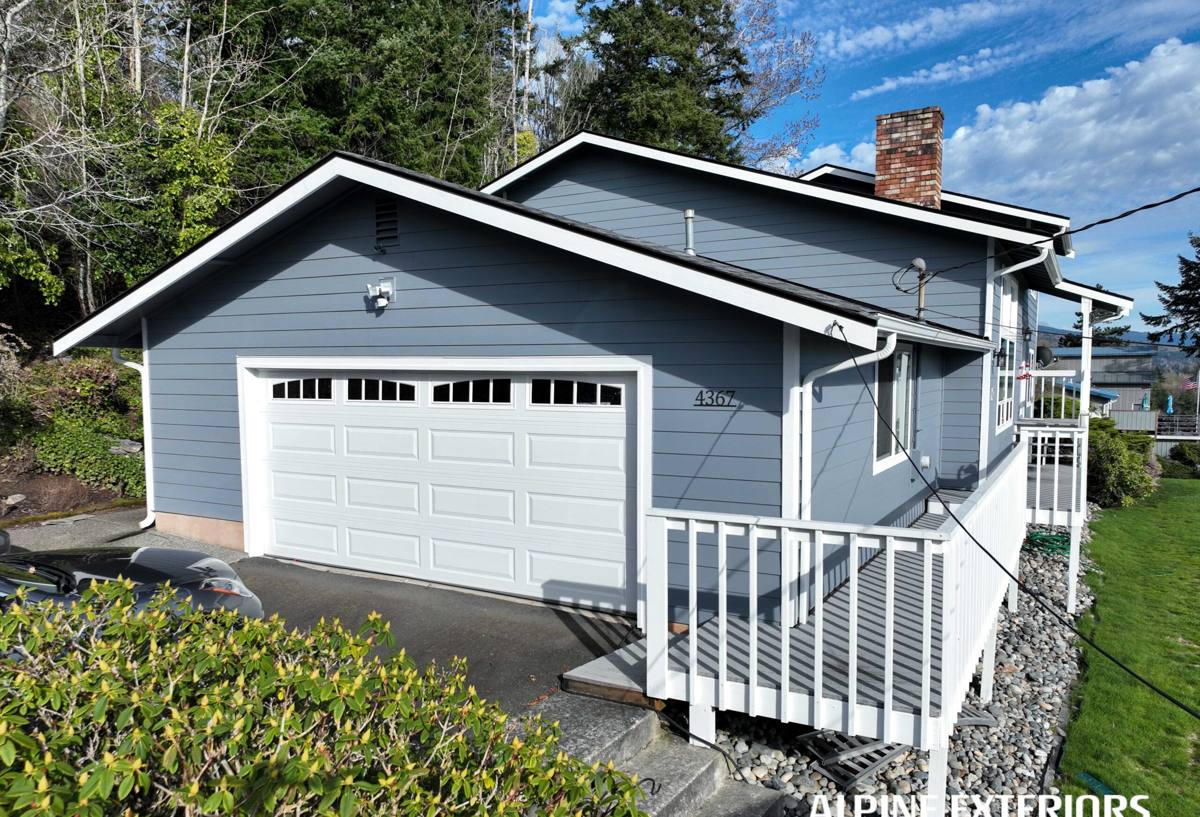
Why Generic Deck Construction Falls Short Here
A lot of deck problems we get called out to inspect trace back to a build that would have been perfectly fine in a drier, calmer climate. Undersized or non-rated fasteners corrode quietly under the decking where nobody sees them until a board finally gives. Ledger boards attached without proper flashing let water track into the house framing behind the siding. Joist hangers that aren't hot-dip galvanized or stainless start rusting within a couple of storm seasons in this air. None of these are dramatic failures at first — they're slow ones, and by the time they're visible, the fix is bigger than it needed to be.
The other half of the problem is wind. Florida Building Code has specific requirements for deck attachment, guardrail strength, and post connections in high-wind zones, and Pinellas County enforces them through the permitting and inspection process. A deck that isn't tied down correctly — post bases, hurricane straps, lateral load connectors — isn't just a code violation, it's a real risk in a storm. Building to code here isn't a formality; it's the difference between a deck that stays put and one that becomes debris.
What Correct Construction Looks Like
- Stainless steel or hot-dip galvanized fasteners and hardware throughout — no standard-coated screws or hangers that will surface-rust in salt air
- Properly flashed ledger board attachment with a moisture barrier between the ledger and the house structure
- Post bases and beam connections rated for the wind loads required in this part of Pinellas County
- Joist spacing and beam sizing matched to the actual decking material chosen, not a one-size-fits-all layout
- Guardrails and stair stringers built to current Florida Building Code height and spacing requirements
- Ventilated framing that lets the structure dry out between rain events instead of trapping moisture
Choosing the Right Decking Material for Skycrest Conditions
There's no single "best" decking material — there's a best material for a given budget, sun exposure, and maintenance appetite. UV load in Clearwater is intense nearly year-round, and that changes how different products age.
| Material | UV/Sun Behavior | Salt Air Behavior | Maintenance |
|---|---|---|---|
| Pressure-treated wood | Fades and can check/splinter without regular sealing | Fasteners are the weak point — must be corrosion-rated | Annual cleaning, re-sealing every 1-2 years |
| Composite decking | Holds color well; premium lines resist fading better than budget lines | Handles salt air well; hardware still needs to be corrosion-rated | Periodic washing, no sealing or staining |
| PVC decking | Very stable in direct sun; minimal fading over time | Excellent — doesn't absorb moisture or salt | Lowest maintenance of the three; higher upfront cost |
We'll walk through these trade-offs honestly during an estimate rather than push whatever has the best margin. Pressure-treated wood is still a sound, cost-effective choice for a lot of Skycrest homes as long as it's maintained on schedule. Composite and PVC cost more upfront but trade ongoing maintenance for material durability — the right call depends on how much sealing and staining you actually want to do a few years from now.
Our Process, Start to Finish
1. On-Site Assessment
We look at the attachment point on the house, the grade and drainage of the yard, existing tree cover and shade patterns, and any signs of prior moisture damage before we ever talk materials. On older Skycrest homes, this step often catches ledger or foundation conditions that need addressing before a deck can be safely attached.
2. Design and Material Selection
We size the deck to the space, discuss decking material trade-offs against your budget and maintenance preference, and plan railing, stairs, and any built-in features. Layout decisions here also account for drainage and airflow underneath the structure.
3. Permitting
Deck construction in Clearwater and unincorporated Pinellas County requires a permit and inspection. We handle the permit submission and coordinate the required inspections so the finished structure is legally documented — which matters for insurance and for resale down the line.
4. Construction
Footings and post bases go in first, sized and placed for the load and wind requirements of the design. Framing follows with corrosion-rated hardware throughout, then decking, railing, and stairs. We don't skip steps to compress the schedule.
5. Final Walkthrough
Before we consider a job finished, we walk the deck with you — checking that railings are solid, stairs are even, fasteners are properly set, and the finished structure matches what was designed and permitted.
Maintenance That Actually Matters in This Climate
The single biggest factor in how long a Skycrest deck lasts isn't the initial build quality — it's what happens (or doesn't) after that. A few habits go a long way in this climate:
- Rinse off salt residue and organic debris every few weeks, especially after storms
- Check fastener heads and hardware once or twice a year for early rust or loosening
- Re-seal wood decking on the schedule the product requires — don't wait until it visibly fades
- Keep gutters and downspouts clear so runoff isn't dumping extra water onto or under the deck
- Trim back tree limbs that keep sections of the deck perpetually shaded and damp
- After any named storm, do a quick visual check of posts, railings, and stair connections
Repairs, Rebuilds, and Aging Decks
Not every project in Skycrest is new construction. Plenty of homes here have decks that are structurally sound but showing their age — worn boards, loosening railings, or hardware that's starting to corrode. We assess these on their own merits: sometimes a targeted repair (replacing boards, hardware, or a section of framing) is the right call, and sometimes the underlying structure has enough wear that a rebuild is the more honest long-term recommendation. We'll tell you which situation you're actually in rather than defaulting to the more expensive answer.
Why a Crew That Already Works Skycrest Matters
There's a real advantage to hiring a contractor already familiar with this neighborhood and this part of Clearwater. We already know the typical foundation and ledger conditions found on Skycrest's older homes, we're familiar with the Pinellas County permitting process for deck work, and we understand how tree cover and lot drainage in this area affect a deck's long-term performance. That familiarity shortens the assessment phase and reduces the chance of surprises mid-project — because we've already seen the version of that surprise on a job down the street.
It also means we're not disappearing after the final inspection. Being a local crew, we're positioned to come back for hardware checks, board replacements, or storm-related follow-up years down the line, not just for the initial build.
What to Ask Before Hiring Anyone for Deck Work
Whoever you hire for deck construction in this area, a few questions will tell you a lot about whether they're building for this climate or just building:
- Do you pull permits and coordinate inspections, or is that left to the homeowner?
- What fastener and hardware grade do you use, and is it rated for coastal/salt-air exposure?
- How is the ledger board flashed and sealed against the house?
- What wind-load and guardrail specs does the design meet, and how does that map to Florida Building Code?
- Do you offer a written warranty on the workmanship, separate from the material manufacturer's warranty?
If a contractor can't answer these clearly and specifically, that's worth noting before you sign anything.
If you're planning a new deck or need an honest look at one that's aging in Skycrest, we're happy to come take a look. Reach out for a free, no-pressure estimate using the form below — we'll walk the site, talk through material options, and give you a straight answer on what the job actually needs.