 Clearwater Window
 Siding Replacement in Skycrest: Built for What Clearwater's Climate Does to a Wall
Skycrest is one of Clearwater's established neighborhoods, and like most of Pinellas County, it sits close enough to the Gulf and Tampa Bay that every exterior surface takes on real weather stress year-round. Homes here run across a range of ages and original construction types, and a lot of them are carrying siding that was never engineered for what this climate actually does over a full service life. Siding replacement in Skycrest isn't a cosmetic project — it's a decision about what's going to stand between the house and hurricane-force wind events, near-constant subtropical UV, wind-driven rain, and salt-laden air for the next several decades.
We install James Hardie fiber cement siding exclusively, in Skycrest and everywhere else we work in the Clearwater area. That's a professional standard we settled on after years of tear-offs and service calls, not a brand we picked off a supplier list because it was convenient.
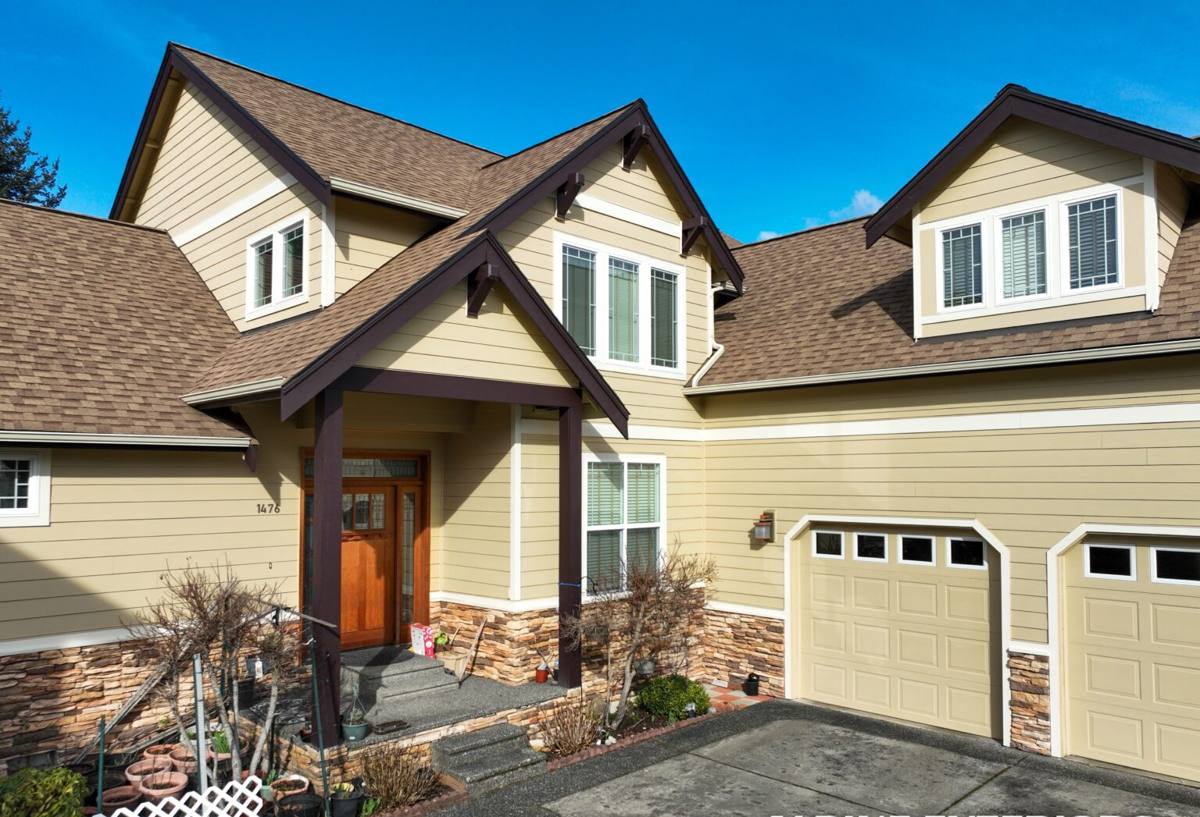
What Skycrest Homes Need From a Siding Replacement
A Mix of Home Ages and Original Siding
Like much of Clearwater, Skycrest has a blend of older block construction and newer or updated homes, and the original exterior cladding varies accordingly. Some houses carry old wood or early-generation siding products that were never rated for sustained coastal exposure. Others have aging vinyl or engineered wood panels that are past the point where routine maintenance can keep them watertight. Whatever the starting point, a replacement done for this climate has to be evaluated on its own — not just swapped panel-for-panel with whatever's already up there.
A Wall System, Not Just a Facade
Siding is the visible layer, but it's only one part of a wall assembly that includes the sheathing, the water-resistive barrier, flashing at every penetration and transition, and the fasteners holding it all together. A correct replacement treats all of that as one connected system. Replacing worn siding over sheathing that's already compromised, or over a house wrap that's failed, just resets the clock on a problem instead of solving it.
What Pinellas County's Climate Does to Siding
Hurricane-Force Wind Events
Clearwater sits inside Florida's wind-borne debris region under the Florida Building Code, which means exterior building products, including siding, have to meet wind pressure and impact standards well beyond what most of the country designs for. Wind doesn't just push against a wall during a storm — it creates pressure differentials that can pull panels loose at the edges and corners if the fastening pattern and clearances weren't done to spec. A siding system that looks fine in calm weather can fail specifically at the moment it's tested hardest.
Intense, Year-Round UV
Florida's subtropical sun is a constant load, not a seasonal one. Lower-grade siding finishes, especially field-applied paint on wood-based or engineered wood products, chalk, fade, and become brittle years before a homeowner expects to repaint. UV breakdown also weakens caulking and sealant at joints, which is often where water intrusion starts even though the failure began as a sun problem.
Wind-Driven Rain
Rain in this region rarely falls straight down, especially during the tropical systems and seasonal storms that move through the Gulf Coast. Wind pushes it sideways into lap joints, trim, and any gap in the water-resistive barrier. A siding installation that would perform fine under a simple annual rainfall number can still fail here because the water load comes from the side, not just from above, and it tests every seam and flashing detail on the wall.
Salt Air
Skycrest's proximity to the Gulf and Tampa Bay means homes here get a steady dose of salt-laden air even without being directly waterfront. Salt accelerates corrosion in fasteners, flashing, and hardware, and it degrades lower-grade finishes faster than a drier, inland climate would. Any siding replacement in this part of Clearwater has to account for corrosion resistance in the hardware as much as the panel material itself.
Why We Only Install James Hardie Fiber Cement Siding
We used to install a broader range of siding products. We narrowed to one system because what we kept finding on tear-offs and service calls in this exact climate made the decision for us.
- Non-combustible core: Fiber cement doesn't feed a fire the way wood-based or wood-fiber siding products can, which matters for household safety and can factor into insurance underwriting in Florida's coastal counties.
- Factory-applied ColorPlus finish: The color is baked on under controlled factory conditions, not brushed on in the field, so it resists Florida's UV load and coastal moisture far longer than site-applied paint.
- HZ10 climate engineering: James Hardie's HZ10 formulation is built specifically for warm, humid, high-moisture regions like the Gulf Coast, as opposed to the freeze-thaw formulations used farther north.
- Dimensional stability: Fiber cement doesn't swell, cup, or warp the way engineered wood siding can after repeated humidity and moisture cycling.
- Strong transferable warranty: Hardie backs its products with a robust warranty structure, provided the installation follows manufacturer spec.
We won't install LP SmartSide, vinyl siding, Cemplank, Allura, primed spruce, or cedar. Each has a legitimate place in the market and plenty of satisfied owners elsewhere. But given what sustained hurricane-force wind, UV, wind-driven rain, and salt air do to a wall in Pinellas County, we made a professional call that one system we can fully stand behind is worth more than a lower-cost option that quietly shifts maintenance risk onto the homeowner over the next ten or twenty years.
What a Correct Siding Replacement Involves
Material choice is only half the equation — the other half is installation detail, and it's where most premature siding failures actually start.
- Full tear-off and sheathing inspection: Old siding comes off completely so the sheathing underneath can be checked for rot, delamination, or storm damage before anything new goes up.
- Water-resistive barrier: A correctly lapped and sealed house wrap goes on before siding, giving the wall a second line of defense if water ever gets past the cladding.
- Flashing at every transition: Windows, doors, roof lines, and any wall penetration need flashing detailed so water sheds outward rather than working its way behind the siding.
- Correct fastening pattern and clearances: Hardie specifies exact nailing patterns and minimum clearances from grade, roofing, and other surfaces; skipping those is one of the most common causes of early failure and voided warranties.
- Properly lapped and sealed joints: Panel and trim joints have to be installed and caulked to manufacturer spec so wind-driven rain can't work its way in sideways.
Our Siding Replacement Process in Skycrest
The steps don't change much from house to house, but the details at each one do, depending on the home's age, current siding, and exposure.
- On-site assessment: We walk the exterior, check the current siding and any visible sheathing or moisture issues, and talk through what's driving the replacement.
- Product and color selection: We go over Hardie's plank, shingle, and panel options along with the ColorPlus palette so the finished home fits the neighborhood and the homeowner's preference.
- Permitting: Siding replacement in Clearwater requires a permit, and we handle that process along with confirming the project meets current Florida Building Code wind requirements for this location.
- Tear-off and sheathing repair: Old material comes off, sheathing is inspected, and any damaged sections are repaired or replaced before moving forward.
- House wrap, flashing, and installation: The water-resistive barrier goes on, flashing is detailed at every transition, and Hardie siding is installed to the manufacturer's fastening and clearance specifications.
- Final walkthrough and cleanup: We inspect the completed work with the homeowner and clear the site of old material and debris.
Cost Factors in a Skycrest Siding Replacement
Every home is priced individually after an on-site look, but the same handful of factors drive most of the variation from one Skycrest project to the next.
| Factor | How It Affects the Project |
|---|---|
| Home size and wall complexity | More square footage, corners, and roof lines mean more material and more labor-intensive flashing and cutting. |
| Condition of existing sheathing | Rot or storm damage found during tear-off adds repair work before new siding can go up correctly. |
| Siding profile chosen | Lap, shingle, and panel styles differ in material and installation time; more intricate profiles take longer to install correctly. |
| Trim and accent work | Window and door trim, fascia, and soffit details add labor beyond the flat wall area. |
| Access and site conditions | Tight lot lines, landscaping, or two-story sections can affect staging, scaffolding, and overall labor time. |
Why Hiring a Crew That Already Works in Skycrest Matters
A siding crew that already knows Clearwater and Pinellas County brings more to a Skycrest project than a general contractor working outside their normal service area. That includes a working relationship with the City of Clearwater's permitting process, a clear understanding of the wind-borne debris region requirements that apply to every home in this part of the county, and firsthand experience with how the mix of older and newer homes in this neighborhood tends to be built underneath the surface. It also means faster response if a homeowner has a follow-up question or a warranty concern after the job is done, instead of chasing down a crew that only passed through once.
Local experience also shows up in the small decisions that don't get written into a contract: which corners of a Skycrest home tend to catch the worst wind-driven rain, how much clearance a particular lot's landscaping and grading demands, and what finish choices actually hold their color under this much sun. None of that replaces manufacturer specifications, but it's the difference between an installation that technically meets code and one that's genuinely built for the block it's on.
Signs Your Skycrest Home May Need Siding Replacement
- Visible cracking, warping, or buckling in siding panels
- Soft or spongy spots when you press on the siding or the wall behind it
- Paint that's chalking, peeling, or fading noticeably faster than it used to
- Persistent moisture, staining, or mildew streaks that return after cleaning
- Gaps opening up at seams, corners, or trim boards
- Rising energy bills that suggest the wall assembly is no longer sealing properly
- Visible rust streaking from fasteners or hardware
- Storm damage — cracked, missing, or dislodged panels after a wind event
If your home in Skycrest is showing any of these signs, or if you're just planning ahead for a siding replacement built for what this climate actually does to a wall, we're glad to take a look. Reach out for a free, no-pressure estimate — there's a form right below to get started.