 Clearwater Window
 Why Seminole Roofs Wear Out Faster Than the National Average
Seminole sits on the Gulf side of Pinellas County, close enough to the water that salt-laden air reaches almost every home in the community, not just the ones directly on the coast. That salt air corrodes fasteners, degrades sealants, and accelerates granule loss on asphalt shingles years ahead of the manufacturer's published timelines. Layer on the rest of the local climate — sustained hurricane-force wind gusts during the June-through-November storm season, punishing UV exposure nearly every day of the year, and the kind of wind-driven rain that finds every gap in flashing or underlayment — and it's easy to see why a "20-year" roof in Seminole often needs real attention well before year 20.
None of that means a new roof here has to be a recurring headache. It means the roof has to be built for these specific conditions from the deck up, not installed the same way it would be in a drier, calmer climate. That distinction — building for Pinellas County's actual weather instead of a generic install — is the whole point of this page.
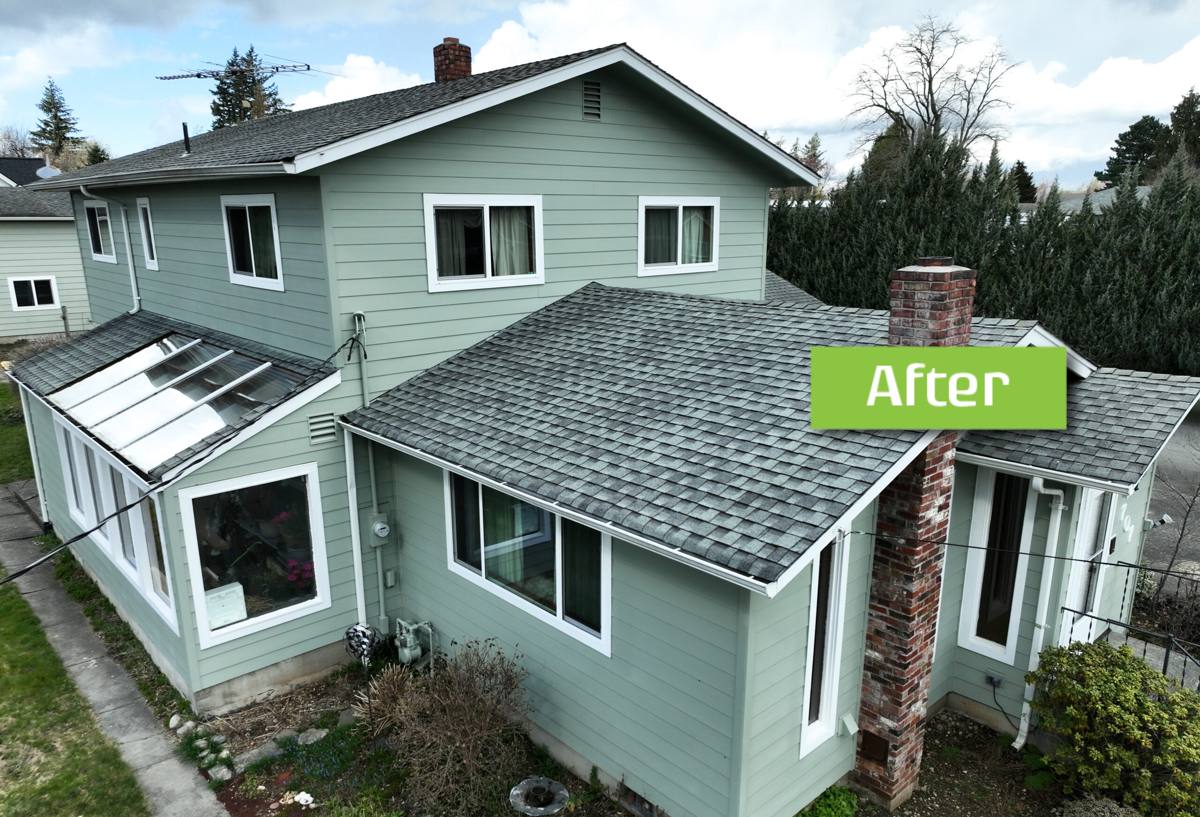
What a Correctly Installed New Roof Actually Involves
A new roof is more than shingles nailed to a deck. Done right, it's a system, and every layer matters as much as the material on top.
The Layers Homeowners Rarely See
- Deck inspection and repair — every sheet of decking gets checked for rot, delamination, or soft spots once the old roof is off; damaged sections get replaced before anything new goes down.
- Underlayment — a synthetic or self-adhering underlayment rated for wind-driven rain, since Gulf Coast storms rarely arrive as gentle, straight-down rainfall.
- Flashing — new flashing at every roof-to-wall transition, valley, chimney, and vent penetration; reused old flashing is one of the most common causes of early leaks.
- Ventilation — proper intake and exhaust venting so the attic doesn't cook shingles from underneath during Florida summers.
- Fastening pattern — nailing schedules matched to Florida's high-wind requirements, not the minimum pattern used in calmer states.
Skip any one of these and the visible shingles can look fine for a while even as the roof underneath is already failing.
Choosing the Right Roofing System for a Seminole Home
Most Seminole homes are candidates for one of three roofing systems. Each has real trade-offs — there's no single "best" choice for every house, only the best fit for a given budget, roof shape, and how long the homeowner plans to stay.
| Roofing System | Typical Lifespan | Wind Performance | Upfront Cost | Maintenance |
|---|---|---|---|---|
| Architectural asphalt shingle | 20-30 years | Good, with proper nailing and sealant strips | Lowest | Periodic inspection; moderate |
| Standing seam metal | 40-50+ years | Excellent when properly fastened | Highest | Low; occasional fastener/seam checks |
| Concrete or clay tile | 40-50+ years | Very good; heavy and wind-resistant when installed correctly | High | Moderate; watch for cracked or slipped tiles |
Asphalt shingle remains the most common choice in Seminole because it balances cost and performance well for most homeowners. Metal and tile cost more up front but spread that cost over a much longer roof life, which matters for anyone planning to stay in the home for decades rather than a few years.
Our New Roof Installation Process, Start to Finish
1. Inspection and Honest Estimate
We walk the roof, check the attic for existing damage or ventilation problems, and give a written estimate that reflects what your specific roof needs — not a generic per-square price that gets adjusted upward once tear-off starts.
2. Permitting
New roof installations in Pinellas County require a building permit and inspection. We handle the permit application and schedule the required inspections so the job stays compliant from day one.
3. Material Delivery and Site Protection
Materials are staged, landscaping and structures near the home are protected, and a plan is set for debris containment before a single shingle comes off.
4. Tear-Off and Deck Inspection
The old roofing system comes off down to the deck, which gets inspected and repaired as needed. This is the point where hidden problems — rot, prior water damage, undersized decking — get caught and fixed instead of covered up.
5. Dry-In and Weatherproofing
Underlayment and flashing go on the same day the deck is exposed whenever possible, so an afternoon storm doesn't turn into interior water damage.
6. Final Installation
Shingles, metal panels, or tile go on to manufacturer specifications and Florida's wind-resistance requirements, followed by ridge, vent, and trim work.
7. Inspection and Cleanup
The job passes the required county inspection, and the property gets a thorough cleanup, including a magnetic sweep for stray nails.
Permits, Wind Mitigation, and Insurance in Pinellas County
Pinellas County is not part of Florida's official High-Velocity Hurricane Zone (that designation applies to Miami-Dade and Broward counties), but it still falls under the Florida Building Code's high-wind provisions, which require enhanced fastening, secondary water barriers in many cases, and code-compliant flashing details. A new roof also gives homeowners the opportunity to get a fresh wind mitigation inspection, which documents features like roof shape, roof-to-wall connections, and secondary water barrier — details that can lower windstorm insurance premiums. We provide the documentation needed to support that inspection once the new roof is complete.
Signs a Seminole Home Needs a New Roof, Not Another Repair
Repairs make sense for isolated damage. A full replacement makes more sense once a roof is failing broadly. Watch for:
- The roof is at or past the expected lifespan for its material
- Shingles are curling, cracking, or losing granules across large sections, not just one spot
- Daylight is visible through the roof deck from inside the attic
- Sections of the roof feel soft or spongy when walked on
- The same areas keep leaking again after repeated repairs
- Your insurer flags the roof's condition or age at renewal
- A recent storm left missing shingles, exposed underlayment, or damaged flashing over a wide area
If more than one or two of these apply, a new roof is almost always the more cost-effective path over the next several years than continuing to patch an aging system.
Cost Factors for New Roof Installation in Seminole
Every roof is priced individually, but the same handful of factors drive most of the variation homeowners see between estimates.
| Factor | Why It Matters |
|---|---|
| Roof size and complexity | More squares, valleys, hips, and penetrations mean more material and labor |
| Existing layers | Removing multiple old layers of roofing adds tear-off time and disposal cost |
| Deck condition | Rotted or undersized decking found during tear-off requires replacement before install |
| Material selection | Asphalt, metal, and tile carry very different material and labor costs |
| Pitch and access | Steep or hard-to-access roofs require more safety equipment and time |
We break these factors out in every estimate so homeowners understand exactly what they're paying for, rather than receiving a single lump number.
Why a Crew That Already Works Seminole Matters
A roofing crew that regularly works in Seminole already understands the county's permitting process, the pace of local inspections, and the kind of roofing systems that hold up best against this specific stretch of Gulf Coast weather. That familiarity shows up in fewer surprises during the job — permit delays, inspection scheduling issues, and material mismatches are far less common when a crew has already done the work down the street. It also matters after a storm: a contractor already established in the area can respond faster than one traveling in from farther away, which counts for a lot when a damaged roof needs attention before the next system rolls through.
Maintaining a New Roof in Seminole's Sun and Salt Air
A properly installed roof still needs basic upkeep to reach its full lifespan in this climate. Keep gutters and downspouts clear so water doesn't back up under shingles. Have the roof looked at after any named storm, even if there's no obvious damage from the ground. Avoid pressure washing shingles, which can strip granules and shorten their life — softer cleaning methods exist for algae staining. Keep attic vents clear of debris and insulation so the ventilation system installed with the new roof can actually do its job. A brief professional inspection every year or two catches small issues — a lifted shingle tab, a cracked pipe boot — while they're still a five-minute fix instead of an interior repair.
If your Seminole home is due for a new roof, or you'd just like an honest read on how much life is left in the one you have, we're happy to take a look. Reach out for a free, no-pressure estimate — no hard sell, just a clear picture of your options.