 Clearwater Window
 Board & Batten Siding for Seminole Homes
Board and batten has become one of the most requested siding profiles in Seminole over the past several years, and it's easy to see why. The vertical lines read as clean and modern on newer builds, but the profile also has deep roots in Florida coastal architecture, so it looks just as at home on a classic ranch near the Seminole waterways as it does on a newly built two-story. The look is straightforward: wide flat boards with narrower battens covering the seams, run vertically instead of the horizontal lap most Pinellas County homes have worn for decades.
What most homeowners don't realize until they start researching is that board and batten is less forgiving of a bad installation than standard lap siding. The vertical seams, the batten-to-board fastening, and the way water is meant to shed down the wall all depend on details being done correctly the first time. In a climate like ours, getting those details wrong doesn't just look bad — it shortens the life of the siding by years.
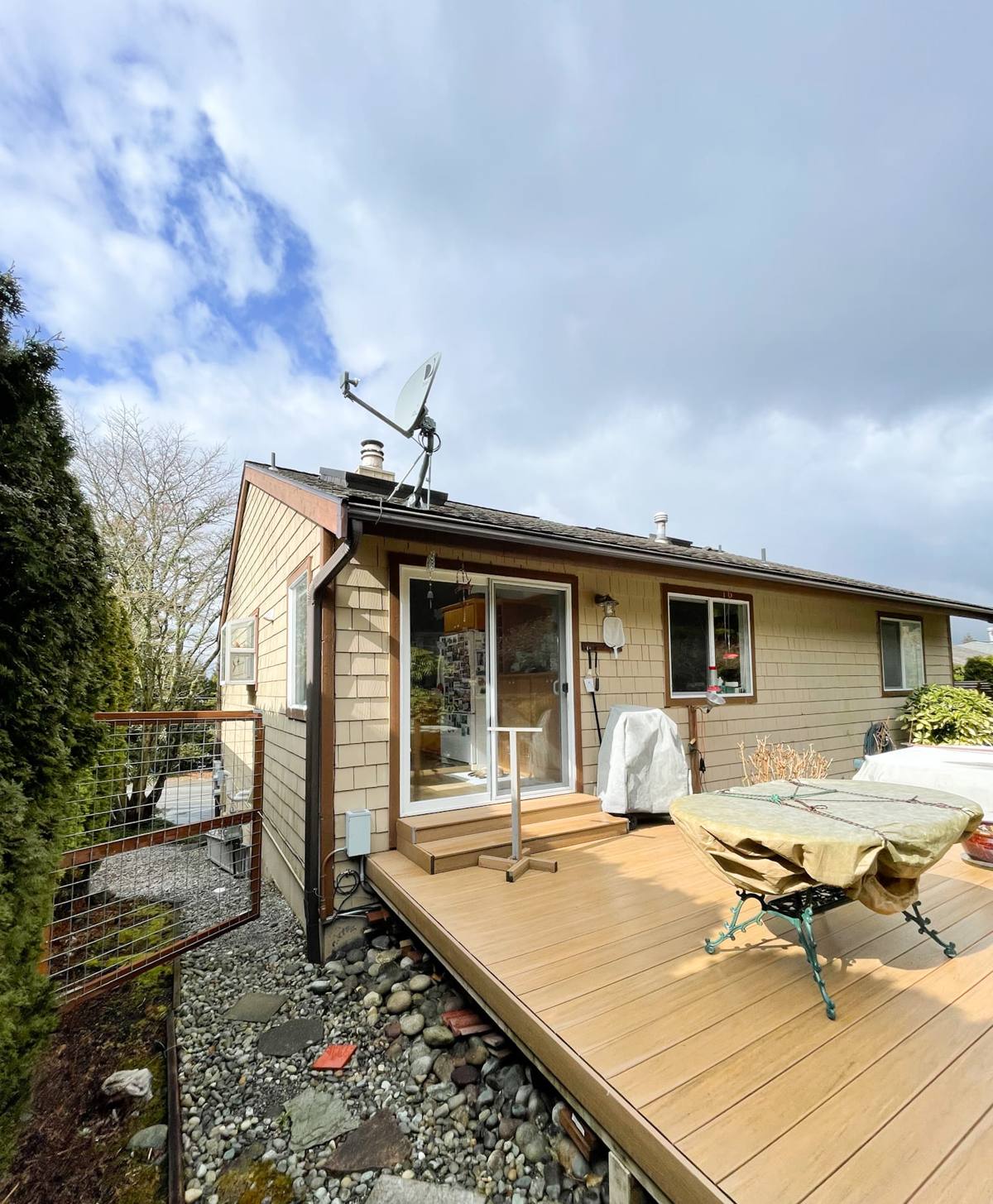
What Seminole's Climate Demands From This Profile
Seminole sits close enough to the Gulf and Intracoastal that salt-laden air is a constant, even on homes that aren't waterfront. Add in Pinellas County's summer humidity, near-daily UV exposure, and the wind-driven rain that comes with our seasonal storms and hurricane threats, and you have a set of conditions that will find every weakness in a siding system.
- Wind-driven rain: Board and batten has more vertical seams than lap siding, and every seam is a potential entry point if the batten spacing, fastening, and flashing aren't done to spec.
- UV exposure: Florida sun is hard on paint. A factory finish that's engineered to resist UV fade matters more here than in almost any other part of the country.
- Salt air: Airborne salt accelerates corrosion on fasteners and degrades lower-quality substrates over time, particularly on homes within a few miles of the water.
- Humidity and moisture cycling: Florida's wet-dry cycles mean siding material needs to hold its shape and resist swelling, cupping, or rot far more consistently than in drier climates.
None of this means board and batten is a bad choice for Seminole — it means the material and the installation both have to be matched to the climate, not just to the look.
Why We Only Install James Hardie Board & Batten
We install James Hardie fiber cement exclusively, and board and batten is a good example of why. We don't install vinyl board and batten, engineered wood options like LP SmartSide, or primed wood battens, and we're upfront with homeowners about the trade-offs that led to that standard.
Vinyl board and batten is inexpensive and low-maintenance in mild climates, but it's a plastic product that softens and can warp in direct, sustained Florida heat, and it becomes brittle with age and UV exposure — a real concern on a profile with more flat, sun-facing surface area than lap siding. Wood and wood-composite battens can look excellent when new, but they require an ongoing paint and caulk maintenance schedule to keep moisture out of the seams, and Seminole's humidity gives rot and swelling every opportunity to find a gap in that maintenance.
James Hardie fiber cement is dimensionally stable — it doesn't expand and contract with humidity the way wood does, and it doesn't soften or warp in heat the way vinyl can. It's also non-combustible, which matters to insurers and to homeowners thinking long-term. Hardie's ColorPlus factory finish is baked on and warranted against fading and peeling, which takes a lot of the maintenance burden off a homeowner in a market where UV does real damage to painted surfaces. For coastal work, Hardie's HZ5 product line is engineered specifically for higher-moisture, higher-humidity climates like ours.
What a Correct Board & Batten Installation Involves
Board and batten looks simple from the curb, but the assembly underneath is more involved than lap siding, and shortcuts show up as callbacks within a few years. A correct installation includes:
Water Management First
Before any board goes up, the wall needs a proper water-resistive barrier and correctly lapped flashing at every window, door, and penetration. Board and batten relies on this layer more than lap siding does, because the vertical boards create more seams for wind-driven rain to test.
Correct Fastening and Batten Spacing
Hardie's installation instructions specify fastener type, spacing, and placement, and battens have to be spaced and fastened so they cover the board seams without trapping moisture behind them. Battens fastened directly through both layers without accounting for movement and drainage are a common source of problems on rushed jobs.
Clearances That Actually Get Followed
Siding needs proper clearance from grade, roof lines, decks, and other flatwork so water can't wick up into the material. This is one of the most commonly skipped details on siding jobs generally, and it's an easy one to check on a finished installation if you know to look for it.
Caulking and Sealant Only Where It Belongs
Hardie's system is engineered to shed water through overlaps and flashing, not through caulk. Over-caulking a board and batten installation is a red flag — it usually means the water management underneath wasn't done correctly and the crew is compensating with sealant that will eventually fail.
Our Process for a Seminole Board & Batten Project
| Step | What Happens |
|---|---|
| On-site assessment | We inspect existing siding, sheathing, and problem areas specific to the home's exposure and orientation. |
| Product and color selection | Homeowner selects board width, batten spacing, and ColorPlus finish based on the home's style and HOA or neighborhood expectations. |
| Tear-off and substrate check | Old siding is removed and the sheathing underneath is inspected and repaired if needed before anything new goes on. |
| Water-resistive barrier and flashing | New house wrap and flashing are installed at every window, door, and penetration point. |
| Board and batten installation | Boards and battens are fastened to Hardie spec with correct clearances and spacing. |
| Final inspection and walkthrough | We walk the finished job with the homeowner and confirm every detail before calling it complete. |
Board & Batten vs. Other Siding Profiles
| Factor | Board & Batten (Hardie) | Lap Siding (Hardie) | Vinyl Board & Batten |
|---|---|---|---|
| Coastal wind/rain performance | Strong, when installed to spec | Strong, fewer vertical seams | Weaker; seams and fasteners more exposed over time |
| UV/heat stability | Excellent — dimensionally stable | Excellent | Can soften, warp, or fade in sustained heat |
| Maintenance | Low — factory finish, no painting cycle | Low | Low upfront, but brittleness increases with age |
| Look | Modern or coastal, strong shadow lines | Traditional | Modern look, less substantial feel |
Cost Factors for a Seminole Project
Board and batten pricing depends on more than square footage. Homeowners researching quotes should expect these factors to move the number:
| Factor | Why It Matters |
|---|---|
| Home size and wall complexity | More corners, gables, and dormers mean more cuts and labor. |
| Substrate condition | Rotted or damaged sheathing found during tear-off adds repair cost before new siding goes on. |
| Board width and batten spacing | Wider battens and custom spacing patterns take more material and labor than a standard layout. |
| Trim and accent work | Corner boards, window trim, and accent details around entries add to the scope. |
| Access and site conditions | Second-story sections, tight lot lines, and landscaping can affect labor time. |
We give straightforward, itemized estimates so homeowners can see exactly what's driving the number rather than a single lump sum.
Why It Matters That We Already Work in Seminole
A crew that regularly works Seminole and the surrounding Pinellas County area already understands the wind exposure differences between an inland lot and one closer to open water, knows how local building departments handle siding permits and inspections, and has seen firsthand which installation shortcuts fail first in this climate. That local pattern recognition is hard to substitute with a crew coming in from outside the area for one job. It also means faster response if a warranty question or minor issue comes up after the install — we're not driving in from across the state.
Keeping Board & Batten Siding Performing in Seminole
Correctly installed James Hardie board and batten needs very little upkeep, but a short annual check helps catch small issues before they become expensive ones.
- Rinse salt residue and grime off the siding periodically, especially on homes closer to the water.
- Walk the exterior after major storms and look for loose battens, cracked boards, or gaps at trim.
- Keep an eye on caulking at windows and doors — it should stay minimal and intact, not cracked or peeling.
- Trim landscaping back from the siding so foliage isn't holding moisture against the wall.
- Confirm gutters and downspouts are directing water away from the base of the siding, not down the wall face.
If you're weighing board and batten for a Seminole home and want a straight answer about what it'll take and what it'll cost, we're glad to walk the property with you. The estimate is free, there's no pressure, and you'll leave with real numbers instead of guesswork — just use the form below to get started.