 Clearwater Window
 Roof Replacement for Harbor Oaks Homes
Harbor Oaks sits close to Clearwater Harbor, which means its homes take a different kind of beating than houses further inland. Between the salt-laden air rolling off the water, the mature tree canopy that shades many of the neighborhood's older lots, and the full brunt of Gulf storm systems, roofs here work harder than the manufacturer's warranty paperwork usually accounts for. We replace roofs throughout this part of Clearwater and know what actually fails first on homes in this specific setting versus what holds up.
This page covers roof replacement specifically — not general repair — for Harbor Oaks and the immediately surrounding streets. If your roof is past patching and you're weighing a full replacement, this is what we look at, what we recommend, and how we run the job.
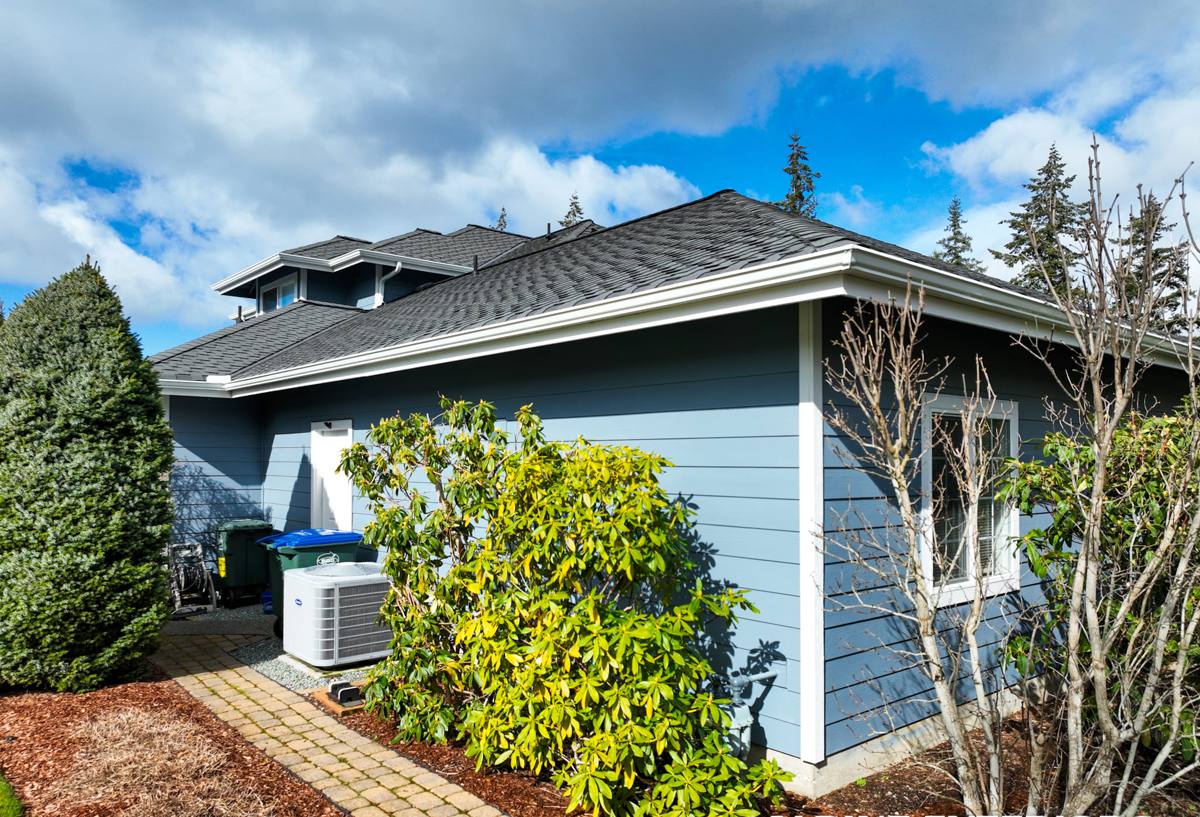
What Clearwater's Climate Does to a Roof
Pinellas County roofs are under constant, layered stress. It's rarely one factor that ends a roof's service life — it's the combination.
Hurricane and Tropical Storm Winds
Wind-driven uplift is the number one cause of catastrophic roof failure in this area. It's not always a direct hurricane hit — tropical storm bands and seasonal squalls generate sustained gusts strong enough to peel back shingles, lift ridge caps, and work fasteners loose over several seasons before a full failure happens in one bad afternoon.
Year-Round UV Exposure
Florida's sun angle and day length mean roofing materials here take far more cumulative UV exposure annually than the same product would see in most of the country. UV breaks down asphalt shingle oils and accelerates granule loss, which is usually the first visible sign a roof is aging out.
Wind-Driven Rain
It's not just how much rain falls — it's the angle it hits at. Wind-driven rain finds weaknesses that a straight-down downpour never would: lifted shingle tabs, marginal flashing, and underlayment laps that were installed a little too tight to code.
Salt Air
Harbor Oaks' proximity to the water means salt content in the air is higher than it is a few miles inland. Salt accelerates corrosion on exposed metal — nails, flashing, vent boots, and drip edge — which is often what fails on a roof well before the shingles themselves are done.
Why Harbor Oaks Specifically Needs Careful Handling
Established Tree Canopy
Many Harbor Oaks lots have mature, established trees that provide shade and character — but that canopy also means more debris on the roof deck, more moisture retention in shaded valleys, and organic buildup that ages shingles faster than a roof baking in full open sun. A roof crew that hasn't worked under this kind of canopy before can miss how much attention shaded valleys and low-slope sections need.
Older Homes, Layered History
Harbor Oaks is one of Clearwater's more established, older neighborhoods, and homes here often carry decking, framing, or prior roofing work from a different era of building code. A correct replacement starts with an honest look at what's actually under the existing roofing — not just an assumption that the deck below is in replacement-ready condition.
Harbor Proximity
Being close to the water isn't just an aesthetic — it's a maintenance factor. Salt exposure means fastener and flashing material choice matters more here than it does on an inland lot a few miles away.
Signs It's Replacement Time, Not Repair Time
Not every roof problem calls for a full tear-off. Here's the honest line we draw:
- Granule loss is widespread across multiple slopes, not just one patch
- Shingles are curling, cupping, or cracking in more than a few spots
- You've had two or more storm-related repairs in the last three years
- Decking is soft, spongy, or shows staining in the attic after rain
- The roof is at or past 18-20 years old for asphalt shingle, even if it "looks fine" from the ground
- Your insurer is requiring a roof certification and the roof won't pass
- Flashing and vent boots are cracked or rusted at multiple penetrations
If only one or two of these apply and the deck is sound, targeted repair is often the honest recommendation — we'll tell you that on the estimate visit rather than push a replacement you don't need yet.
Materials That Perform in This Climate
We install what holds up under Pinellas County conditions, not just what's cheapest to install. Here's how the common options compare for a Harbor Oaks home:
| Material | Wind Performance | UV/Salt Durability | Maintenance |
|---|---|---|---|
| Architectural asphalt shingle | Good, with proper high-wind fastening and sealant strip | Moderate — granule loss is the main aging factor | Low; periodic inspection after storms |
| Standing seam metal | Excellent when properly fastened | Strong; needs coated or coastal-rated fasteners near the harbor | Low; watch fastener and seam condition over time |
| Concrete or clay tile | Very good when installed to current wind code | Excellent material life; underlayment beneath is the real wear point | Moderate; underlayment typically needs replacement before the tile does |
There's no single "best" material for every Harbor Oaks home — it depends on your roof's slope, structure, budget, and how long you plan to stay in the house. We'll walk through the honest trade-offs for your specific roof rather than steer you toward one option.
How We Run a Roof Replacement
1. On-Site Assessment
We inspect the existing roof, attic, and decking in person — not from a satellite photo. This tells us the true scope before we quote anything.
2. Honest Scope and Written Estimate
You get a clear, itemized estimate: materials, labor, and any decking repair we expect to find, called out separately so there are no surprise change orders mid-job.
3. Permit and Code Compliance
Clearwater roof replacements require a permit and must meet current Florida Building Code wind-resistance requirements for this region. We pull the permit and build to code — this isn't optional, and it's also what protects your insurance standing afterward.
4. Tear-Off and Deck Inspection
Old roofing comes off down to the deck. Every sheet of decking gets checked; anything soft, delaminated, or storm-damaged gets replaced before new roofing goes down, not covered over.
5. Underlayment and Flashing
This layer is what actually keeps wind-driven rain out — it matters as much as the visible roofing material. We install underlayment and flashing to current code, with corrosion-resistant fasteners appropriate for the salt exposure this close to the harbor.
6. Installation to Wind-Rated Specification
Fastening pattern and material selection follow the wind-rated specification for this zone, not a minimum-code shortcut.
7. Final Walkthrough and Cleanup
We walk the finished roof with you, cover documentation you'll want for insurance or resale, and do a magnetic sweep of the yard for stray nails before we leave.
What Affects the Cost
| Factor | Why It Matters |
|---|---|
| Roof size and number of slopes | More area and more valleys/hips mean more material and labor time |
| Deck condition | Rotten or soft decking found during tear-off adds material and labor to replace it properly |
| Material choice | Shingle, metal, and tile carry different material and installation costs |
| Roof accessibility | Steep pitches, tree cover, or tight lot access affect labor time and safety setup |
| Layers to remove | A single tear-off is faster than removing multiple layers of old roofing |
| Permit and code upgrades | Older homes sometimes need flashing, ventilation, or decking brought up to current code as part of the job |
We don't quote a per-square-foot number over the phone without seeing the roof — too many of these factors only show up on site. What we will give you upfront is an honest, itemized written estimate before any work starts.
Why a Crew That Works Harbor Oaks Regularly Matters
A roofing crew that's worked this specific pocket of Clearwater knows what to expect before the tear-off even starts: the effect of the tree canopy on valley debris and moisture, the age and construction habits common to homes in this part of town, and the fastener and flashing choices that actually hold up this close to the harbor's salt air. That's not something a crew coming from across the county picks up on the first visit — it's built from doing the work here repeatedly.
It also means faster response after a storm. When Pinellas County gets hit with a tropical system, crews already familiar with the neighborhood's roof types and access points can prioritize and mobilize faster than one working the area for the first time.
Before You Hire: A Practical Checklist
- Confirm they're licensed and insured in Florida — ask to see it, not just hear it
- Get a written, itemized estimate, not a verbal ballpark
- Ask specifically how they handle decking repair if it's found during tear-off
- Confirm they pull the permit themselves rather than asking you to
- Ask what wind-rated fastening specification they build to for this area
- Ask about fastener and flashing material given the salt air exposure this close to the harbor
- Get manufacturer and workmanship warranty terms in writing before work begins
A roof replacement is one of the larger investments you'll make in a home, and it's also one of the most important for weathering hurricane season, UV exposure, and salt air year after year. If your roof in Harbor Oaks is showing its age or you just want an honest opinion on whether repair or replacement makes sense, we're glad to take a look. Use the form below to request a free, no-pressure estimate.