 Clearwater Window
 Roofing in Skycrest Comes With Its Own Set of Problems
Skycrest is one of Clearwater's established residential neighborhoods, and like most of Pinellas County, it sits close enough to the Gulf and Tampa Bay that every roof up there is dealing with the same combination of stresses: hurricane-force wind gusts during storm season, relentless UV exposure the other nine months of the year, wind-driven rain that finds any weak seam, and a steady drift of salt air that corrodes metal fasteners and flashing faster than most homeowners expect. None of that is unique to Skycrest, but it means a roof repair here has to be evaluated with those specific conditions in mind, not treated as a generic patch job.
We work on roofs throughout Clearwater, and Skycrest's mix of home styles and ages means we see a wide range of roofing conditions on any given street — from roofs that were replaced fairly recently to ones nearing the end of their service life. What all of them have in common is exposure to the same Pinellas County climate, and that shapes how we diagnose and repair every job.
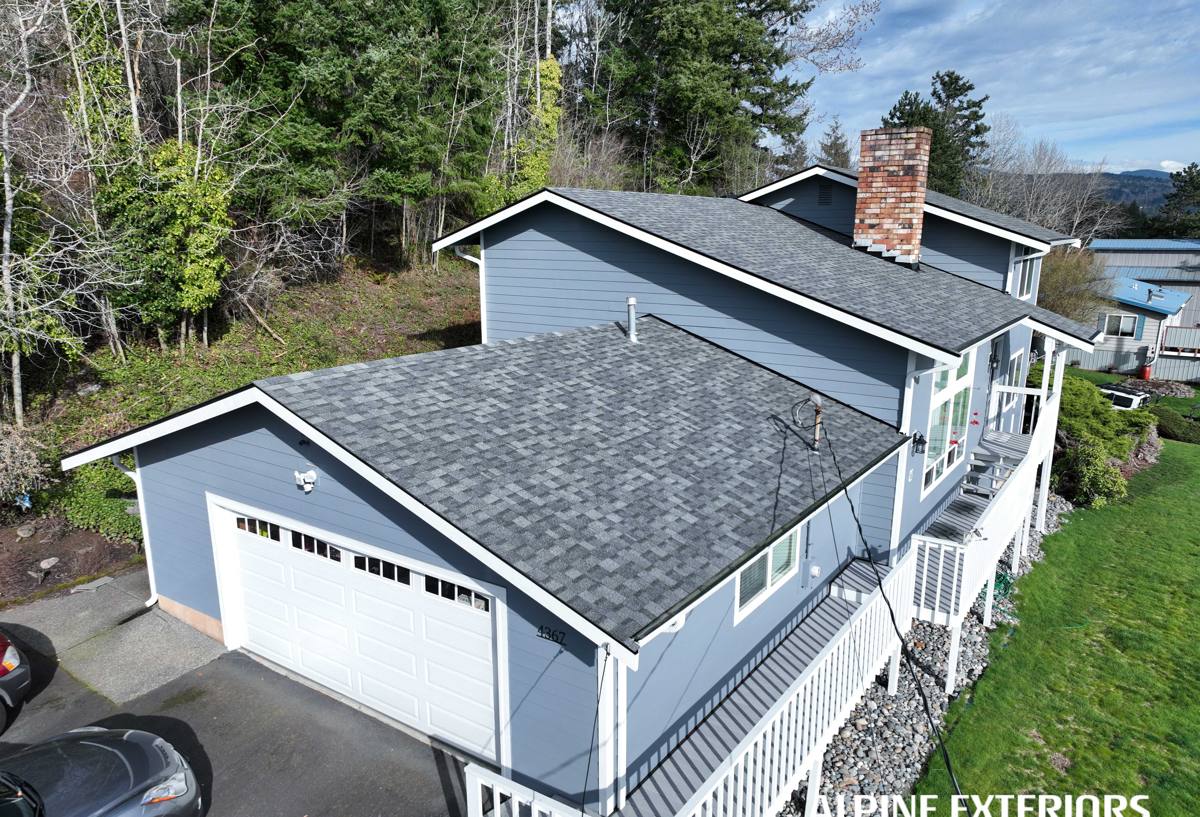
Why the Climate Matters More Than People Think
Wind and Uplift
Florida Building Code sets wind-resistance standards for roofing in our area, but code minimums are a floor, not a guarantee. Repeated wind events — even ones that never reach hurricane strength — gradually loosen shingles, tiles, and fasteners. A roof that looks intact from the ground can have dozens of compromised attachment points after a stormy season.
UV and Heat Cycling
Central Florida sun bakes roofing materials year-round. Asphalt shingles lose their oils and granules faster here than in cooler climates, and the constant heat-up/cool-down cycle between scorching afternoons and cooler nights stresses seams, sealants, and flashing.
Wind-Driven Rain
Rain that falls straight down is rarely the problem. Rain pushed sideways by wind finds its way under lifted shingles, through nail holes, and around flashing that's lost its seal — which is why so many "mystery leaks" only show up during or right after a storm.
Salt Air
Even away from the immediate coastline, salt-laden air travels on Gulf breezes and accelerates corrosion of exposed metal — flashing, fasteners, vent stacks, and gutter hardware. Corroded metal components are one of the most common hidden causes of leaks we find on service calls.
Common Roof Repair Issues We See on Skycrest Homes
- Lifted, cracked, or missing shingles after wind events
- Deteriorated flashing around chimneys, skylights, and roof-to-wall transitions
- Worn or failed pipe boots and vent seals letting water track down into the attic
- Granule loss and brittle shingles from years of direct sun exposure
- Soft spots or sagging decking from long-term, slow-leak water damage
- Corroded fasteners and metal edging from salt air exposure
- Ponding or slow drainage on flatter roof sections
- Damaged or clogged valleys directing water where it doesn't belong
Signs It's Time to Call for a Repair
Most roof damage doesn't announce itself with an obvious leak right away. By the time water is visibly dripping into a room, it's often been working its way through the roof system for a while. Watch for:
- Shingles that are curling, cracking, or missing entirely
- Granules collecting in gutters or at the base of downspouts
- Water stains or discoloration on ceilings or upper interior walls
- A musty smell in the attic or top-floor rooms
- Visible daylight through the attic roof deck
- Sagging areas anywhere on the roofline
- Rust streaks below metal flashing or vent stacks
- Higher-than-usual cooling bills, which can point to attic moisture or ventilation problems
If you notice any of these, it's worth having someone look before the next storm rolls through rather than after.
What a Correct Roof Repair Actually Involves
A Real Inspection First
A repair is only as good as the diagnosis behind it. We look beyond the spot the homeowner points to, because water travels — a stain on a ceiling in one room can trace back to a flashing failure several feet away. We check the decking, the underlayment where it's exposed, flashing points, vent seals, and the general condition of the surrounding roof field, not just the immediate damage.
Matching Materials, Not Guessing
Patching a section with mismatched shingles or the wrong flashing profile might look fine for a season, but it sets up a new failure point down the line. We match materials and installation methods to what's already on the roof, or explain clearly when an exact match isn't available and what the honest alternative is.
Fixing the Cause, Not Just the Symptom
Replacing a shingle without addressing the flashing or fastener issue underneath it is a temporary fix at best. A correct repair addresses whatever let water in — cracked sealant, a corroded pipe boot, lifted flashing — not just the visible surface damage.
Proper Sealing and Fastening for Wind
Given how much wind stress Pinellas County roofs deal with, every repair is fastened and sealed with that in mind — not just enough to pass a quick look, but enough to hold through the next round of gusty weather.
Repair or Replace? How to Think About It
Not every roof problem calls for a full replacement, and not every repair is worth doing instead of replacing. The honest answer depends on a handful of factors, and we'll walk through them with you rather than pushing toward whichever option is more profitable for us.
| Factor | Repair Usually Makes Sense | Replacement Usually Makes Sense |
|---|---|---|
| Roof age | Well within its expected lifespan | At or near the end of its typical service life |
| Extent of damage | Isolated to one area or a few components | Widespread across multiple sections |
| Underlying decking | Solid, no rot or soft spots found | Multiple areas of decking damage |
| Material availability | Matching shingles/tile still available | Discontinued material, hard to match |
| Storm/insurance history | Single, contained incident | Repeated damage or a large insurable event |
| Typical cost range | Often a few hundred to a few thousand dollars | Typically a five-figure investment |
Those cost ranges vary a lot based on roof size, pitch, material, and access — they're meant as a general reference point, not a quote. We always put specifics in writing after seeing the actual roof.
Our Repair Process
- Inspection: We examine the reported problem area and the surrounding roof, including attic access where possible, to find the actual source of the issue.
- Written estimate: You get a clear explanation of what's wrong, what we recommend, and what it costs — no pressure, no scare tactics.
- The repair: We complete the work using materials matched to your existing roof and methods built for wind and water resistance, not just a quick patch.
- Cleanup and walk-through: We clear debris and fasteners from the property and walk you through what was done.
Materials We Work With
Most Skycrest homes we service have asphalt shingle roofs, though we also repair tile and low-slope/flat roof sections that show up on additions, porches, and some home styles in the area. Each material has different failure points and repair techniques:
- Asphalt shingle: The most common repair type — focused on wind-lifted or damaged shingles, flashing, and seal failures.
- Tile: Repairs require care not to crack surrounding tiles and attention to the underlayment beneath them, which is often the real point of failure even when the tile itself looks fine.
- Flat or low-slope sections: These need different waterproofing methods than pitched shingle roofs and are prone to different problems, mainly drainage and seam integrity.
We'll always tell you plainly which repair approach fits your roof type and why — including when a certain material or method isn't the right long-term fit for your specific roof, based on maintenance burden or how it handles our climate, not because of any brand bias.
Why Local Experience in Clearwater Matters
A crew that regularly works Skycrest and the surrounding Clearwater neighborhoods already understands the wind exposure patterns, the way salt air affects materials here versus further inland, and what Pinellas County permitting and inspection expects for roofing work. That familiarity means fewer surprises, faster turnaround on permitted repairs, and a repair that's actually built for the conditions your roof will face — not a generic approach borrowed from a different climate.
It also matters for insurance purposes. Many Florida homeowners' policies factor in roof condition and wind mitigation features, and documented, professionally completed repairs can matter at claim time or renewal. Keeping a paper trail of what was repaired and when is good practice regardless of who does the work.
Protecting the Repair Going Forward
A repair holds up longer when it's not the only thing you do for the roof. A few habits go a long way in this climate:
- Have gutters and downspouts cleared regularly so water actually drains instead of backing up under the roof edge
- Trim back tree limbs that overhang the roof to cut down on debris and abrasion
- Get a quick visual check after any significant storm, even if nothing looks obviously wrong
- Address small issues — a lifted shingle, a cracked pipe boot — before the next wind or rain event finds them
If you're seeing signs of a problem, or just want an honest opinion on the condition of your roof, we're happy to take a look. Fill out the form below for a free, no-pressure estimate — we'll tell you what we find and what your real options are.