 Clearwater Window
 Roof Replacement Built for Palm Harbor's Climate
Palm Harbor sits close enough to the Gulf that its homes take on a specific combination of stress that inland roofs simply don't see: salt-laden air, near-daily UV exposure, sudden wind-driven downpours, and the occasional direct hit from a tropical system or hurricane. A roof here isn't just shedding rain — it's fighting off corrosion, UV breakdown, and uplift pressure at the same time, year after year. That combination is why a roof that might last 25 years in a drier, cooler climate can start showing real problems in Palm Harbor well before that mark.
Replacing a roof correctly in this part of Pinellas County means building for all of those stresses at once, not just matching what was there before. That's the standard we hold every Palm Harbor replacement to.
How Local Conditions Wear Down a Roof
UV and Heat
Florida sun is intense and consistent almost year-round. UV exposure breaks down the oils and asphalt compounds in shingles, causing them to become brittle, curl at the edges, and lose the granules that protect against water intrusion. Metal roofing and tile hold up better under UV, but even those systems depend on sealants and fasteners that degrade with sun exposure over time.
Wind-Driven Rain
It's rarely rain falling straight down that causes leaks — it's rain being pushed sideways and upward under shingle edges, around flashing, and into any gap a normal storm wouldn't reach. Palm Harbor's exposure to Gulf-fed storm systems means underlayment quality and flashing detail work matter as much as the shingle or tile itself.
Salt Air
Even away from the immediate coastline, salt carried on Gulf breezes accelerates corrosion on exposed metal — nails, flashing, drip edge, vents, and fasteners. Roofs built with standard-grade metal components corrode faster here than the same components would inland, which is why fastener and flashing material choice is part of doing the job right, not an upsell.
Hurricane and High-Wind Events
Pinellas County's building code reflects the real risk of hurricane-force wind. A replacement roof installed to code minimums will pass inspection, but homeowners who want real performance in a named storm typically benefit from going beyond the bare minimum on nailing patterns, underlayment, and edge attachment — details we'll walk through plainly during your estimate.
Signs Your Palm Harbor Roof Needs Replacement, Not Repair
Not every roof problem calls for a full replacement. But there's a point where repeated repairs stop making financial sense and start masking a roof that's failing as a system. Signs worth a serious look include:
- Shingles that are curling, cracking, or losing granules across large areas rather than one isolated spot
- Soft spots or sagging in the roof deck when walked or inspected
- Recurring leaks in different locations after previous repairs
- Visible daylight through the attic roof boards
- A roof approaching or past 20 years old, especially with no documented major repairs
- Rising energy bills tied to poor attic ventilation or failing insulation caused by roof moisture
- Insurance company flags on renewal, or difficulty getting affordable coverage due to roof age or condition
If your roof is showing one or two of these, a repair may still be reasonable. If several apply at once, replacement is usually the more honest recommendation — and we'll tell you that directly rather than stringing out repairs on a roof that's already near the end of its service life.
What a Correct Replacement Actually Involves
A roof replacement is more than swapping old material for new. Each layer plays a role, and skipping or rushing any of them is where premature failures come from — especially in a climate as demanding as ours.
Tear-Off and Deck Inspection
We remove the existing roofing material down to the deck so it can actually be inspected, not covered over. Rotted or water-damaged decking gets replaced before anything new goes down — installing new roofing over a compromised deck just hides a problem that will resurface as a leak or worse.
Underlayment
Underlayment is the roof's backup waterproofing layer, and it matters more here than in drier climates because of how often wind-driven rain gets forced under the primary roofing material. We use underlayment rated for the wind and moisture exposure Palm Harbor actually sees, not just code-minimum felt.
Flashing and Penetrations
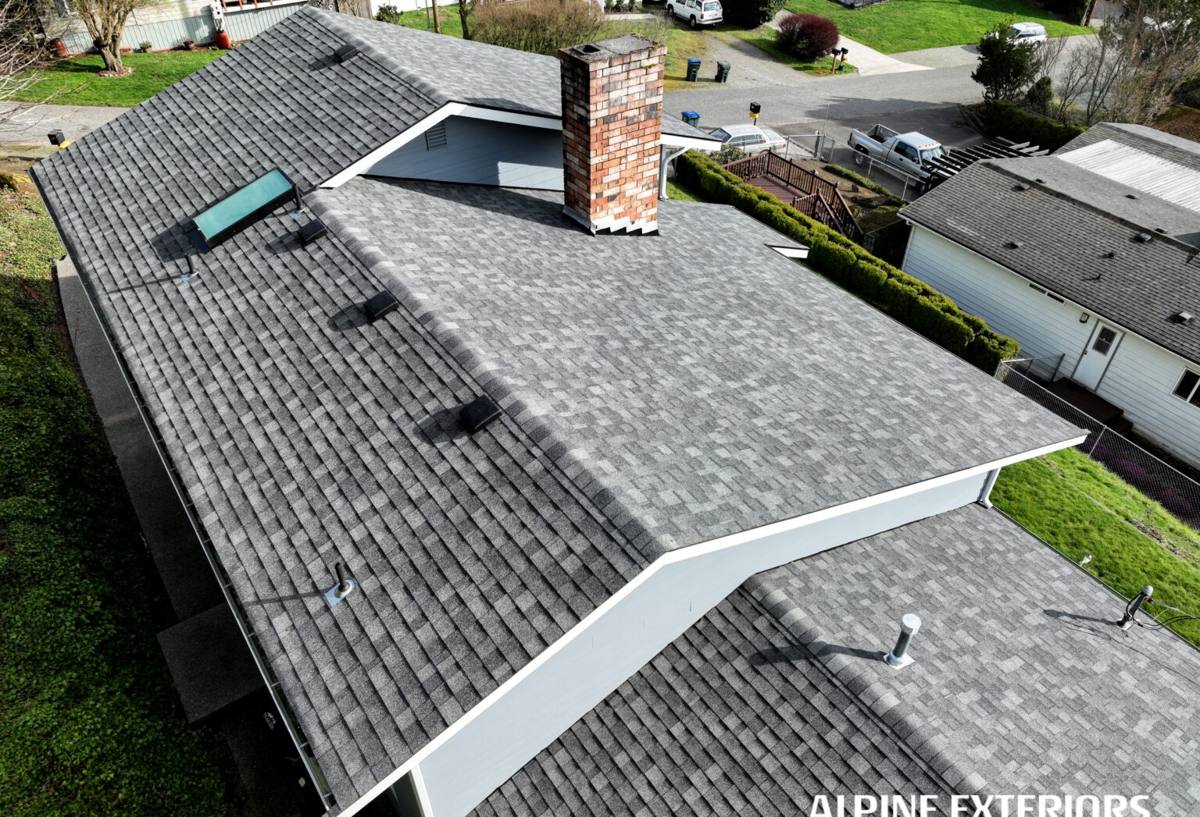
Chimneys, vents, skylights, and roof-to-wall transitions are where the majority of leaks originate — not the open field of shingles. Correctly formed and sealed flashing at every penetration is non-negotiable, and it's also where corner-cutting is easiest to hide from an untrained eye.
Ventilation
Proper attic ventilation keeps heat and moisture from building up under the roof deck, which extends the life of both the roofing material and the decking itself. In Florida's heat, an under-ventilated attic can shorten a roof's usable life by years regardless of the material installed.
Fasteners and Attachment
Wind resistance comes down to nailing pattern and fastener quality as much as the shingle brand. We follow attachment specs appropriate for Pinellas County's wind zone, and use corrosion-resistant fasteners suited to salt air exposure.
Comparing Roofing Materials for a Gulf Coast Home
There's no single "best" material for every home — it depends on your budget, your home's structure, and how much long-term maintenance you're willing to take on. Here's an honest breakdown of what we typically install in Palm Harbor.
| Material | Wind Performance | UV/Salt Durability | Typical Lifespan | Maintenance |
|---|---|---|---|---|
| Architectural asphalt shingle | Good, with proper nailing pattern | Moderate — gradual UV wear expected | 18-25 years in this climate | Low; periodic inspection |
| Standing seam metal | Excellent | Very good with proper coating and fasteners | 40-50+ years | Low; occasional fastener/sealant check |
| Concrete or clay tile | Excellent when properly fastened | Excellent — highly UV and salt resistant | 40-50+ years | Moderate; underlayment beneath tile is the real wear item |
| 3-tab asphalt shingle | Fair — lower wind rating than architectural | Lower; wears faster under intense UV | 12-18 years in this climate | Low, but shorter service life |
Tile and metal cost more upfront but often make sense for homeowners planning to stay long-term, since their lifespan can outlast two or more asphalt replacement cycles. Architectural shingles remain the most common choice because they balance upfront cost, wind performance, and appearance well for most Palm Harbor homes.
Our Replacement Process
- On-site assessment — we inspect the current roof, deck condition, ventilation, and flashing points, and give you a straight answer on repair versus replacement.
- Written estimate — a clear scope of work and material options, with pricing explained line by line, not buried in a lump sum.
- Permitting — we pull the required Pinellas County/local permits and schedule inspections as part of the job, not as an extra step you have to manage.
- Tear-off and deck repair — old material removed, deck inspected and repaired where needed.
- Installation — underlayment, flashing, ventilation, and roofing material installed to spec, with attention to the wind and moisture details specific to this area.
- Final inspection and cleanup — magnetic sweep for debris, site cleanup, and walkthrough so you know exactly what was done.
Permits, Wind Mitigation, and Insurance
A roof replacement in Pinellas County requires a permit, and the finished work has to pass inspection against current wind-borne debris and uplift code requirements. Beyond code compliance, a new roof is also an opportunity to improve your wind mitigation inspection rating, which can lower windstorm insurance premiums. Features like sealed roof decking, secondary water barriers, and improved fastening patterns are things we can document at the time of installation so you have the paperwork ready when you request an updated inspection. We won't promise a specific premium reduction — that's between you and your insurer — but we'll make sure the roof itself qualifies for the best rating it can.
What to Look for in a Palm Harbor Roofing Crew
Roofing is one of the trades where a rushed or corner-cut job doesn't show up as a problem for a year or two — by which point the crew that installed it may be long gone, especially with storm-chasing outfits that move through Florida after hurricane season. A few things worth checking before you hire:
- Active Florida roofing license and general liability/workers' comp insurance — ask to see current documents, not just a claim of coverage
- A physical presence in the area, not just a mailing address or a crew that showed up after a storm
- Willingness to explain material and installation choices in plain terms, including trade-offs
- A written estimate that itemizes tear-off, materials, labor, and permitting rather than one lump number
- References or a track record specific to this region's wind and moisture conditions
- No pressure to sign same-day, and no demand for full payment upfront before work begins
Crews that already work regularly in Palm Harbor and the surrounding Pinellas County communities understand the local permitting office, the wind zone requirements, and the specific failure points that show up in this climate. That familiarity shows up in fewer callbacks and a roof that performs the way it's supposed to when the next storm comes through.
Get a Straight Answer on Your Roof
If you're dealing with an aging roof, storm damage, or you're just not sure whether repair or replacement makes more sense, we're happy to take a look and give you an honest assessment — no pressure, no hard sell. Reach out for a free estimate using the form below, and we'll walk you through exactly what your Palm Harbor home's roof needs and why.