 Clearwater Window
 Why "Custom" Matters More in Palm Harbor Than It Sounds
Palm Harbor sits close enough to the Gulf and to Tampa Bay that its homes deal with the same coastal punishment as the rest of Pinellas County: salt-laden air, intense year-round UV, wind-driven rain, and the occasional hurricane-force gust that finds every weak point in a building envelope. "Custom" here isn't a marketing word. It means a window built and installed to match the actual opening, the actual wind exposure, and the actual condition of the wall around it — not a stock size forced into place and caulked until it looks right.
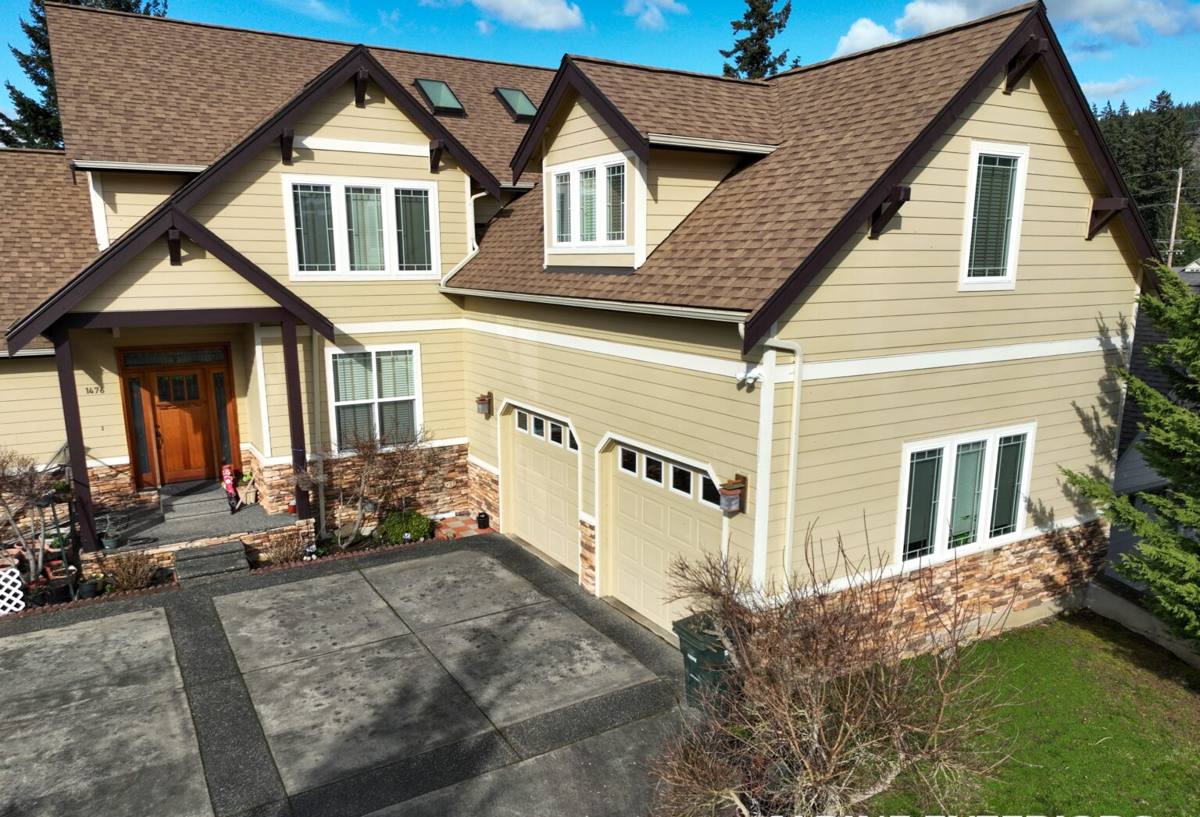
A lot of Palm Harbor housing stock spans several decades of construction styles, from older block homes with settled, slightly out-of-square openings to newer builds with larger glass areas and different framing methods. Custom window work has to account for whichever one you have, because a window that isn't sized and flashed correctly for its specific opening will leak, rack, or fail early — regardless of how good the glass itself is.
What Local Homes Actually Need From Their Windows
Wind and Impact Resistance
Pinellas County enforces Florida Building Code wind-load and, in many areas, impact-resistance requirements based on your specific address and wind zone. Palm Harbor isn't classified the same everywhere — proximity to open water, elevation, and the age of your permit history all factor in. Before any custom window order goes in, we pull the actual code requirement for your address rather than assuming a blanket standard applies.
UV and Heat Load
Florida sun is hard on glass, frames, and interior furnishings alike. Low-E coatings and the right glass package cut down on fading and cooling costs, but the frame material matters just as much — some materials hold up to years of UV exposure better than others, and that's a real factor in a custom window decision, not just glass selection.
Wind-Driven Rain
Straight-down rain is rarely the problem in this area — rain pushed sideways into a wall under storm-force wind is what finds bad flashing and undersized sills. Custom sizing exists partly to close that gap: a window that fits its opening with proper clearances and correct flashing detail sheds wind-driven rain; one that's forced into an ill-fitting opening becomes a leak point.
Salt Air Corrosion
Hardware, fasteners, and certain frame finishes corrode faster near the coast. This affects material choice and even the grade of screws and anchors used during install — details that matter more here than they would fifty miles inland.
Wind Zone and Code Considerations Specific to Pinellas County
Pinellas County sits along the coastal wind-borne debris region boundary, which means impact-rated glass or approved shutter protection is required for many homes, particularly those closer to the water. Requirements are pulled per address, tied to the local wind speed map and your home's specific exposure category. This is not something a homeowner should guess at, and it's not something a contractor should skip — installing non-rated windows where code requires rated ones creates real problems at resale, insurance renewal, and inspection.
Permitting for window replacement in Pinellas County also typically requires product approval documentation (a Florida Product Approval or Miami-Dade NOA number) matched to your wind zone. A legitimate custom window job includes pulling the permit and having the installed product match what was actually permitted — not swapping in a similar-looking unit after the fact.
Frame and Glass Material Comparison
There's no single "best" window material — each has trade-offs worth understanding before you commit, especially in a coastal climate.
| Material | Coastal Durability | Maintenance | Typical Trade-Offs |
|---|---|---|---|
| Vinyl | Good; resists corrosion | Low | Can expand/contract with heat; limited color options |
| Aluminum | Strong, handles large impact-rated units well | Moderate | Conducts heat more than other frames; finish can chalk over time in direct sun |
| Fiberglass | Excellent; very stable in heat and humidity | Low | Higher upfront cost |
| Wood-clad | Fair to good depending on cladding | Higher; interior wood needs upkeep | Best suited to interior areas shielded from direct salt exposure |
For most Palm Harbor homes within a few miles of open water, we lean toward vinyl or fiberglass for their corrosion resistance and lower long-term maintenance, but aluminum remains a solid choice for larger openings needing high structural strength, particularly on impact-rated sliders and picture windows. We'll walk through the honest trade-offs for your specific openings rather than pushing one material across the board.
How a Correct Custom Window Job Actually Works
1. On-Site Measurement and Assessment
Every opening gets measured individually, including a check for square, level, and the condition of the surrounding framing and sill. Rot, prior water intrusion, or settled framing gets identified before ordering — not discovered mid-install.
2. Product Selection Matched to Code and Exposure
We match glass package, frame material, and impact rating to your address's actual wind zone requirement, not a generic standard.
3. Permitting
Pulled through Pinellas County (or the applicable local jurisdiction) before work begins, with product approval documentation matched to what's actually installed.
4. Removal and Opening Prep
Old units come out carefully to avoid damaging surrounding stucco or framing; any water damage or deteriorated substrate found underneath gets addressed before the new unit goes in — sealing a new window over a compromised opening just hides the problem.
5. Installation and Flashing
Correct shimming, fastening schedule per the product approval, and flashing/sealant details built for wind-driven rain — this is where most window failures actually originate, more often than the window unit itself.
6. Final Inspection
Local jurisdictions typically require a final inspection tied to the permit. We handle scheduling and make sure the job passes.
Common Problems We See on Palm Harbor Homes
A few issues come up repeatedly on custom window jobs in this area, mostly from previous work that skipped steps:
- Windows installed without pulling a permit, leaving no record of the product approval or inspection
- Non-impact-rated windows installed in zones that require impact resistance
- Foam or caulk used as the primary water seal instead of proper flashing
- Stock-sized replacement units forced into out-of-square openings, leaving gaps packed with sealant
- Corroded or undersized fasteners used near the coast, leading to early hardware failure
- Aluminum frames left with a chalking, sun-damaged finish from years of unmitigated UV exposure
Any of these can look fine for a year or two and then cause a leak, a failed inspection at resale, or an insurance issue down the line. Part of a proper custom job is checking for this kind of shortcut on the existing structure before new windows go in.
Cost Factors Worth Understanding
Custom window pricing varies by opening size, frame material, glass package, and impact rating, so we won't quote a number without seeing the actual openings. What we can tell you is what tends to move the price:
| Factor | Why It Matters |
|---|---|
| Impact rating required | Impact-rated glass and frames cost more than standard, but may be required by code at your address |
| Opening size and shape | Larger or non-standard shapes (arched, oversized sliders) require true custom fabrication |
| Frame material | Fiberglass and impact-rated aluminum typically run higher than standard vinyl |
| Condition of the existing opening | Rot repair or reframing adds labor beyond the window itself |
| Number of openings | Whole-home replacement typically has a lower per-unit cost than one-off replacements |
We'd rather walk your specific openings and give you a real number than throw out a broad range that doesn't reflect your home.
Maintenance for a Salt Air Climate
Custom windows installed correctly still need basic upkeep to hold up in this environment. Rinse frames and tracks periodically to clear salt buildup, especially if you're within a mile or two of open water. Check weep holes for debris so water can drain properly. Inspect sealant lines annually, since UV and heat cycling break down caulk faster here than in milder climates. None of this is heavy work, but skipping it shortens the life of even a well-installed window.
Why a Crew That Already Works Palm Harbor Matters
Wind zone requirements, permitting jurisdiction, and product approval documentation all vary based on where exactly your home sits in Pinellas County. A crew that regularly works Palm Harbor and the surrounding Clearwater area already knows the local permitting process, has relationships with the inspectors who sign off on the work, and has seen firsthand how different frame materials and installation methods hold up in this specific climate over years — not just on paper. That local track record is the difference between a window install that passes inspection and looks fine on day one, and one that's still performing correctly five hurricane seasons later.
If you're weighing a custom window project for a Palm Harbor home, we're happy to take a look at your specific openings, walk you through what code requires at your address, and put together honest options with no pressure to decide on the spot. Fill out the form below to schedule a free estimate.