 Clearwater Window
 Storm Damage Roof Repair in Oldsmar: What Local Homes Are Up Against
Oldsmar sits along Old Tampa Bay, which means roofs here take a beating from more than just the occasional named storm. Between seasonal hurricane and tropical storm activity, near-daily summer thunderstorms, intense year-round UV exposure, and the salt-laden air that drifts in off the bay, a roof in this part of Pinellas County is under constant, low-grade stress even when the skies are calm. Storm damage rarely shows up as a single dramatic event. More often it's a combination of wind uplift, driven rain, sun-baked shingles, and corroding metal that finally reaches a breaking point during one bad afternoon.
Because our crew is based in Clearwater and works this stretch of the bay regularly, we see the same failure patterns show up on Oldsmar roofs again and again. That familiarity matters when you're trying to figure out whether what you're looking at is a quick fix or something that needs a closer look.
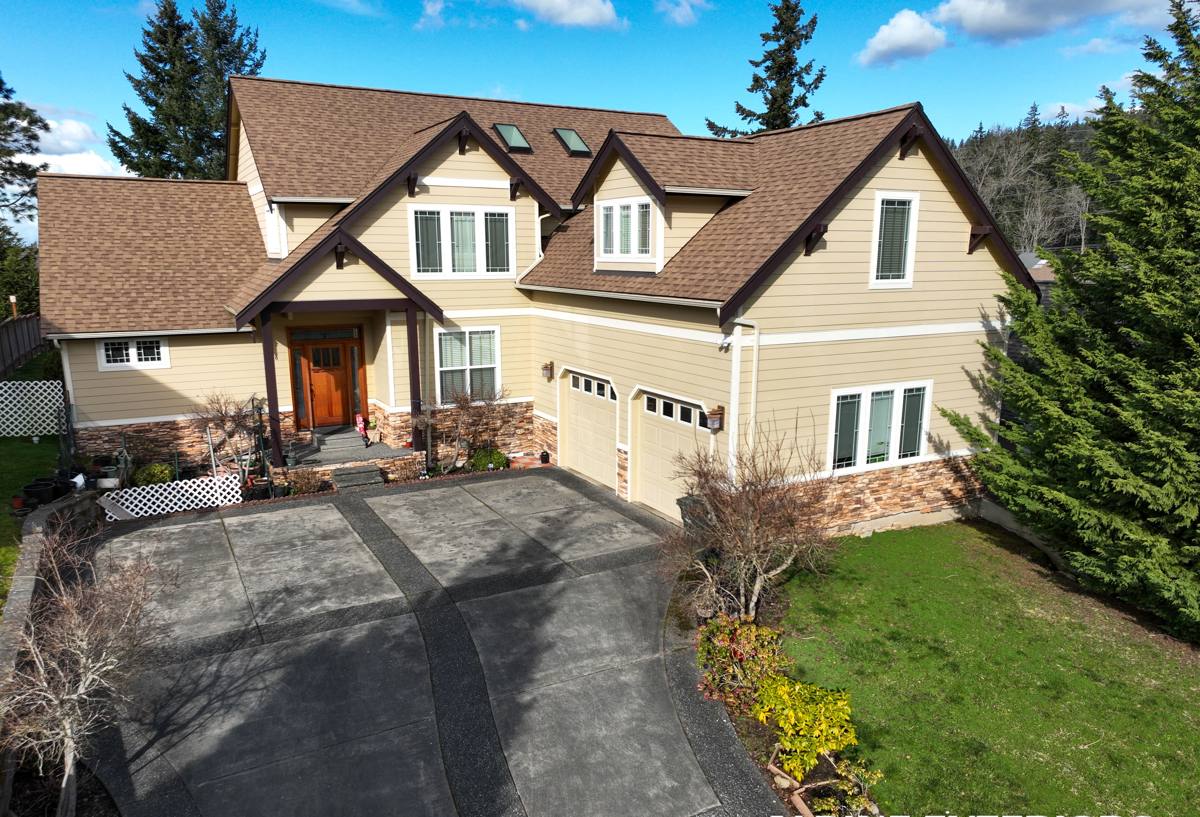
Common Storm Damage We Find on Oldsmar Roofs
Wind Damage
Sustained tropical-force or hurricane-force winds get up under shingle tabs, especially on roofs where the sealant strip has already weakened from years of heat cycling. Once a few shingles lift, the ones around them become vulnerable too, and a small area of missing or creased shingles can spread fast in the next storm if it's not addressed.
Wind-Driven Rain Intrusion
Straight-down rain and a compromised roof can coexist for years without a leak showing up inside. Wind-driven rain is different — it gets pushed sideways and upward under flashing, around vents, and into any gap that a calm-weather rain would never find. This is why a roof that "never leaked" can suddenly show water stains on a ceiling after a single storm.
UV and Heat Breakdown
Florida sun is hard on roofing materials year-round, not just in summer. UV exposure dries out asphalt shingles and breaks down sealants over time, making a roof more brittle and more likely to crack or tear when high winds hit it. A roof that's already sun-damaged will show storm damage faster and worse than a newer one.
Salt Air Corrosion
Being close to Old Tampa Bay means metal roof components — flashing, fasteners, drip edge, vent stacks — corrode faster than they would further inland. Corroded flashing is one of the most common hidden causes of a leak that homeowners assume is a shingle problem.
What a Correct Storm Damage Repair Actually Involves
Full Inspection Before Any Tarp or Patch
A correct repair starts with actually getting on the roof and walking it, not just looking from the ground. That means checking every slope, every penetration (vents, pipes, chimneys), and all flashing details, not just the area over the room where a stain appeared. Storm damage often shows up in more than one place, and repairing only the obvious spot leaves the rest to fail later.
Decking and Structural Check
If water has been getting in for any length of time, the plywood decking underneath the shingles can be soft, delaminated, or rotted. A repair that skips this step and just re-shingles over soft decking will fail again, usually faster than the first time. Any soft spots need to be cut out and replaced with matching decking before new roofing goes down.
Matching Materials and Flashing
Patching a repair with mismatched shingles or reusing old, brittle flashing is a common shortcut that causes early failure. A correct repair uses materials that match the existing roof's profile and weight as closely as possible, and replaces flashing rather than re-bending and reinstalling corroded pieces.
Ventilation and Long-Term Performance
Storm repairs are also a good time to check that the roof's ventilation is working correctly. Poor attic ventilation traps heat and moisture, which accelerates the UV and heat breakdown described above and shortens the life of any repair or new roofing installed.
Our Process, From Call to Completion
- Initial call and scheduling — we get basic details about the damage and get a crew out for an inspection.
- On-roof inspection — we document the damage with photos and identify every affected area, not just the visible one.
- Written estimate — you get a clear explanation of what needs to be done and why, broken into repair scope and cost.
- Temporary protection if needed — if there's active exposure, we get the roof weather-tight before the next rain.
- Repair work — decking replacement where needed, matching shingles or roofing material, new flashing, and proper sealing.
- Final walkthrough — we review the completed work with you before we consider the job done.
Repair or Replace? Cost Factors to Weigh
Not every storm-damaged roof needs full replacement, but not every roof should be patched, either. The right call depends on a few honest factors.
| Factor | Leans Toward Repair | Leans Toward Replacement |
|---|---|---|
| Roof age | Under 10-12 years, in otherwise good condition | Near or past its expected service life |
| Extent of damage | Isolated to one section or a few shingles | Spread across multiple slopes or repeat damage over time |
| Decking condition | Solid, dry decking under the damaged area | Widespread soft spots or rot found during inspection |
| Prior repair history | First significant damage event | Multiple past patches or ongoing leak issues |
| Material availability | Matching shingles or roofing still obtainable | Discontinued material that can't be matched cleanly |
A straightforward answer isn't always possible from a photo or a phone call — this is a case where an in-person look at the decking and the full extent of the damage makes the difference between an honest recommendation and a guess.
Working With Insurance on Storm Claims
Most storm damage claims in this part of Florida hinge on clear documentation: photos of the damage, a written scope of what needs repair, and dates that line up with the storm event in question. We document damage thoroughly at the inspection stage specifically because that record is what an adjuster needs to see. We're not a public adjuster and don't handle the claim itself, but we can provide the roof-side documentation your insurer will ask for, and explain in plain terms what's storm-related versus what's pre-existing wear — insurers draw that line carefully, and it's worth understanding before you file.
Why a Crew That Already Works in Oldsmar Matters
Roofing crews that only pass through the area occasionally after a big storm tend to miss the details that a local crew catches automatically — how quickly salt air corrodes flashing this close to the bay, which roof styles and ages are common in the neighborhood, and what Pinellas County's permitting and inspection process actually requires for a repair versus a full re-roof. Being based in Clearwater means we're a short drive away for a follow-up, not a crew that did the work and then disappeared from the area. After a storm, availability matters too — the crews already established in a region are the ones who can get to your roof without a long wait behind a wave of out-of-town storm-chase contractors.
What to Do Right After a Storm
If you suspect storm damage to your roof, a few steps in the first day or two make a real difference:
- Do a ground-level visual check from a safe distance — look for missing shingles, exposed decking, or displaced flashing.
- Check attic spaces and ceilings for new water stains, damp insulation, or musty odors.
- Take photos of any visible exterior damage as soon as it's safe to do so.
- Avoid getting on the roof yourself, especially with wet conditions or wind still present.
- Cover any active interior leak with a bucket or tarp to limit further damage while you arrange an inspection.
- Call for an inspection promptly — delayed repairs give wind-driven rain more chances to reach the decking.
Protecting Your Roof Between Storms
Storm resilience isn't only about repair after the fact — routine attention between storm seasons keeps small issues from becoming emergency ones. Periodic inspections catch lifted or cracked shingles, deteriorating sealant, and early flashing corrosion before the next round of hurricane-season winds or wind-driven rain finds them. Keeping gutters clear reduces water backing up under the roof edge, and trimming back overhanging branches limits the debris impact damage that shows up during high winds. None of this eliminates storm risk in a coastal Pinellas County location, but it does mean less damage when the next storm rolls through, and a faster, cleaner repair when it does.
If you're dealing with storm damage on an Oldsmar roof, or just want an honest read on its condition before the next storm season, we're happy to take a look. Reach out for a free, no-pressure estimate using the form below.