 Clearwater Window
 Roofing Built for Oldsmar's Climate, Not a Generic Spec Sheet
Oldsmar sits at the edge of Old Tampa Bay in Pinellas County, and that location matters more than most homeowners realize when it comes to roofing. You're close enough to the water to deal with salt-laden air, exposed enough to catch the full force of summer thunderstorms rolling off the bay, and squarely inside the wind-loading zones that Florida's building code takes seriously. A roof installed here needs to be specified for this address, not copied from a spec sheet written for a house two states away.
When we install a new roof in Oldsmar, we're accounting for hurricane-force wind exposure, year-round UV intensity that ages roofing materials faster than in cooler climates, wind-driven rain that finds every weak seam, and the slow corrosive effect of salt air on fasteners and metal components. None of that is theoretical. It's the baseline condition every roof in this part of Clearwater and Pinellas County has to survive, year after year, not just during storm season.
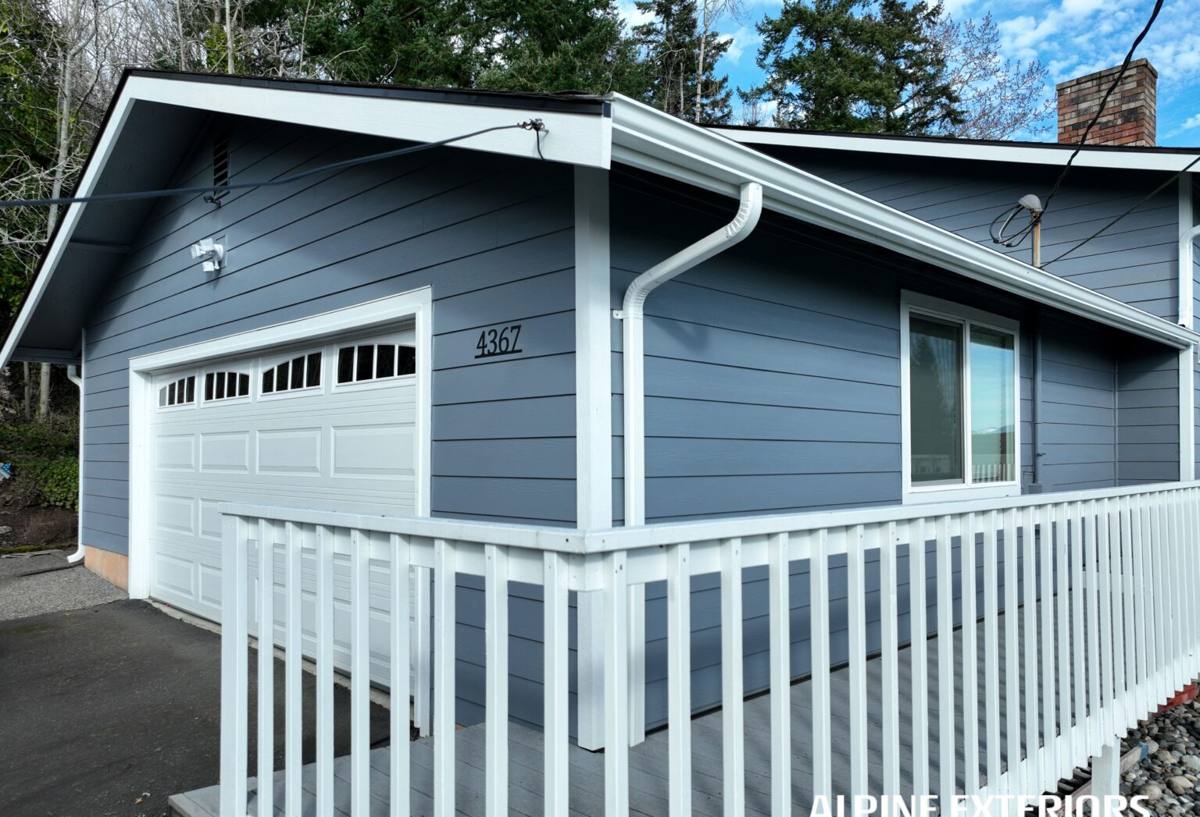
What Local Homes Actually Need From a New Roof
Oldsmar's housing stock includes a mix of older ranch-style homes and newer construction, and both types face the same environmental pressures even though their existing roofs may have been built to different standards. A correct new roof installation here isn't just about picking a shingle color. It's about matching the assembly underneath to what this climate does to a roof over time.
Wind Resistance
Pinellas County is in a high-velocity hurricane zone, which means the Florida Building Code requires specific wind-rated materials, fastening patterns, and installation methods for new roofs. This isn't a suggestion — it's enforced through permitting and inspection. A roof that looks fine but was installed with standard nailing patterns instead of the enhanced fastening these codes call for is a roof that's more likely to lose shingles or sheathing in the next tropical system.
UV and Heat Exposure
Florida sun is relentless on roofing materials. Asphalt shingles lose oils and granules faster under constant UV exposure, and underlayment that isn't rated for high heat can degrade prematurely under a hot deck. We factor this into material selection and ventilation design so the roof isn't fighting the sun from day one.
Salt Air Corrosion
Being near Old Tampa Bay means airborne salt reaches roofs, flashing, and fasteners even without a direct waterfront view. Standard fasteners and untreated metal flashing corrode faster in this environment. Using corrosion-resistant fasteners and properly coated flashing isn't an upgrade here — it's a baseline requirement if you want the roof to last its full expected life.
Wind-Driven Rain
Florida storms don't just drop rain straight down — they push it sideways, under shingle edges and into any gap in the flashing or underlayment. A roof system needs sealed seams, properly lapped underlayment, and correctly integrated flashing at every penetration and transition to keep that rain out.
What a Correct New Roof Installation Involves
A new roof is more than shingles nailed to plywood. Here's what we actually do, in order, on every installation.
1. Deck Inspection and Repair
Once the old roofing is stripped, we inspect the deck for soft spots, water damage, or rot — common in older Oldsmar homes where a prior roof may have had slow leaks that went unnoticed. Any compromised sheathing gets replaced before anything new goes down. Installing over a bad deck just guarantees future problems.
2. Underlayment
We install a high-quality synthetic or self-adhering underlayment rated for Florida's heat and moisture conditions, with attention to proper overlap and sealing at seams. This layer is the roof's real waterproofing barrier — the outer material sheds most of the water, but the underlayment is what protects the deck if wind-driven rain gets past it.
3. Flashing at Every Transition
Valleys, chimneys, skylights, wall intersections, and vent penetrations are where roofs actually fail. We install new flashing at every one of these points rather than reusing old flashing, because flashing that's been through even one storm season has usually already lost some of its seal.
4. Fastening to Code
Fastening pattern and fastener type are specified to meet Pinellas County's wind-load requirements for the specific roof pitch and material. This is inspected and permitted work, not something we eyeball.
5. Ventilation
Proper attic ventilation keeps the deck cooler and drier, which extends the life of both the roofing material and the structure underneath it. We evaluate existing ventilation and correct it where it's inadequate, since a hot, poorly ventilated attic in Florida's climate will shorten a new roof's lifespan regardless of how good the shingles are.
6. Final Inspection and Cleanup
We walk the completed roof, confirm every penetration is sealed and every flashing detail is correct, and do a full property cleanup including a magnetic sweep for stray nails.
Material Options for Oldsmar Homes
There's no single "best" roofing material — the right choice depends on your budget, how long you plan to stay in the home, and how much maintenance you want to take on. Here's an honest comparison of the main options we install in this area.
| Material | Typical Lifespan | Wind Performance | Maintenance | Relative Cost |
|---|---|---|---|---|
| Architectural asphalt shingle | 20–30 years | Good, when rated and installed to code | Low to moderate | $ |
| Standing seam metal | 40–50+ years | Excellent | Low | $$$ |
| Tile (concrete or clay) | 50+ years | Good, but individual tiles can dislodge in extreme wind | Moderate — periodic tile replacement | $$$ |
| Flat/low-slope membrane (TPO, modified bitumen) | 15–25 years | Good when properly adhered | Moderate — needs periodic inspection | $$ |
We don't push one material over another as a matter of course. What we will tell you honestly is where a product creates trade-offs — for example, tile roofs perform well overall but individual tiles can crack or dislodge and need occasional spot repair, and flat-roof membrane systems demand more attentive maintenance than a pitched shingle roof. We'll walk you through what fits your house and your plans for it.
Cost Factors Homeowners Should Understand
We don't publish blanket pricing because roof cost depends on real variables specific to your home, but these are the factors that actually move the number:
| Factor | Why It Matters |
|---|---|
| Roof size and pitch | More surface area and steeper pitches mean more material and labor |
| Deck condition | Rotted or damaged sheathing found during tear-off adds repair cost |
| Material choice | Asphalt, metal, and tile have significantly different material and labor costs |
| Number of penetrations | Chimneys, skylights, and vents each require flashing work |
| Permitting and code requirements | Wind-zone fastening and code-mandated upgrades are part of a compliant job |
| Tear-off layers | Removing multiple existing layers of roofing takes more labor than a single layer |
We give a firm, itemized estimate after an on-site inspection — not a phone-quote guess — so you know exactly what you're paying for before work starts.
Why Hiring a Crew That Works Oldsmar Regularly Matters
Roofing licensing, permitting, and code requirements are handled at the state and county level, and the details of what Pinellas County inspectors look for on a re-roof permit are things a crew learns from doing the work here repeatedly. A contractor who works this area regularly knows the local permitting process, understands what wind-zone fastening inspectors expect to see, and has already worked through the practical realities of local housing stock — older decking, older flashing details, and the cumulative effects of sun and salt on prior roofing.
That local familiarity translates into fewer surprises during the job: fewer permit delays, fewer failed inspections, and a crew that isn't learning the code requirements for the first time on your roof.
Signs Your Oldsmar Roof May Need Replacement, Not Repair
- Shingles that are curling, cracking, or losing granules across large sections of the roof, not just one isolated spot
- Daylight visible through the roof deck from inside the attic
- Repeated leaks in different locations after prior repairs
- Soft or sagging spots in the roof deck
- Roof age approaching or past the material's expected lifespan, especially after multiple storm seasons
- Visible damage to flashing around chimneys, vents, or skylights
- Missing or lifted shingles after a wind event, particularly if it's happened more than once
If you're only seeing one or two of these, a targeted repair might still make sense. If you're seeing several at once, or the roof is old enough that repairs are becoming frequent, replacement is usually the more cost-effective path — repeated repairs on an aging roof add up, and they don't reset the clock on the underlying material's lifespan.
Our Process, Start to Finish
- On-site inspection and honest assessment of your current roof's condition
- Written, itemized estimate covering material, labor, and any anticipated deck repair
- Permitting handled with Pinellas County before work begins
- Tear-off, deck inspection, and repair of any compromised sheathing
- Underlayment, flashing, and material installation to code-required wind-fastening standards
- Final walk-through, inspection sign-off, and full property cleanup
We keep you informed at each stage, especially if the deck inspection turns up something that changes scope — you'll know before we proceed, not after the invoice arrives.
Get a Straight Answer About Your Roof
If your Oldsmar roof is showing its age, was damaged in a storm, or you're just trying to plan ahead before it becomes an emergency, we're happy to take a look and give you a straightforward assessment — no pressure, no inflated urgency. Use the form below to request a free estimate, and we'll walk your roof, answer your questions honestly, and give you a real number to work with.