 Clearwater Window
 Storm Damage Roof Repair for Largo Homes
Largo sits inland from the Gulf but still takes the full brunt of Pinellas County's weather — hurricane-force wind gusts during tropical systems, sudden summer squalls that drive rain sideways under shingles and flashing, and relentless year-round UV that ages roofing materials faster than in most parts of the country. Add in the salt air that drifts across the whole county from both the Gulf and Tampa Bay, and it's a tough combination for any roof to hold up against for 20-plus years without damage.
Storm damage roof repair is one of the most common calls we get from Largo homeowners, and it's also one of the easiest jobs to get wrong. A repair that only addresses what's visible from the ground — a missing shingle, a stain on the ceiling — often leaves the underlying problem in place. This page covers what storm damage actually looks like on a Largo roof, what a correct repair involves, and how we handle the job from first inspection to final walk-through.
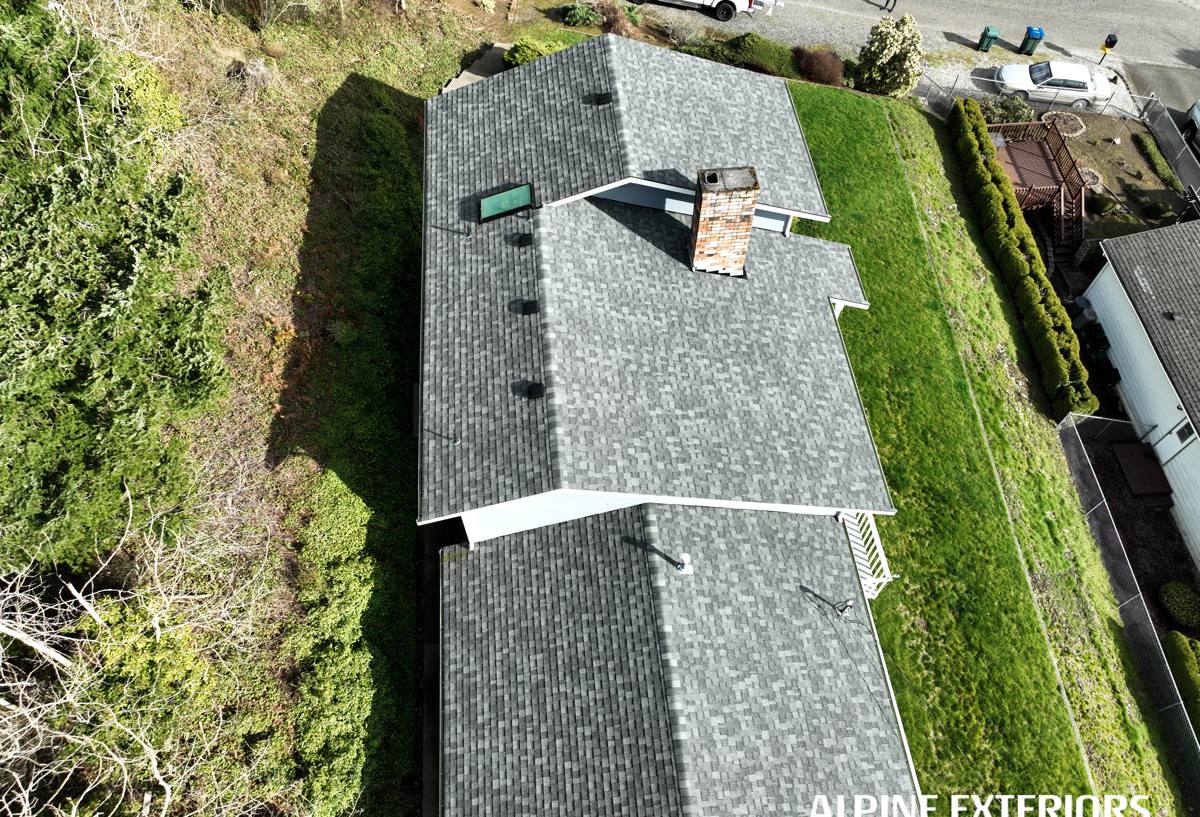
What Counts as Storm Damage
Not all storm damage is dramatic. Some of it is obvious — a section of shingles peeled back after a strong gust, a tree limb through the decking, a soffit torn loose. But a lot of the storm damage we find in Largo is subtler and shows up weeks or months after the weather event that caused it.
Wind Damage
Sustained winds and gusts lift shingle edges, break the seal strip that holds them flat, and loosen fasteners without necessarily removing a shingle entirely. Once that seal is broken, the shingle no longer sheds water the way it's designed to, even though it may look fine from the street.
Wind-Driven Rain Intrusion
Florida storms rarely drop straight down. Wind-driven rain gets pushed sideways and upward under shingle edges, around vent boots, and through gaps in flashing at chimneys, walls, and roof valleys. This is one of the most common ways water gets into a Largo attic without any visible exterior damage at all.
Hail and Debris Impact
Direct hits from hail or wind-blown debris bruise or crack shingles, punch through vent covers, and dent metal flashing and gutters. Impact damage doesn't always cause an immediate leak, but it does shorten the remaining life of the shingle and creates a weak point that fails sooner under the next storm.
UV and Cumulative Wear
Storms don't cause all the damage on their own — they often finish off shingles that are already brittle from years of intense Florida sun. A roof that's been baking under that UV load for over a decade is far more likely to lose shingles or crack in a storm than a newer one, which is why age matters as much as the storm itself when we're assessing damage.
Signs Your Largo Roof Needs a Storm Damage Inspection
After any significant wind or rain event, it's worth walking your property and checking the following. You don't need to get on the roof yourself — most of this can be seen from the ground with binoculars or from inside the attic.
- Shingles that look curled, lifted at the edges, or missing entirely
- Granules collecting in gutters or at the base of downspouts
- Soft spots, sagging, or discoloration on interior ceilings
- Water stains or musty smell in the attic, especially near chimneys or vents
- Bent, missing, or lifted flashing around vents, walls, or skylights
- Debris, tree limbs, or visible punctures on the roof surface
- Gutters pulling away from the fascia or full of shingle fragments
- Daylight visible through the roof deck when viewed from the attic
Any one of these is a reason to have the roof looked at. Waiting through another rainy season on a compromised roof almost always turns a repair into a much larger replacement.
What a Correct Storm Damage Repair Involves
Full Inspection Before Any Repair
We start on the roof, not just from the ground. That means checking the decking underneath damaged shingles, not just the shingles themselves — decking that's been wet repeatedly can delaminate or soften, and no amount of new shingle on top will fix that. We also check flashing, pipe boots, and valleys, since those are the spots most likely to leak even when the field of the roof looks intact.
Matching the Repair to the Roof
A patch repair only holds up if the materials and installation match what's already there. That means using compatible underlayment, properly lapped flashing, and shingles that match in type and, as closely as possible, in color and wear so the repair doesn't stand out or create a mismatched seal line. On older roofs where the exact shingle is no longer made, we'll talk through the closest available match rather than guessing.
Proper Flashing and Sealing
Most leaks that come back after a "repair" trace back to flashing that was reused instead of replaced, or sealant used in place of proper metal work. We replace flashing at repair points rather than caulking over old, corroded metal — caulk is a short-term fix, not a repair.
Attic and Decking Check
Any area that showed interior staining gets checked from the attic side as well as the roof side. If insulation is wet or decking is soft, that gets addressed as part of the job, not left for the homeowner to discover later.
Repair or Replacement — How to Tell
Not every storm-damaged roof needs to be replaced, and not every roof can be safely patched. The right call depends on the roof's age, how widespread the damage is, and what condition the decking is in underneath.
| Factor | Repair Is Often Enough | Replacement Should Be Considered |
|---|---|---|
| Roof age | Under 12-15 years, in otherwise good shape | Nearing or past the shingle's rated lifespan |
| Extent of damage | Isolated to one section, slope, or vent area | Spread across multiple slopes or widespread granule loss |
| Decking condition | Solid, dry decking under the damaged area | Soft, delaminated, or repeatedly wet decking |
| Shingle match | Same or close shingle still available | Discontinued shingle with no reasonable match |
| Prior repairs | First repair on this section of roof | Roof has been patched multiple times already |
We'll always tell you honestly which category your roof falls into, including when a smaller repair is the right call rather than pushing a full replacement that isn't needed yet.
Our Storm Damage Repair Process
1. Inspection and Documentation
We inspect the roof, attic, and any interior damage, and document what we find with photos. This documentation matters whether or not you end up filing an insurance claim — it gives you a clear record of the roof's condition right after the storm.
2. Clear Scope and Written Estimate
You get a written explanation of what's damaged, what needs to be repaired, and why — not just a price. If there are options (repair now versus a broader fix), we lay those out so you can make an informed decision.
3. The Repair Itself
Work is done to match the existing roof system: proper tear-out of damaged material, decking repair if needed, new underlayment and flashing at the repair area, and shingles installed to manufacturer nailing and sealing specs — not just laid down and caulked at the edges.
4. Final Walk-Through
Once the work is done, we walk the repair area with you, from the ground and, if you want, from the attic, so you can see the fix before we consider the job complete.
Storm Damage and Insurance Claims
Many storm damage repairs in Largo and the surrounding Clearwater area involve a homeowner's insurance claim. We're not your insurance adjuster and won't promise a claim outcome, but we can provide the kind of documentation — photos, a written scope of damage, and a clear description of cause — that adjusters generally want to see. If you're planning to file a claim, it's worth having the roof inspected and documented before you do any temporary repairs yourself, so the original damage is on record.
Whether or not a claim is involved, we'll give you the same honest assessment of what needs to happen. Our job is to fix the roof correctly, not to inflate a scope to match what a policy might cover.
Why Hire a Crew That Already Works Largo
Largo's housing stock is a mix of older ranch-style homes with roofs that have been through multiple storm seasons, and newer construction with different underlayment and shingle systems. A crew that regularly works this specific area already has a feel for which older roof types tend to hide decking problems, which flashing details on local homes tend to fail first, and how the humidity and salt air in this part of Pinellas County affect fastener corrosion and shingle wear over time.
That familiarity matters more than it might seem. It's the difference between a repair that gets done once and holds, and one that gets revisited after the next round of wind-driven rain because a detail specific to this climate got missed. It also means we're not learning permitting and inspection requirements for the area on your job — we already know what's expected.
Get a Free, No-Pressure Estimate
If your Largo home has visible storm damage, or you're just not sure whether that recent wind event left anything behind, we're happy to take a look. The estimate is free, there's no pressure to move forward, and you'll get a straight answer about what — if anything — actually needs to be repaired. Use the form below to get started.