 Clearwater Window
 Building New in Largo? Start With Windows That Fit the Job
"New construction" windows aren't just windows in a new house — they're a specific category of product and installation method, distinct from the replacement windows most homeowners are used to. If you're framing an addition, closing in a lanai, converting a garage, or building from the slab up in Largo, the windows go in before the exterior finish does. That's a different job than swapping glass into an existing opening, and it comes with a different set of rules, a different installation sequence, and a different margin for error.
We work with both general contractors and owner-builders around Largo and the rest of Pinellas County, and this page is about that specific scenario: getting new-construction windows specified, ordered, and installed correctly the first time, before the walls close up and the chance to fix a flashing mistake disappears.
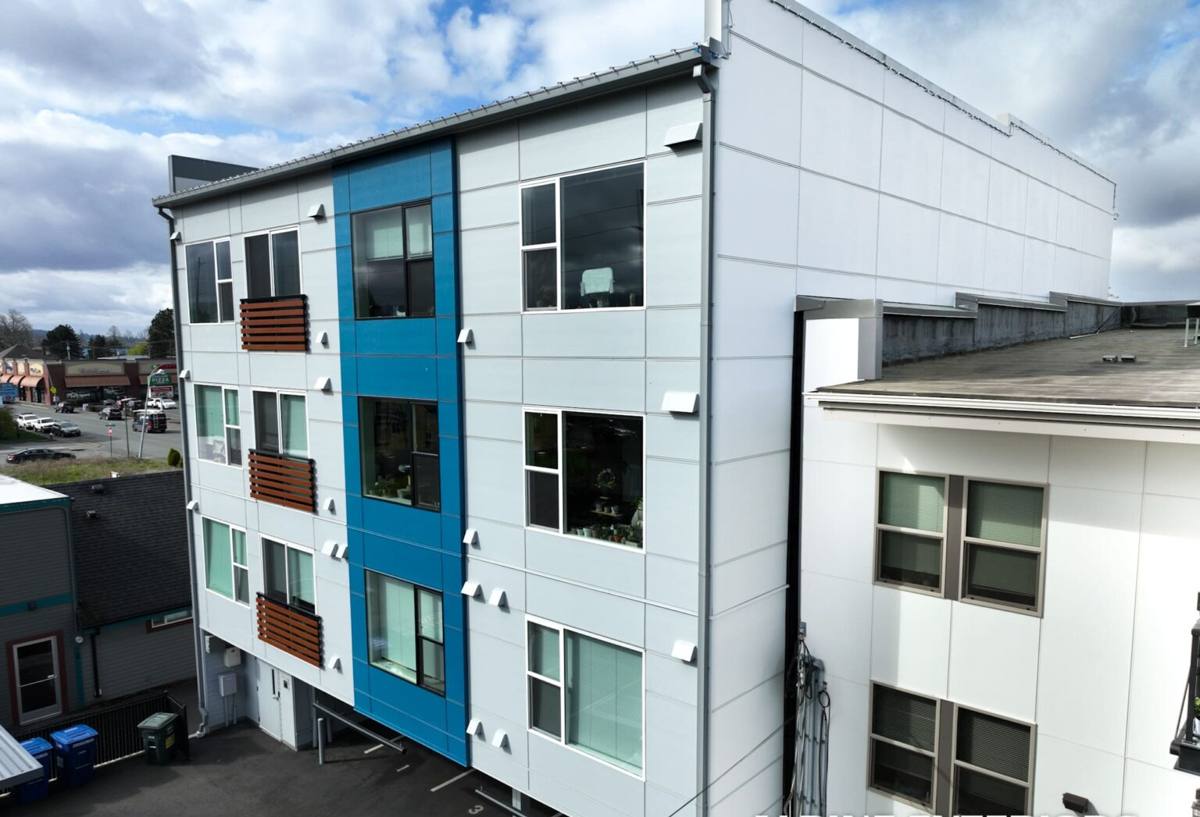
What Largo's Climate Asks of a New Window Package
Largo sits inland from the Gulf beaches but close enough to Tampa Bay and the Intracoastal that the same coastal conditions apply. A new-construction window package here has to account for a few things at once, not just one:
- Wind: Hurricane-force gusts test the window frame, the anchoring, and the glass all at once. A window that isn't rated for the actual design pressure on that wall can fail at the frame or the fasteners even if the glass holds.
- UV: Florida sun is intense and constant. Vinyl frames, gaskets, and sealants that aren't UV-stabilized break down early — this shows up as chalking, brittleness, and seal failure years before it should.
- Wind-driven rain: Pinellas storms don't just bring rain, they push it sideways into wall assemblies under pressure. New construction is the one time you can build the flashing and drainage plane correctly, because it's still open and inspectable.
- Salt air: Even away from the immediate coastline, salt-laden air corrodes cheap hardware, screws, and tracks over time. Fastener and hardware spec matters more here than in a dry inland climate.
New Construction vs. Replacement: Why the Distinction Matters
These aren't interchangeable products, and a window built for one job shouldn't be forced into the other. Here's the practical difference:
| Factor | New-Construction Window | Replacement Window |
|---|---|---|
| Frame style | Nailing-fin frame, fastened to the stud opening | Block-frame or insert, fits inside the existing frame |
| When installed | Before house wrap and exterior finish go on | After the home is finished, into an existing opening |
| Ability to resize the opening | Yes — the rough opening can be framed to the window | No — limited to what the existing frame allows |
| Flashing method | Integrated with the weather-resistive barrier and building paper/tape in sequence | Sealant and trim-dependent, working around existing materials |
| Typical use | New builds, additions, full rebuilds, garage/lanai conversions | Existing homes with sound framing and finish |
Using the wrong category on a job usually shows up later as a leak, a fastening problem, or a warranty gap — not on day one, but after the first hard-driving storm.
What a Correct New-Construction Install Actually Involves
Rough opening and flashing sequence
Before the window ever goes in, the rough opening gets checked against the actual window dimensions — not the plan dimensions, the real ones, since lumber and framing tolerances vary. Flashing goes in a specific shingle-lap order: sill pan first, then side flashing, then the window, then head flashing last, each layer overlapping the one below it so water is always directed outward and down, never trapped behind the wall.
Fastening to the manufacturer's schedule
Every window's Florida product approval specifies a fastening schedule — fastener type, spacing, and embedment — tied to the design pressure rating it was tested at. Installing it with fewer or weaker fasteners than that schedule voids the wind rating on paper, even if the window itself is correctly rated.
Shimming, sealing, and air control
The unit gets shimmed square, plumb, and level at the fastening points specified by the manufacturer — not just "eyeballed straight" — then sealed with a sealant compatible with the house wrap being used. Compatibility matters: the wrong sealant chemistry against certain wraps can degrade both materials over time instead of bonding them.
This entire sequence only gets inspected once — by us, and by the building inspector at rough-in. Once siding, stucco, or drywall covers it, nobody can verify it was done right without tearing something open. That's the real argument for getting new construction right the first time, rather than treating it like something to fix later.
Choosing Window Specs for a Largo Build
The right specification depends on the wall's exposure, the home's height, and how you plan to handle storms — not on picking a frame material because it's popular. A few of the real decision points:
- Frame material: Vinyl (cost-effective, good insulator, needs UV-stable formulation for Florida sun), aluminum (strong, slimmer sightlines, conducts heat unless thermally broken), fiberglass (dimensionally stable, higher upfront cost, holds paint well over time).
- Glass package: Low-E coatings cut solar heat gain in every case; laminated impact glass adds a layer that holds together under impact instead of shattering, which changes how you handle storm prep.
- Design pressure (DP) rating: This isn't one number for the whole house — it varies by wall, based on the home's height, roof shape, and exposure category. A wall facing open water or an unobstructed field carries a higher requirement than a sheltered interior wall.
Permitting, Wind Load, and Product Approval
Every new-construction window installed in Pinellas County needs a valid Florida product approval (or Miami-Dade NOA where applicable) that matches the design pressure actually required on that wall, plus a permit and inspection through the local building department. The design pressure requirement itself comes from the Florida Building Code's wind zone and exposure maps for that specific property — it's not a flat countywide number, and it's not something to guess at.
We pull the actual wind load requirement for the address before quoting a spec, so what we order is what the permit will actually pass — not a generic "hurricane window" that may or may not clear inspection for that particular wall.
Cost and Timeline Factors
New-construction window costs swing on a handful of variables more than on brand name. Here's what actually moves the number:
| Factor | Why It Matters |
|---|---|
| Frame material | Vinyl is typically the most economical; fiberglass and impact-rated aluminum run higher |
| Glass package | Impact-rated laminated glass costs more upfront than standard glass paired with shutters |
| Required DP rating | Higher exposure walls need higher-rated units, which cost more than standard-exposure windows |
| Size and quantity | Larger openings and higher unit counts affect both material and labor pricing |
| Project stage | Windows ordered and scheduled with the framing timeline avoid the delay costs of a stalled dry-in |
We'll walk through these factors against your actual plans so you're comparing real numbers, not a rough square-footage guess.
How We Work With Largo Builders and Homeowners
Whether you're a general contractor running the schedule or a homeowner managing your own addition, the coordination points are the same: windows have to be ordered early enough to arrive before framing is ready for them, and the flashing plan has to be agreed on before the wall is closed. Our process on a Largo job typically looks like:
- Review the plans and pull the actual wind load and product approval requirements for the address.
- Finalize a spec sheet — frame material, glass package, and DP rating per opening — and place the order with enough lead time for the framing schedule.
- Verify rough openings against the confirmed window sizes before framing is closed up.
- Install to the flashing sequence and fastening schedule the product approval requires.
- Coordinate with the building department for rough-in inspection before the wall is covered.
Why a Crew That Already Works Largo Matters
A crew that works Pinellas County regularly knows the local wind exposure categories, has a working relationship with the building department's inspectors, and has seen how the common home styles in and around Largo — block construction, additions tied into older framing, lanai and garage conversions — actually go together. That's the difference between a spec sheet that looks right on paper and an install that clears inspection and holds up through the next storm season. It also means that if a warranty question comes up later, you're calling a crew that's still working in your area, not chasing down a contractor who moved on after one job.
Before Your Largo Windows Go In, Confirm This
- Product approval documentation matches the design pressure rating required for that specific wall, not a generic rating
- The flashing sequence is specified in writing, in the correct shingle-lap order
- Rough openings are field-verified against actual window sizes before framing closes
- Glass package matches your storm plan — impact-rated glass or a code-compliant shutter system, chosen on purpose
- Sealant is compatible with the house wrap or weather-resistive barrier being used
- Permit is pulled and rough-in inspection is scheduled before the wall is covered
- Fastening schedule and warranty terms are documented, not just verbal
If you're planning an addition, conversion, or new build in Largo and want the window package specified correctly from the start, we're glad to walk the plans with you and put together a free, no-pressure estimate — no obligation either way.