 Clearwater Window
 Largo's Climate Is Hard on Siding — Here's What That Means for Your Home
Largo sits in the middle of Pinellas County, close enough to Tampa Bay and the Gulf that salt-laden air reaches every neighborhood, even the ones well inland from the water. Add in the summer heat, the near-daily UV exposure, wind-driven rain off afternoon storms, and the real chance of hurricane-force winds during the season, and you have a combination that few exterior products are built to handle for the long haul. Siding here doesn't just need to look good on install day — it needs to hold its color, resist moisture intrusion, and stay fastened to the wall through decades of that punishment.
Homes in Largo tend to be a mix of older concrete block construction with wood-frame additions, mid-century ranch homes, and newer stick-built construction in the developments around the county. Whatever the substrate, the siding attached to it is the first line of defense against water, wind, and sun. When it fails — through cracking, delamination, or simply fading and chalking years ahead of schedule — the damage isn't cosmetic. It shows up as soft sheathing, stained interior walls, and mold behind the wall cavity.
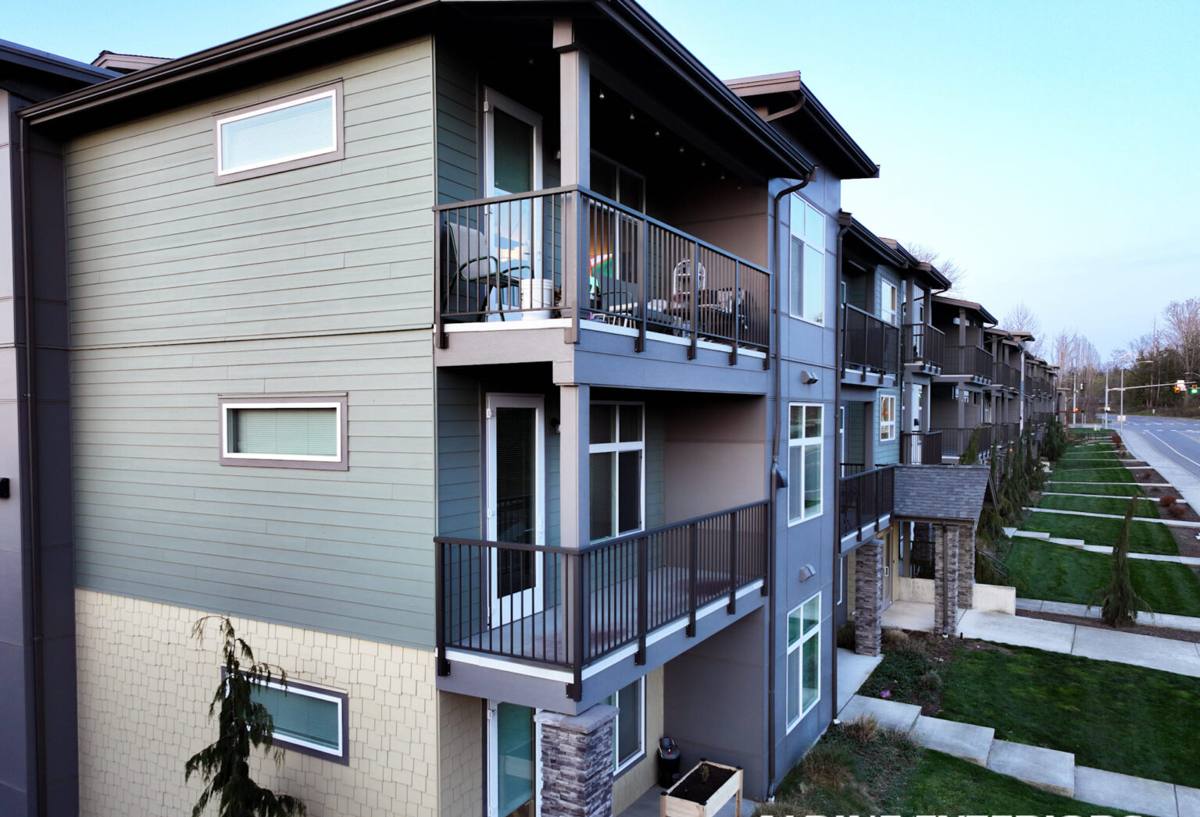
What Correct Fiber Cement Installation Actually Involves
Fiber cement siding is only as good as its installation. The product itself is engineered to resist moisture, fire, and pests, but a job done wrong — even with the best board on the market — can fail early in a climate like this one. A correct install in Largo means:
- Proper water-resistive barrier and flashing detail at every window, door, and penetration, lapped so water sheds outward, never inward
- Correct fastener type, spacing, and depth — over-driven or under-driven nails are one of the most common causes of early siding failure
- Manufacturer-specified clearances from grade, roofline, and other hard surfaces so the bottom edge of the board never sits in standing water or trapped moisture
- Proper joint treatment and caulking at butt joints and trim, using sealants rated for the product and for Florida's UV and humidity exposure
- Field-cut edges sealed per manufacturer instructions, since an unsealed cut edge is a direct path for moisture into the board
Skipping any one of these steps doesn't usually show up as a problem in year one. It shows up in year five or seven, as a soft spot near a window, a stained soffit, or paint failure at a joint that was never properly sealed. That's the gap between siding that's "installed" and siding that's installed correctly.
Why This Matters More in Largo Than in Drier Climates
In a low-humidity, low-storm-frequency market, small installation shortcuts can go unnoticed for a long time. In Pinellas County, wind-driven rain finds every gap during a single strong summer storm, and constant humidity means any trapped moisture has little chance to dry out between weather events. Installation quality that would be "good enough" elsewhere isn't good enough here.
Why We Install Only James Hardie Fiber Cement
We made a decision early on to standardize on one product line rather than offer a menu of siding materials: James Hardie fiber cement, and nothing else. We don't install LP SmartSide, vinyl, Cemplank, Allura, or primed wood siding like spruce or cedar. That's not a marketing position — it's a standard we hold because of what we've seen these materials do, and not do, on Gulf Coast homes over time.
Vinyl softens, warps, and can pull away from fasteners in high heat and high wind — a real concern given Largo's storm exposure. Wood siding, even primed, needs consistent repainting and sealing to survive Florida humidity, and it's a food source for the pests common to this region. Engineered wood products like LP SmartSide use a wood-strand core that, while treated, is still an organic material that depends on an unbroken finish to keep moisture out; once that finish is compromised at a cut edge or fastener hole, the core is vulnerable. Other fiber cement brands compete on price but don't offer the same factory-finish system, product engineering for coastal climates, or transferable warranty backing that James Hardie does.
James Hardie is a non-combustible, cement-based product that doesn't rot, doesn't attract termites, and holds its factory-applied ColorPlus finish far longer than field-applied paint on wood or vinyl's baked-in color. For a market that deals with heat, salt air, and storms every single year, that combination is worth standardizing on.
| Factor | James Hardie Fiber Cement | Vinyl / Wood / Other Fiber Cement |
|---|---|---|
| Moisture resistance | Engineered cement composition, resists rot and swelling | Vinyl can warp; wood absorbs moisture without diligent upkeep |
| Wind performance | HZ5 line engineered for high-wind, impact-prone climates | Vinyl panels can crack or blow off in sustained high wind |
| Finish longevity | ColorPlus factory finish, baked-on, fade-resistant | Field paint needs recoating; some vinyl fades and chalks |
| Fire resistance | Non-combustible cement composition | Vinyl and wood are combustible materials |
| Pest resistance | Not a food source for termites or wood-boring insects | Wood is vulnerable without ongoing treatment |
| Warranty structure | Manufacturer-backed, transferable to future owners | Varies widely; often shorter or non-transferable |
The HZ5 Product Line: Built for the Gulf Coast
James Hardie engineers its siding by climate zone, and Pinellas County falls into the HZ5 zone — the line formulated for high-humidity, storm-prone regions like ours. HZ5 boards are engineered with moisture and impact resistance appropriate for the wind-driven rain and salt exposure Largo homes deal with year-round, unlike a generic siding product built for a national average climate. That regional engineering is a big part of why we don't treat "fiber cement" as a single interchangeable category — the HZ5 formulation is specifically suited to what this coastal county throws at a home.
Largo homeowners can choose from several James Hardie profiles depending on the look they want:
- HardiePlank lap siding — the most common choice, available in several exposure widths and both smooth and cedar-textured finishes
- HardiePanel vertical siding — often used for accent walls, gables, or a more modern look
- HardieTrim boards — matching trim for a finished, integrated appearance around windows, corners, and fascia
All are available in the ColorPlus finish system, which bakes color onto the board at the factory under controlled conditions — a more durable result than paint applied on site, and one that resists the fading Florida sun causes to field-applied finishes over time.
Our Process for a Largo Siding Installation
Inspection and Assessment
We start by walking the exterior and identifying what's actually happening under the current siding — moisture intrusion, damaged sheathing, failed flashing, or areas where past repairs were patched rather than properly fixed. This tells us what needs to happen before a single new board goes up.
Prep and Substrate Repair
Any compromised sheathing or framing gets addressed before installation starts. Installing new siding over damaged substrate just hides a problem that will resurface later — we don't do that.
Weather Barrier and Flashing
We install a proper water-resistive barrier and flash every penetration — windows, doors, vents, hose bibs — before the first piece of siding is hung. This is the step that determines whether water stays out for the next thirty years or finds its way in within five.
Installation to Manufacturer Spec
Boards go up following James Hardie's fastening, clearance, and joint-treatment specifications exactly, which is also what keeps the manufacturer's warranty intact. We don't cut corners on fastener spacing or clearances just to move faster.
Final Detail and Walkthrough
We finish trim, caulk joints with appropriate sealant, clean the site, and walk the property with the homeowner before calling the job complete.
Signs a Largo Home May Need New Siding Soon
- Visible cracking, warping, or buckling in current siding
- Paint that's peeling or bubbling repeatedly in the same spots
- Soft or spongy areas when you press on the siding near the bottom edge or around windows
- Rising energy bills that suggest the wall assembly is no longer performing as insulation
- Visible gaps at seams, corners, or trim where sealant has failed
- A musty smell near exterior walls, which can indicate trapped moisture behind the siding
Any one of these on its own may not mean a full replacement is needed. Several together, especially on a home that hasn't had its siding inspected in a while, usually does.
What Affects the Cost of a Largo Fiber Cement Project
| Factor | Why It Matters |
|---|---|
| Home size and wall complexity | More square footage and more corners, dormers, and gables mean more material and labor |
| Substrate condition | Sheathing repair or replacement adds cost but is necessary for a sound install |
| Siding profile and finish | Lap widths, textures, and trim packages vary in material cost |
| Removal of existing siding | Tear-off and disposal of old material is part of most full replacement jobs |
| Access and site conditions | Multi-story sections, tight lot lines, or landscaping can affect labor time |
We give real, project-specific numbers after an on-site look at the home — we don't quote fiber cement work off a phone call, because the substrate condition and wall complexity change the number too much to guess.
Maintenance and Warranty
One of the practical advantages of James Hardie siding for Largo homeowners is how little upkeep it needs compared to wood or vinyl. There's no repainting cycle to plan for the way there is with wood trim, and the ColorPlus finish is designed to hold up under Florida sun far longer than field-applied paint. Homeowners still get the best life out of the product with periodic rinsing to remove salt residue and airborne debris, and prompt attention to any caulking that shows wear at joints or trim. James Hardie backs its products with a manufacturer warranty that's transferable to a future owner if the home is sold — a detail that matters both for your own protection and for resale.
Why Hiring a Crew That Already Works Largo Matters
Siding installation isn't a generic skill — it's a set of judgment calls about flashing details, clearances, and fastening that change depending on the climate and the building stock a crew is used to working on. A crew that installs siding across Pinellas County regularly already knows what wind loads to plan for, how the salt air and humidity here behave differently than they would inland, and what the local building department expects for wind-rated exterior work. That local, repeated experience shows up in the small decisions made throughout a job — the ones that determine whether the siding is still performing well in year fifteen, not just on install day.
If you're weighing a siding replacement or repair on a Largo home, we're happy to take a look and walk you through what we see, with no pressure to sign anything on the spot. Request a free estimate using the form below and we'll schedule a time to come out.