 Clearwater Window
 Board & Batten Siding in Largo: A Look That Has to Earn Its Keep
Board and batten has become one of the most requested siding styles in Largo and across Pinellas County — vertical boards with narrow battens covering the seams, used as a full-elevation treatment, a gable accent, or a porch and entry feature. It reads as clean, modern, and a little coastal without tipping into a beach-cottage cliché. But board and batten is not just a look you order off a swatch. It's a system: the boards, the battens, the fasteners, the flashing behind every seam, and the material underneath all have to work together, because a vertical siding profile behaves differently in a storm than horizontal lap siding does.
In Largo, that matters more than it would somewhere with a mild, dry climate. Homes here deal with hurricane-force wind gusts, sideways rain that gets driven directly into every seam and joint, sun exposure that runs nearly year-round, and salt-laden air pulled in off the Gulf and Tampa Bay. A board and batten installation that looks great on day one but wasn't detailed correctly for this environment is the kind of thing that shows its weaknesses two or three summers in — not immediately, which is exactly why it gets built wrong so often.
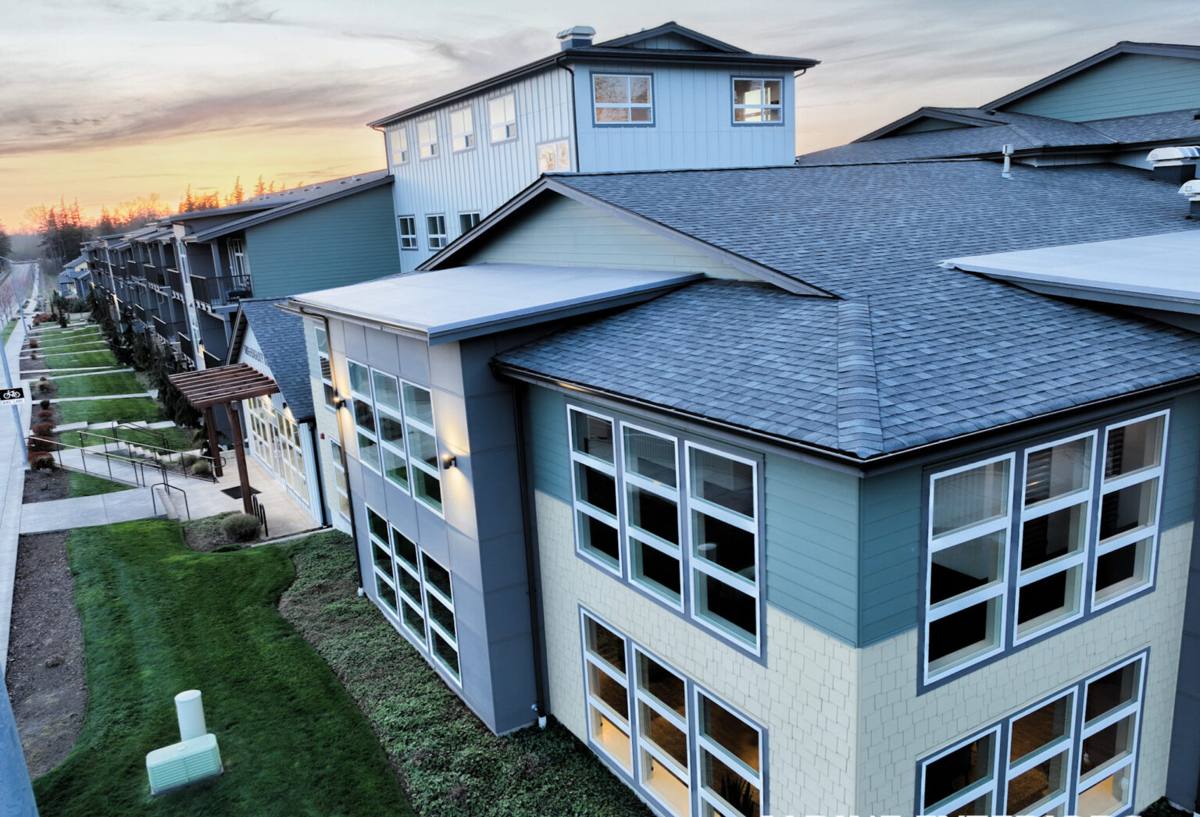
What Largo's Climate Actually Does to a Vertical Siding Profile
Wind-Driven Rain and the Seam Problem
Horizontal lap siding sheds water downward by design — gravity does most of the work. Board and batten runs vertically, so every batten joint is a potential path for wind-driven rain to get pushed upward and sideways into the wall assembly, especially during the tropical downpours and named storms that pass through the Tampa Bay area. If the boards underneath the battens aren't fastened and flashed correctly, or if the wrong sealants are used at the joints, water finds its way behind the siding rather than off of it. That's a slow, hidden problem — not a visible one — until it isn't.
UV and Coastal Salt Air
Board and batten has more exposed vertical surface and more trim edges than a standard lap profile, and all of that surface takes a beating from Florida's sun load year-round. UV breaks down paint film, causes fading, and dries out anything not rated for direct, sustained exposure. Add in the salt air common to Pinellas County's coastal-influenced climate, and any metal fasteners, trim, or lower-grade substrate materials are working against corrosion and moisture absorption at the same time. The result: a board and batten job built with the wrong materials or the wrong finish tends to show chalking, streaking, or soft spots at the joints well before a homeowner would expect a "new" siding job to need attention.
Why the Material Underneath the Battens Matters More Here
Board and batten can be built out of several different materials, and the differences that are minor on a flat lap wall become significant on a vertical, joint-heavy profile. Wood board and batten needs regular repainting and is vulnerable to rot at every batten seam where moisture can sit. Vinyl board and batten profiles can look convincing from the street, but vinyl expands and contracts with heat and can warp or crack under sustained UV and wind load, and it's not a fire-rated product. LP SmartSide and similar engineered-wood panel products use wood strand cores that, however well treated, remain wood at their core — meaning edge swelling and moisture sensitivity are inherent risks at cut ends and seams, which board and batten has more of than any other profile.
This is exactly why we standardized on James Hardie fiber cement for every siding job we do, board and batten included. Fiber cement doesn't have a wood core to swell or rot, it isn't combustible, and it's engineered specifically for climates like ours. We'd rather turn down a job than install a board and batten system on a substrate we don't trust to hold up through a decade of Pinellas County summers and storm seasons.
How We Build Board & Batten With James Hardie
James Hardie doesn't sell a single "board and batten panel" — the look is built correctly using their vertical siding system: HardiePanel vertical siding as the base plane, with HardieTrim boards installed as the battens over the panel seams. This is the same construction method used on well-built board and batten homes generally, just executed with a fiber cement substrate instead of wood or engineered wood.
Because Largo sits in a wind-borne debris region, we specify Hardie's HZ10 product line, engineered for hot, humid, storm-exposed climates like ours, rather than a generic panel meant for a milder market. Every panel arrives with Hardie's factory-applied ColorPlus finish baked on under controlled conditions — a finish that resists fading and chipping far better than field-applied paint, which matters enormously on a profile with this much sun-facing vertical surface.
What's Different About Detailing Board & Batten
- Battens are fastened independently of the panel below, not just nailed through both layers, so the assembly can move slightly with temperature changes without cracking
- Every panel seam behind a batten gets proper flashing or a rated joint treatment — battens are not a substitute for flashing, they're a cover over a properly sealed joint
- Starter strips and inside/outside corners are Hardie trim components sized and fastened to the same wind-load standard as the field panels, not mismatched trim from a different manufacturer
- Fastener spacing follows Hardie's published high-wind fastening schedule, not a standard schedule borrowed from a milder-climate install
What a Correct Installation Involves, Start to Finish
A board and batten job is judged by what's underneath it as much as by the finished look. The sequence below is what we consider non-negotiable on every Largo installation:
- Remove existing siding down to the sheathing and inspect for any hidden moisture damage or rot before anything new goes up
- Repair or replace any compromised sheathing — covering over a problem never solves it, it just hides it under new siding
- Install a code-compliant water-resistive barrier, lapped and sealed correctly at every penetration
- Flash all windows, doors, and roof-to-wall intersections before the first panel goes on
- Install HardiePanel vertical panels with the correct gap and fastening for our wind zone
- Install HardieTrim battens over each seam, fastened independently per Hardie's specification
- Caulk and seal only where Hardie's install guide calls for it — over-caulking traps moisture just as often as under-caulking lets it in
- Final inspection of every seam, corner, and penetration before the job is called complete
Skipping or rushing any one of these steps is exactly how a board and batten job ends up looking fine for a season or two before problems start at the joints.
Our Process for Largo Homeowners
We start with an on-site walk of the home to look at existing siding condition, wall assembly, sun exposure, and how much of the home is a good candidate for board and batten versus a lap profile or a mixed approach — many Largo homes use board and batten as a gable or accent treatment alongside standard HardiePlank on the main walls, which we can plan for as one cohesive job. From there we put together a written scope covering tear-off, substrate repair if needed, the specific Hardie products and colors, and a realistic timeline that accounts for Florida's rain patterns rather than ignoring them. We work in Largo regularly, so we're not guessing at permitting requirements or typical wall conditions in the area — we've already seen what this climate does to a house.
Cost Factors on a Largo Board & Batten Job
| Factor | Why It Moves the Price |
|---|---|
| Full elevation vs. accent area | Board and batten as a gable or entry accent costs far less than siding an entire home in the profile |
| Substrate condition | Rotted or water-damaged sheathing found during tear-off adds repair cost before new siding goes on |
| Trim and corner complexity | More windows, dormers, and roof intersections mean more flashing and trim labor |
| Batten spacing and reveal | Tighter batten spacing uses more trim material and labor time than a wider reveal |
| ColorPlus color selection | Standard color offerings versus premium or custom-match colors carry different material costs |
| Tear-off vs. new construction | Removing and disposing of existing siding adds labor that new construction doesn't require |
Maintenance: What Board & Batten Actually Needs Afterward
Fiber cement board and batten is low-maintenance, not no-maintenance. A little seasonal attention keeps it performing the way it's supposed to in this climate:
- Rinse the exterior periodically to clear salt residue, especially on sides of the home facing prevailing coastal winds
- Walk the exterior after major storms and check batten seams and trim for any new gaps, cracking, or fastener issues
- Keep irrigation heads and sprinklers from spraying directly on the lower courses — constant wetting shortens the life of any siding finish
- Watch for caulking that has dried out or pulled away at trim joints and have it addressed before it becomes a water path
- Trim back landscaping that holds moisture against the siding or blocks airflow along a wall
Why Hiring a Crew That Already Works Largo Matters
Board and batten forgives fewer mistakes than lap siding because it has more joints, more vertical exposure, and less built-in tolerance for sloppy flashing. A crew that only occasionally works this profile, or that isn't used to detailing for Pinellas County's wind and rain patterns, is more likely to treat battens as decorative trim rather than part of a water-management system. We install James Hardie exclusively, we detail every board and batten job to the fastening and flashing standard the product actually requires, and we've built enough of these in the Largo area to know where homes here typically need extra attention — around older window openings, at roof-to-wall transitions, and on elevations that take the brunt of prevailing wind and rain.
If you're weighing board and batten for your Largo home, we're happy to walk the property, look at what you're working with, and give you an honest read on scope and cost — no pressure, no sales script. Reach out using the form below to set up a free estimate.