 Clearwater Window
 Storm Damage Roof Repair for Harbor Oaks Homes
Harbor Oaks sits close enough to the water that every roof in the neighborhood is doing double duty — shedding the ordinary Florida sun and rain most of the year, then standing up to whatever a tropical system throws at it during hurricane season. When a storm passes through Clearwater, the roof is almost always the first part of the house to take the hit, and it's often the last thing homeowners get around to inspecting because the damage isn't always obvious from the ground. That gap between "storm passed" and "roof actually checked" is where small problems turn into big ones.
This page covers what storm damage roof repair actually means for a Harbor Oaks home specifically — not a generic roofing overview, but what the climate here does to a roof, what a correct repair involves, and why local experience on this type of work matters more than it might seem.
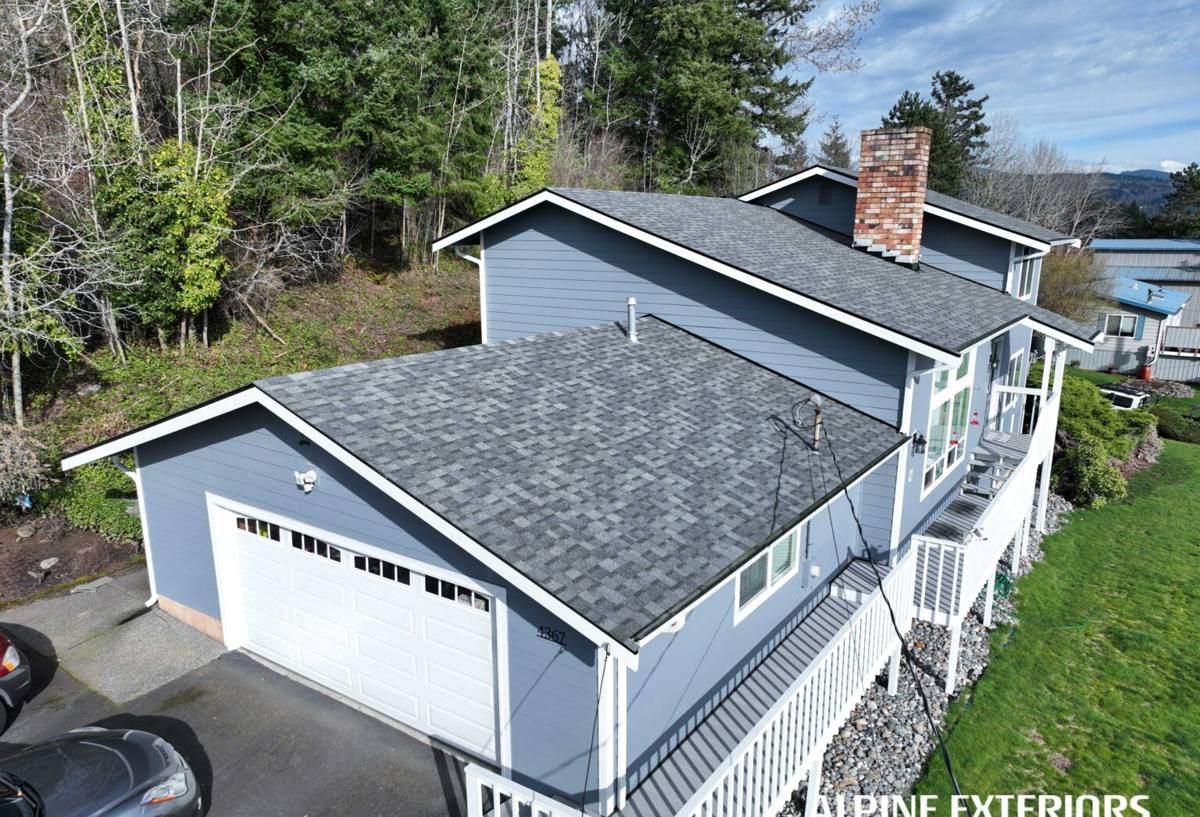
What Storms Do to a Pinellas County Roof
Roof damage in this part of Florida rarely comes from one dramatic event. More often it's a combination of stresses that build on each other over a season, and a storm is just the thing that finally exposes weak points that were already there.
Wind Uplift
Hurricane-force and even tropical-storm-force winds create uplift pressure at roof edges, corners, and ridge lines — the areas most likely to lose shingles, tiles, or flashing first. Once a few pieces lift or go missing, the underlayment underneath is exposed, and the next round of rain finds its way in even if nothing looks obviously wrong from the driveway.
Wind-Driven Rain
Straight-down rain and wind-driven rain behave very differently on a roof. Wind-driven rain gets pushed up and under laps, seams, and flashing that were never designed to handle water moving sideways or uphill. This is how a roof that "held up fine" in the storm ends up with a slow leak weeks later.
Year-Round UV and Heat
Clearwater doesn't get a real winter break from sun exposure. UV breaks down asphalt shingle granules, dries out sealant strips, and makes underlayment brittle over time. A roof that's already UV-fatigued has far less flexibility to absorb wind stress, which is why older roofs tend to show storm damage first and worst.
Salt Air
Being near the coast means fasteners, flashing, and metal roof components deal with salt-laden air that accelerates corrosion compared to inland areas. Corroded nails and flashing lose their holding strength quietly, long before a homeowner would notice, and that's often the real reason a section of roofing failed in a storm that a similar roof further inland shrugged off.
Signs Your Harbor Oaks Roof May Have Storm Damage
Some damage is obvious. Most isn't. After any significant wind or rain event, it's worth walking the property and checking the following:
- Shingles, tiles, or ridge caps that are missing, cracked, or visibly out of alignment
- Granules collecting in gutters or at downspout discharge points
- Soft spots, sagging, or discoloration on interior ceilings, especially near exterior walls
- Flashing around chimneys, vents, or skylights that looks lifted, bent, or separated
- Debris punctures or dents from wind-blown branches or roof-mounted equipment
- Water stains in the attic, or daylight visible through the roof deck from inside
- A musty smell or new signs of moisture in closets or rooms under the roofline
None of these by themselves mean the whole roof needs replacing — but every one of them is worth a professional look before the next storm rolls through, because minor damage left alone is exactly what turns into major damage during the next event.
What a Correct Storm Damage Repair Actually Involves
A proper storm repair isn't just replacing the shingles or tiles that are visibly missing. It's addressing the whole system that keeps water out, since wind and rain damage rarely stays confined to the spot you can see from the ground.
Deck and Underlayment Check
If water got past the roofing material, the deck underneath needs to be checked for saturation or soft spots before anything new goes back on. Covering a wet or compromised deck with new roofing just traps the problem.
Underlayment Continuity
The underlayment is the actual waterproofing layer — the visible roofing material mostly protects it from UV and physical wear. Any repair needs to reestablish a continuous, properly lapped underlayment in the damaged area, not just patch around it.
Flashing and Penetrations
Storm damage often shows up first at flashing points — valleys, chimneys, vent boots, and wall-to-roof transitions. These get inspected and resealed or replaced as part of any legitimate storm repair, since they're the most common source of leaks that show up long after the storm itself.
Fastening Standards
Given the wind exposure and salt air in this area, fastener choice and pattern matter. Repairs are done to match or exceed the wind-resistance standards the original roof was installed to, not just reattached the fastest way possible.
Repair or Replace? Weighing the Real Factors
Not every storm-damaged roof needs full replacement, and not every roof can be safely patched. The right call depends on a few honest factors:
| Factor | Leans Toward Repair | Leans Toward Replacement |
|---|---|---|
| Extent of damage | Isolated area, single slope or section | Widespread across multiple slopes |
| Roof age | Roof is under roughly 10-15 years old | Roof is near or past its expected service life |
| Deck condition | Deck is dry and structurally sound | Deck shows rot, saturation, or soft spots |
| Material availability | Matching materials still exist for a clean blend | Discontinued or mismatched materials involved |
| Approximate cost | Generally a few hundred to a few thousand dollars | Typically a five-figure investment depending on size and material |
These are general guidelines, not a substitute for an on-roof inspection — two roofs of the same age can be in very different condition depending on maintenance history and prior storm exposure. We'll always tell you plainly which category your roof falls into and why, rather than defaulting to the more expensive option.
Our Process for Harbor Oaks Storm Repairs
1. Inspection and Documentation
We walk the roof (or use appropriate access methods when conditions don't allow it) and document every area of damage with clear notes and photos — the same documentation that insurance adjusters expect to see, organized in a way that makes your claim easier to support rather than harder.
2. Temporary Protection
If the roof has an active leak or exposed deck, our first priority is stopping additional water intrusion — tarping or temporary sealing to protect the home while the full repair is scoped and materials are sourced.
3. Scope and Material Match
We put together a written scope that specifies exactly what's being repaired, what materials will be used, and how they'll be matched to your existing roof as closely as possible.
4. Permitting
Where the scope of repair requires it, we handle the permitting through the appropriate local jurisdiction rather than skipping that step to move faster.
5. Repair and Final Check
Work is completed to match existing wind-resistance and waterproofing standards, and we do a final walkthrough with you so you know exactly what was done and what to watch for going forward.
Why Local Experience in Harbor Oaks Matters
A crew that already works this neighborhood knows the common roof types, typical ages of construction, and the specific ways coastal wind and salt exposure tend to show up here — that's not something you can fully substitute with a general roofing checklist. Local experience also means faster response after a storm, when demand for repairs spikes across Clearwater and Pinellas County all at once and availability becomes the real bottleneck, not skill.
It also means familiarity with the permitting and inspection expectations of the local jurisdiction, so repairs don't stall out on paperwork after the physical work is already done.
Materials We Work With
Harbor Oaks has a mix of roofing types, and the right repair approach depends on what's already on the house.
- Asphalt shingles — the most common material locally; repairs focus on matching granule color and maintaining proper wind-rated fastening patterns
- Concrete and clay tile — repairs require careful handling to avoid cracking surrounding tiles and attention to the underlayment beneath, since the tile itself is rarely what fails first
- Metal roofing — repairs prioritize fastener and seam integrity, since that's typically where wind-driven rain finds a way in
We won't push a material change during a storm repair just because it's more profitable for us — if your existing roof is asphalt shingle and in otherwise good shape, a shingle repair is the honest recommendation, not an upsell to something else.
Insurance Documentation Notes
Most storm damage claims move faster and get approved more cleanly when the damage is documented promptly, before secondary issues like interior water staining or mold complicate the picture. We provide the kind of photo documentation and written scope that adjusters are used to working from, and we're glad to walk your roof alongside an adjuster if that's helpful — but we work for you, not the insurance company, and our recommendations reflect what the roof actually needs.
If a recent storm has left you unsure whether your Harbor Oaks roof needs attention, we're happy to take a look and give you a straight answer. Request a free, no-pressure estimate using the form below.