 Clearwater Window
 Roof Repair in Harbor Oaks: Built for This Specific Neighborhood
Harbor Oaks is one of Clearwater's older, established neighborhoods — mature tree canopy, a mix of home ages and roof types, and a location close enough to the water that salt air and storm exposure are part of daily life. Roof repair here isn't a one-size-fits-all job. A house under heavy oak cover has different problems than one two streets over with full sun exposure, and a roof that's been patched by two or three different contractors over the years often has hidden issues layered on top of the visible one. This page is about that one job, done right, for homes in this specific part of Pinellas County.
We're not going to pitch you on a full tear-off if a targeted repair will hold. And we're not going to slap a patch on something that needs real attention just to get a quick invoice out the door. The goal is a repair that actually solves the problem and holds up through the next storm season, not just until the next heavy rain.
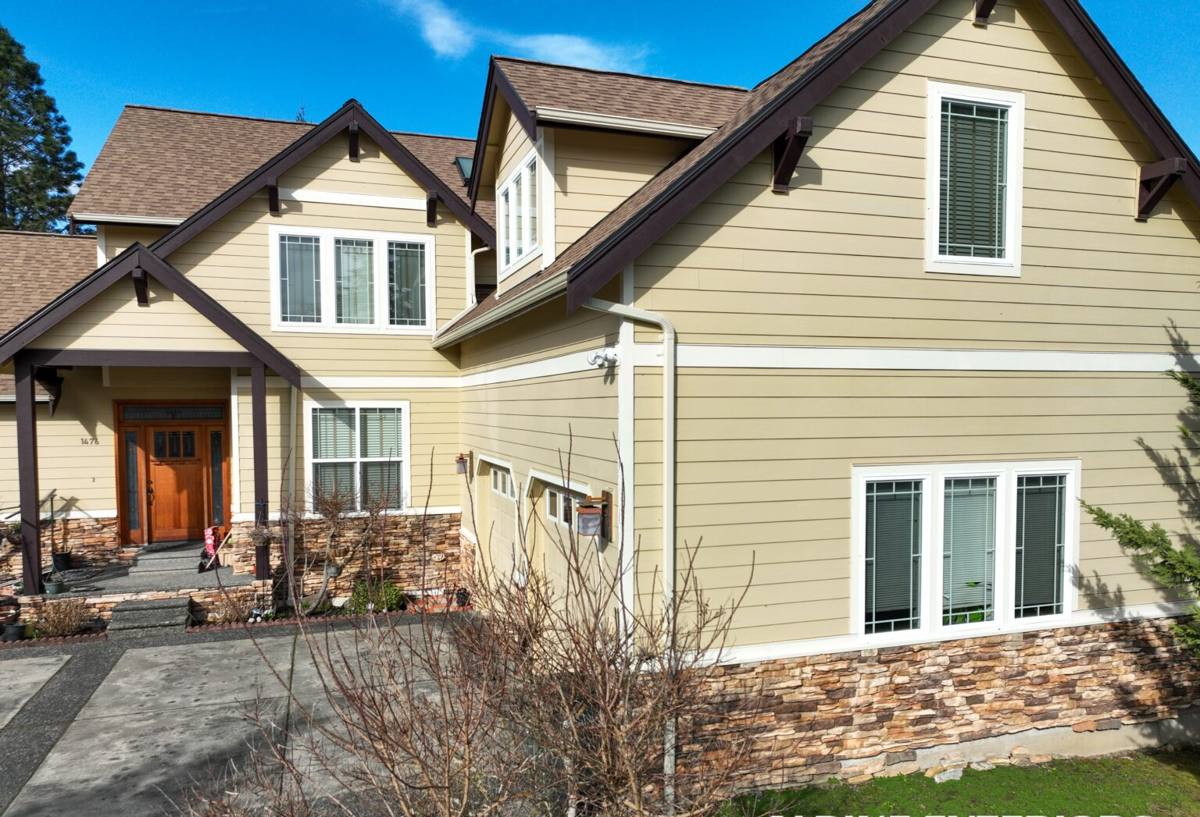
Why Harbor Oaks Roofs Take a Particular Kind of Beating
Every roof in Clearwater deals with the same baseline climate: intense year-round UV, hurricane-force wind events, wind-driven rain that gets pushed sideways under flashing and shingle edges, and salt air that accelerates corrosion on anything metal. Harbor Oaks adds its own layer on top of that.
Tree Canopy
The mature oaks that give the neighborhood its character and shade also mean more debris on the roof — leaves, small branches, pollen buildup — and more shade, which keeps roof surfaces damp longer after rain instead of drying quickly in direct sun. Damp organic debris sitting in valleys and against flashing is one of the more common causes of localized leaks and granule loss we find on repair calls in this area.
Older Roof Stock
Because it's an established neighborhood, a fair number of Harbor Oaks homes have roofs that have already been through one or more repair cycles, or are approaching the age where minor issues start compounding. An older roof isn't automatically a bad roof, but it does mean a repair has to account for what's underneath — underlayment condition, deck integrity, flashing that may have been installed to an older code — not just the visible symptom.
Proximity to the Water
Salt-laden air moving in off Clearwater Harbor and the Gulf accelerates corrosion on exposed fasteners, flashing, and metal roof edges faster than it would inland. A repair that ignores this and uses standard hardware instead of corrosion-resistant fasteners is a repair that fails again sooner than it should.
Common Roof Repair Issues We See in Harbor Oaks
- Flashing failures around chimneys, skylights, and roof-to-wall transitions — often the actual leak source even when the damage shows up somewhere else on the ceiling
- Wind-lifted or cracked shingles from gusts working an edge loose, especially near ridge lines and roof edges where uplift forces are highest
- Valley deterioration from debris and standing water sitting longer under tree cover
- Nail pops and fastener corrosion from age combined with salt-air exposure
- Soft spots or sagging deck areas where a slow leak has gone unnoticed long enough to affect the wood underneath
- Damaged or missing pipe boots and vent seals — small parts that are a common source of leaks people rarely think to check
- Tile cracking or slipping on homes with concrete or clay tile, often from foot traffic during other work, or age-related mortar and fastener failure
Most of these show up as a stain on a ceiling or a damp spot in an attic long before the homeowner sees anything wrong on the roof itself. By the time water is visible inside, it's usually been finding its way in for a while.
What a Correct Roof Repair Actually Involves
A repair that's done right isn't just "find the hole, cover the hole." It starts with figuring out where the water is actually entering — which is frequently not directly above where the stain shows up inside, since water travels along the deck and rafters before it drips.
The steps that matter
- Inspect the affected area from both the roof surface and the attic or interior side, if accessible
- Trace the actual entry point rather than assuming it's directly above the visible damage
- Check the condition of the decking underneath — soft or delaminated wood needs to be addressed, not covered over
- Assess surrounding shingles, tiles, or flashing for related wear, not just the immediate failure point
- Use materials and fasteners rated for coastal, high-UV exposure
- Reseal and re-integrate the repair into the surrounding roofing system so water sheds correctly, rather than just caulking a gap
- Confirm the fix from the interior after the next rain event when possible, or explain what the homeowner should watch for
Skipping the "why is water getting in" step and jumping straight to a patch is the single most common reason a repair fails again within a year or two. It's also the most common reason homeowners end up paying for the same leak twice.
Repair or Replace? What Actually Drives That Decision
Not every roof problem needs a full replacement, and not every roof problem should be treated as "just a patch." The honest answer depends on a handful of factors, not a sales pitch.
| Factor | Leans Toward Repair | Leans Toward Replacement |
|---|---|---|
| Roof age | Well within expected service life for the material | Near or past typical lifespan for that roofing type |
| Extent of damage | Localized — one flashing point, a small shingle area, one valley | Widespread wear across multiple sections of the roof |
| Deck condition | Solid, no rot or soft spots found | Soft decking, multiple areas of moisture damage |
| Repair history | First or second repair in this area | Same spot has already been patched multiple times |
| Underlayment condition | Intact and still doing its job | Brittle, failing, or original to a much older roof |
We'll tell you honestly which side of that table your roof falls on, including when a repair is genuinely the right call and a full replacement would be overkill. If a roof is closer to the end of its useful life, we'll say so — but we're not going to talk a homeowner into replacement when a properly done repair will serve them for years.
Repair Considerations by Roofing Material
Harbor Oaks has a mix of roofing types, and the right repair approach depends on what's actually up there.
| Material | Common Repair Needs | What to Watch For |
|---|---|---|
| Asphalt shingle | Wind-lifted or missing shingles, granule loss, flashing resealing | Matching existing shingle color/style as closely as possible; brittle older shingles cracking during repair |
| Concrete or clay tile | Cracked or slipped tiles, underlayment leaks beneath intact tile | Foot traffic damage during unrelated work; sourcing a reasonably close tile match |
| Metal roofing | Fastener corrosion, seam and panel-edge sealing | Salt-air corrosion on exposed fasteners near the coast |
| Flat or low-slope sections | Membrane seam failures, ponding water issues | Drainage — repairs that don't address ponding tend to fail again |
Our Roof Repair Process
- Inspection and diagnosis — we look at the roof, the attic space where accessible, and the interior damage together to find the actual cause
- Straight explanation — what's wrong, what's causing it, and what it will take to fix it correctly, in plain terms
- Written estimate — a clear scope of work before anything starts, no surprise add-ons
- The repair itself — done with materials and fastening appropriate for coastal Florida conditions, not whatever's cheapest
- Site cleanup — no debris, no stray nails left in the yard or driveway
- Follow-up — if something doesn't hold the way it should after the next rain, we want to know about it
Why Hiring a Crew That Already Works in Harbor Oaks Matters
A roofer who works this neighborhood regularly already knows what tends to show up — the tree debris issues, the older flashing details on established homes, the corrosion patterns from being closer to the harbor. That familiarity shortens the diagnosis process and reduces the chance of a repair crew missing a contributing factor because they've never dealt with it before.
It also matters for something more practical: accountability. A contractor who works Clearwater and Pinellas County regularly has a reputation to maintain in this market. That's a real incentive to do the repair right the first time rather than rush a patch and move on to the next job.
When you're vetting anyone to work on your roof, ask direct questions: are they licensed and insured in Florida, will they put the scope of work in writing, and will they explain what they found and why before starting? A contractor who's confident in their work will answer all three without hesitation.
Simple Maintenance That Extends the Life of a Repair
A good repair lasts longer with a little basic upkeep, especially under Harbor Oaks' tree cover:
- Keep gutters and valleys clear of leaves and debris, particularly after storms
- Trim back branches that overhang or rub against the roof surface
- Have the roof looked at after any major wind event, even if nothing looks obviously wrong from the ground
- Address small leaks quickly — a stain that seems minor today is usually cheaper to fix than the same leak six months later
If you're seeing a stain on a ceiling, missing shingles after a storm, or just want an honest opinion on the condition of your roof, we're glad to take a look. Fill out the form below for a free, no-pressure estimate — we'll tell you what we actually see, not just what's easiest to sell.