 Clearwater Window
 Harbor Oaks and the Climate Your Windows Are Actually Fighting
Harbor Oaks homes sit close enough to the water and open enough to the sun that windows here work harder than windows almost anywhere else in the country. It's not one problem — it's four happening at once, year-round. Hurricane-force wind events test the structural integrity of the frame and the seal around it. Intense, near-constant UV breaks down vinyl, foam, and sealants faster than manufacturers' national averages assume. Wind-driven rain finds any weak point in flashing or caulking and pushes water sideways, not down. And salt air corrodes hardware, screws, and metal components that would last decades in a drier, inland climate.
Any one of those stresses is manageable on its own. All four, applied continuously for years, is why we see window failures in Clearwater neighborhoods a decade or more before the same product would fail somewhere in the Midwest. An energy-efficient window here isn't just about a utility bill — it's a structural and moisture-management decision first, with energy savings as one of the benefits that follows from getting the rest right.
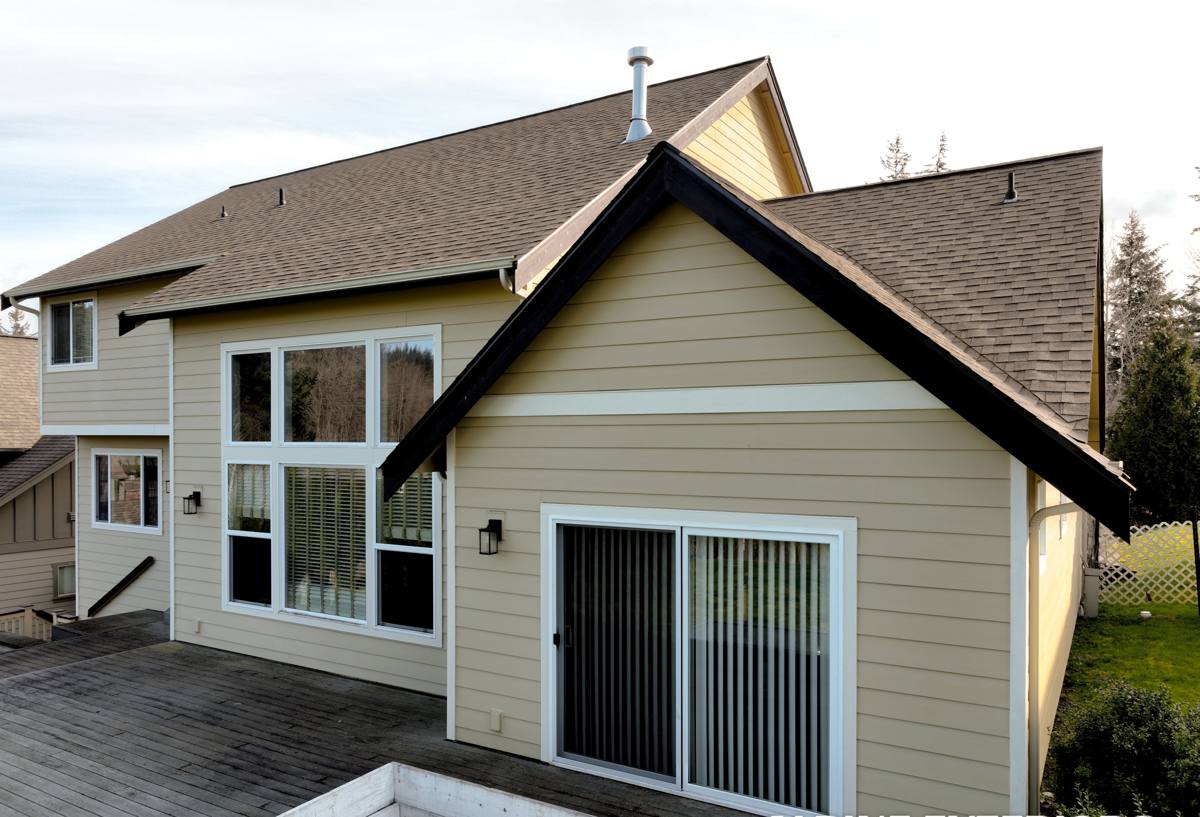
What "Energy-Efficient" Actually Means for a Pinellas County Home
"Energy-efficient" gets used as a marketing word more than a technical one. For a home in this part of Florida, it should describe a specific set of properties, not just double glass and a sticker.
The glass package
Low-E coatings reduce how much solar heat radiates through the glass — critical here since cooling load, not heating, is what drains a Florida electric bill most of the year. Insulated (double-pane) units with the right gas fill and spacer design also cut down on radiant heat and condensation. The specific U-factor and Solar Heat Gain Coefficient (SHGC) numbers matter more than the brand name on the box — look for NFRC-rated performance data, not just a label that says "energy efficient."
The frame material
Frame choice affects both insulation and how the window ages in salt air. Vinyl resists corrosion but needs UV-stable formulations to avoid yellowing and brittleness. Aluminum is strong and slim-profile but conducts heat unless thermally broken. Fiberglass and composite frames split the difference — good stability, low expansion/contraction, decent UV resistance — usually at a higher upfront cost. There isn't one universally "right" answer; the right frame depends on your home's exposure, your budget, and how the window will be installed and flashed.
The installation, not just the product
A high-performance window installed with a poor seal, wrong shimming, or inadequate flashing will underperform a mid-grade window installed correctly. This is the piece homeowners have the hardest time evaluating from a sales brochure, and it's the piece that determines whether a window actually delivers on its energy and weatherproofing promises over 15-20 years.
Wind, Water, and Code: What Applies in This Part of Clearwater
Pinellas County enforces the Florida Building Code's high-velocity and wind-borne debris provisions based on a property's specific wind zone and distance from the coast, and Harbor Oaks' location means many homes fall under requirements for impact-rated glazing or an approved opening-protection system. This isn't optional paperwork — it determines what products are even legal to install, what permitting looks like, and what your insurance carrier may require for windstorm coverage.
Before any proposal is finalized, we pull the applicable wind design pressures for the specific address and confirm what product line and anchoring method the permit will require. Two houses a few blocks apart in Harbor Oaks can carry different pressure requirements depending on roof height, exposure category, and proximity to open water — there's no single "standard window" that's correct for the whole neighborhood.
- Confirm current wind zone and design pressure requirements for the property before quoting
- Verify whether impact-rated glazing or a code-approved protective system is required
- Pull the correct permit through the local building department — never skip this step
- Match anchoring and fastening schedule to the manufacturer's tested and approved installation instructions
- Document everything for insurance — proper permits and inspections often affect windstorm premium credits
Signs Your Current Windows Are Already Working Against You
Homeowners often call us after noticing a symptom, not because they set out to research window replacement. In this climate, a few patterns show up consistently:
- Foggy or hazy glass between panes — the seal has failed and the insulating gas has escaped
- Visible daylight or a draft felt around the frame, especially during windy weather
- Chalky, faded, or brittle exterior trim and frames from sustained UV exposure
- Water staining on interior sills after wind-driven rain, even without a direct storm hit
- Corroded or seized hardware — locks, cranks, or hinges that no longer move smoothly
- A noticeably hotter room in the afternoon sun compared to the rest of the house
Any of these on their own might be fixable. Several appearing together on the same window, especially an older single-pane or early-generation double-pane unit, usually means the window has reached the point where repair costs approach replacement cost without solving the underlying problem.
How We Approach a Harbor Oaks Window Job
The process is the same discipline every time, adjusted to the specific house:
1. On-site assessment
We look at each opening individually — not every window on a home has identical exposure, framing condition, or moisture history. We check for water intrusion history, wood rot around the rough opening, and existing flashing condition before recommending anything.
2. Product and pressure matching
Based on the wind zone and exposure for the address, we identify which glazing and frame combinations meet the required design pressure and impact rating, then narrow the options based on your budget and aesthetic preference.
3. Permitting
We handle the permit application with the local building department and schedule required inspections. This step gets skipped by some installers to save time — it shouldn't be, since it protects both your insurance standing and your resale disclosures.
4. Removal and prep
Old windows come out carefully to expose the rough opening for inspection. Any rot, deteriorated flashing, or improper prior work gets addressed before a new window goes in — installing a new window into a compromised opening just relocates the same water problem.
5. Installation and flashing
Proper shimming, fastening per the manufacturer's tested schedule, and correctly lapped flashing and sealant are what actually keep wind-driven rain out — this is the step where installation quality separates a window that performs for 20 years from one that fails in five.
6. Final inspection and walkthrough
We confirm operation, sealant cure, and code sign-off, and walk the homeowner through what to expect during the first storm season and what maintenance keeps the warranty intact.
Comparing Frame and Glazing Options for This Neighborhood
| Feature | Vinyl | Aluminum | Fiberglass/Composite |
|---|---|---|---|
| Salt air corrosion resistance | Good (UV-stable formulations) | Fair (needs coating/anodizing) | Very good |
| Insulating value | Good | Lower unless thermally broken | Very good |
| Relative upfront cost | Lowest | Mid | Highest |
| Structural strength for large openings | Moderate | High | High |
| Long-term UV/color stability | Depends on formulation | Very good | Very good |
None of these is automatically "best" — a smaller bedroom window and a large impact-rated picture window on the same house may reasonably use different frame materials to balance cost, strength, and appearance.
A Homeowner's Pre-Install Checklist
Whoever you hire, these are worth confirming before signing anything:
- Is the contractor licensed and insured in Florida, and can they provide proof on request?
- Will they pull the permit themselves, or is that left to you?
- Do they know the specific wind design pressure requirement for your address, or are they quoting a generic product?
- Is the glazing package's NFRC-rated U-factor and SHGC disclosed in writing, not just a general "energy efficient" claim?
- What does the warranty cover — glass seal failure, frame defects, and labor — and for how long?
- Will they inspect and address the rough opening (rot, old flashing) as part of the job, or just swap the window?
- Can they explain, in plain terms, why they're recommending a specific frame and glass combination for your home?
Maintenance That Actually Extends the Life of the Investment
Even a correctly installed, well-rated window needs some upkeep in this climate. Rinsing frames and tracks periodically helps clear salt residue before it accelerates corrosion on hardware. Checking exterior sealant annually for cracking or shrinkage — especially after a rough storm season — catches small gaps before they become water intrusion. Lubricating locks and cranks keeps hardware from seizing in salt air, and keeping weep holes clear ensures any water that does get into the frame track can drain out as designed rather than pooling.
Why a Crew That Already Works Harbor Oaks Matters
A contractor who's worked this specific area understands the practical realities that don't show up in a spec sheet — the typical age and construction of homes here, common rough-opening conditions we run into, and how the local building department wants permits documented. That familiarity shortens the assessment phase and reduces surprises mid-project. It also means we're not guessing at wind pressure zones or applying a one-size-fits-all recommendation borrowed from a different part of the county. Windows are a long-term investment in a coastal Clearwater home, and the difference between a job that holds up through a decade of hurricane seasons and one that doesn't usually comes down to whether the installer understood the specific conditions of the house and the neighborhood, not just the product catalog.
If you're weighing a window project for a Harbor Oaks home, we're happy to take a look and give you a straightforward, no-pressure estimate — no obligation, just an honest read on what your home actually needs. The form below is the easiest way to get started.