 Clearwater Window
 Board & Batten Siding in Harbor Oaks: Built for This Neighborhood, Built for This Climate
Harbor Oaks is one of Clearwater's older, more established neighborhoods, and it shows in the character of its homes — a mix of architectural styles, mature landscaping, and a look that a lot of newer subdivisions simply don't have. Board and batten siding fits that character well. The vertical lines read as clean, classic, and a little more custom than standard lap siding, which is part of why we get asked about it often in this area.
But Harbor Oaks sits close to the water, like the rest of Clearwater, which means the siding on these homes is doing real work every day. Hurricane-force wind events, near-constant UV exposure, wind-driven rain, and salt-laden air off the Gulf and Tampa Bay all act on exterior materials here faster than they do fifty miles inland. Board and batten has more seams, more joints, and more vertical trim than a lot of siding styles — which means the material and the installation both matter more, not less, in a climate like this one.
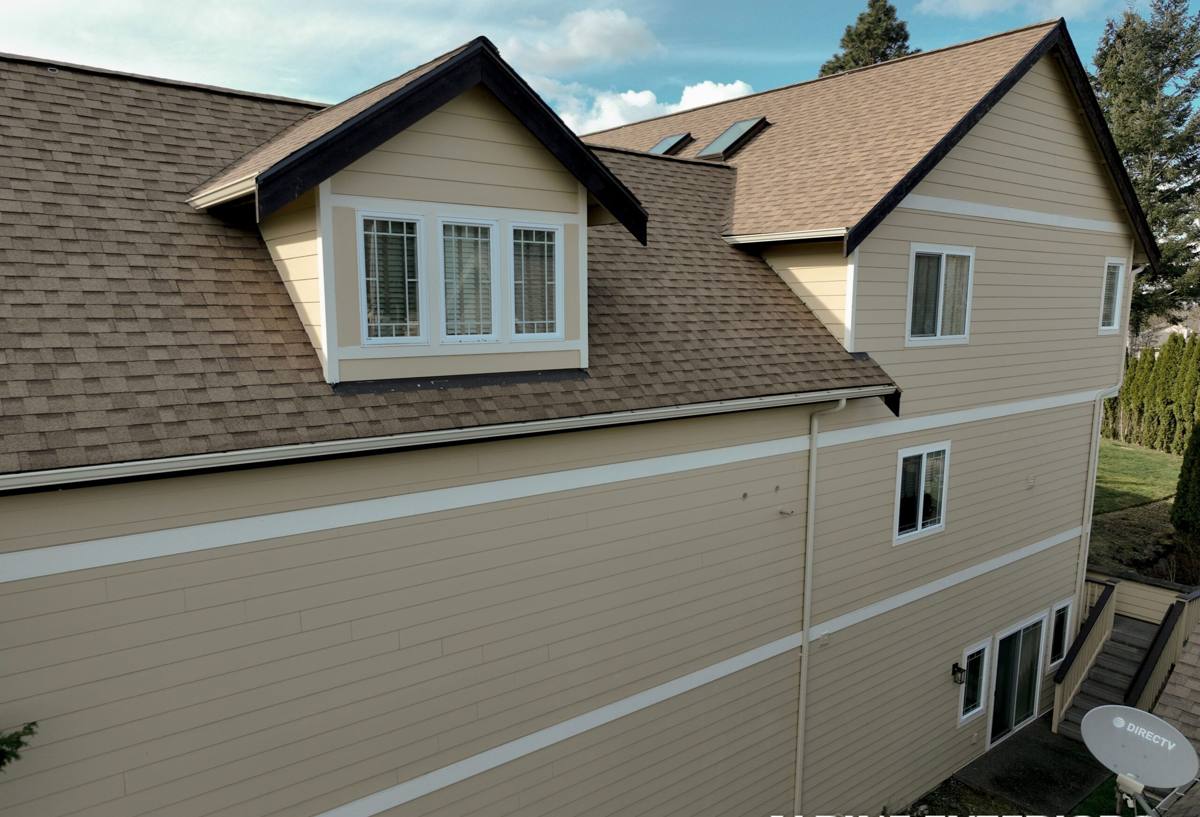
What Board & Batten Siding Actually Is
Board and batten is a two-layer siding system: wide, flat panels or boards installed first, with narrower strips (the "battens") fastened over the seams between them. The result is a strong vertical line pattern, historically used to cover gaps in wood siding and now chosen mostly for its clean, architectural look. It's common as an accent on gables, porches, and dormers, and increasingly popular as a full exterior treatment on homes that want a more distinct, less "production builder" appearance — which is exactly the kind of look that suits a neighborhood like Harbor Oaks.
The look is simple. The execution is not. Every seam under every batten is a potential water entry point if it isn't detailed correctly, and in a coastal wind-driven-rain climate, that detailing is the difference between siding that lasts decades and siding that causes a moisture problem behind the wall in five years.
Why the Material Choice Matters More With This Profile
Because board and batten has more exposed trim and more vertical joints than horizontal lap siding, the material underneath needs to hold its shape, resist moisture movement, and take a fastener cleanly. Materials that swell, cup, or soften at the edges will telegraph those problems through a board and batten pattern faster than through lap siding, because the straight vertical lines make any waviness or gapping much more visible.
Why We Install Board & Batten Only in James Hardie Fiber Cement
We install James Hardie fiber cement exclusively — not vinyl, not LP SmartSide, not Cemplank, not Allura, not primed spruce or cedar. That's a deliberate standard, not a brand preference, and it applies just as much to board and batten as it does to any other siding profile we install.
Fiber cement is a blend of cement, sand, and cellulose fibers, engineered to be dimensionally stable in heat and humidity. That stability matters enormously on a board and batten job: the boards and battens need to stay straight and hold their reveal lines through Clearwater's summer heat and afternoon storms without warping, cupping, or pulling away from fasteners. Wood products can do this beautifully when new, but they're organic material — they absorb moisture, expand, contract, and eventually need repainting, caulking, and board replacement to keep looking straight. Vinyl board and batten is lightweight and low-maintenance, but it's a thinner, flexible product that can visibly wave in direct sun and is more vulnerable to cracking from wind-driven debris in a storm.
James Hardie's HZ5 product line is engineered specifically for high-humidity, storm-prone climates like ours, and its ColorPlus factory-applied finish is baked on and warranted against fading — which matters on a Clearwater home getting sun exposure most of the year. Hardie also carries a strong, transferable limited warranty on both the substrate and the finish, which is worth asking about directly when comparing quotes, since warranty terms vary a lot by manufacturer and by installer.
None of this means the other products are junk — LP SmartSide and vinyl both have legitimate use cases and loyal customers elsewhere. It means that after years of installing exteriors in this specific climate, we standardized on the one material that we've seen hold a straight board and batten line the longest with the least callback risk, and we'd rather tell a homeowner that plainly than sell them something we don't fully stand behind.
What a Correct Board & Batten Installation Involves
Board and batten fails in predictable ways when it's installed wrong, and almost all of those failures trace back to water management, not the material itself. A correct install in a coastal wind zone includes:
- A continuous weather-resistive barrier behind the siding, lapped and taped correctly at every seam and penetration
- Proper furring or direct-to-stud fastening per Hardie's engineering specs for our wind zone, not a generic nailing pattern
- Flashing at every horizontal transition — window and door heads, roof-to-wall intersections, and the base of the wall
- Correct fastener type, spacing, and embedment depth, sized for the wind-load requirements in the Florida Building Code for this area
- Batten placement that covers seams fully with the manufacturer-specified overlap, not just a cosmetic centerline
- Sealed, back-primed cut ends at every board and batten termination, especially around trim and corners
- Adequate clearance at grade and hard surfaces to keep the bottom edge of the siding away from standing water and irrigation spray
Skip any one of these steps and the siding can still look right for a year or two. The problems that show up later — soft spots, staining, fastener pops, cracked caulk lines that keep reopening — almost always trace back to one of these details being rushed or skipped during installation, not to a defect in the boards themselves.
Salt Air, UV, and Wind: What They Actually Do to This Profile
Salt-laden air accelerates corrosion on unprotected metal fasteners and flashing, which is why fastener material and coating matter as much as fastener placement this close to the coast. Intense, near year-round UV exposure breaks down pigments and coatings over time — this is where a factory-applied, baked-on finish like ColorPlus has a real advantage over field-applied paint, which starts degrading the moment it's exposed to Florida sun. And hurricane-force wind events put direct lateral load and wind-driven rain pressure on every seam and batten strip on the house, which is exactly why fastening schedule and flashing detail aren't optional upgrades — they're the baseline for anything installed in Pinellas County.
Comparing Board & Batten Material Options
| Material | Behavior in Coastal Heat/Humidity | Wind/Impact Resistance | Maintenance | Typical Lifespan Here |
|---|---|---|---|---|
| James Hardie Fiber Cement | Dimensionally stable, engineered for this climate | Strong, rated for high-wind installation | Low — factory finish, occasional caulk check | Decades with correct install |
| LP SmartSide (engineered wood) | Treated for moisture resistance but still wood-based | Good when installed and maintained correctly | Moderate — seams and cut edges need monitoring | Shorter than fiber cement in high-humidity coastal use |
| Vinyl | Can warp or wave in sustained direct heat | More prone to cracking from wind-driven debris | Low, but color is not repairable if faded/cracked | Variable; thinner profiles perform worse in storms |
| Cedar/Primed Wood | Absorbs moisture, expands and contracts seasonally | Depends heavily on maintenance condition | High — regular repainting, sealing, and board replacement | Shortest without a strict maintenance schedule |
Our Process for a Harbor Oaks Board & Batten Project
We treat every board and batten job as a water-management project first and a cosmetic upgrade second. On a typical Harbor Oaks home, that looks like:
- On-site assessment — checking existing siding condition, sheathing moisture, and any prior water intrusion around windows, roof lines, and the base of the walls
- Tear-off and substrate check — removing old siding and inspecting the sheathing underneath before anything new goes up, since covering a hidden moisture problem is how small issues become expensive ones
- Weather barrier and flashing installation — the layer nobody sees but the one that determines how the siding performs in the next storm
- Board and batten installation — fastened to Hardie's engineered spec for our wind zone, with battens set to fully cover every seam
- Trim, caulking, and finish detail — including corners, window and door surrounds, and transitions to roofline or other siding profiles
- Final walkthrough — reviewing the completed work with the homeowner and covering basic care before we leave the site
Caring for Board & Batten Siding in a Coastal Climate
A correctly installed James Hardie board and batten exterior is genuinely low-maintenance, but "low-maintenance" doesn't mean "no maintenance" — especially this close to the Gulf. A simple annual routine goes a long way:
- Rinse salt residue and airborne grime off the siding a few times a year, especially after storms
- Walk the exterior after major wind events and check caulk lines around trim and battens for cracking or separation
- Keep irrigation heads and sprinklers from spraying directly on the siding, which accelerates staining and mineral buildup
- Trim back landscaping that holds moisture against the wall or batten strips
- Have any soft spots, discoloration, or fastener pops looked at promptly rather than waiting for a full repaint cycle
Why Hiring a Crew That Already Works in Harbor Oaks Matters
Board and batten installed to a generic national spec can still fail in a coastal Pinellas County wind zone if the crew isn't accounting for local conditions. A contractor who already works in and around Harbor Oaks understands the wind-load and fastening requirements enforced under the Florida Building Code for this area, knows how to sequence a tear-off around Clearwater's afternoon storm patterns without leaving a house exposed, and has already seen how salt air and UV exposure age different materials on homes just like the ones on this street. That local track record shows up in fewer callbacks, tighter scheduling around weather, and a finished job that's actually built for what this specific location will throw at it — not just what a spec sheet assumes about "Florida" in general.
It also matters for a neighborhood with the kind of established, distinct character Harbor Oaks has. A board and batten installation should complement that character, not fight it, and that takes a crew that pays attention to proportion, reveal spacing, and trim detail — not just speed through the job.
If you're considering board and batten siding for a home in Harbor Oaks, we're happy to come take a look, walk the exterior with you, and put together a free, no-pressure estimate based on your home's actual condition — not a generic quote. Use the form below to get started.