 Clearwater Window
 Energy-Efficient Windows for Palm Harbor Homes
Palm Harbor sits close enough to the Gulf that every window on a house is doing more work than a builder's spec sheet usually accounts for. Between the salt air drifting in off the water, the long stretches of intense sun, and the wind-driven rain that comes with a typical Pinellas County storm season, windows here age differently than they do inland. A window that's merely "energy efficient" on paper but not built for this environment tends to underperform within a few years — seals soften, frames chalk and warp, and the energy savings homeowners were promised quietly disappear.
We install and replace energy-efficient windows specifically with Palm Harbor's climate in mind, not a generic national standard. That means looking at glass coatings, frame materials, and installation details through the lens of what actually happens to a window here over ten, fifteen, twenty years — not just what it tests at on day one.
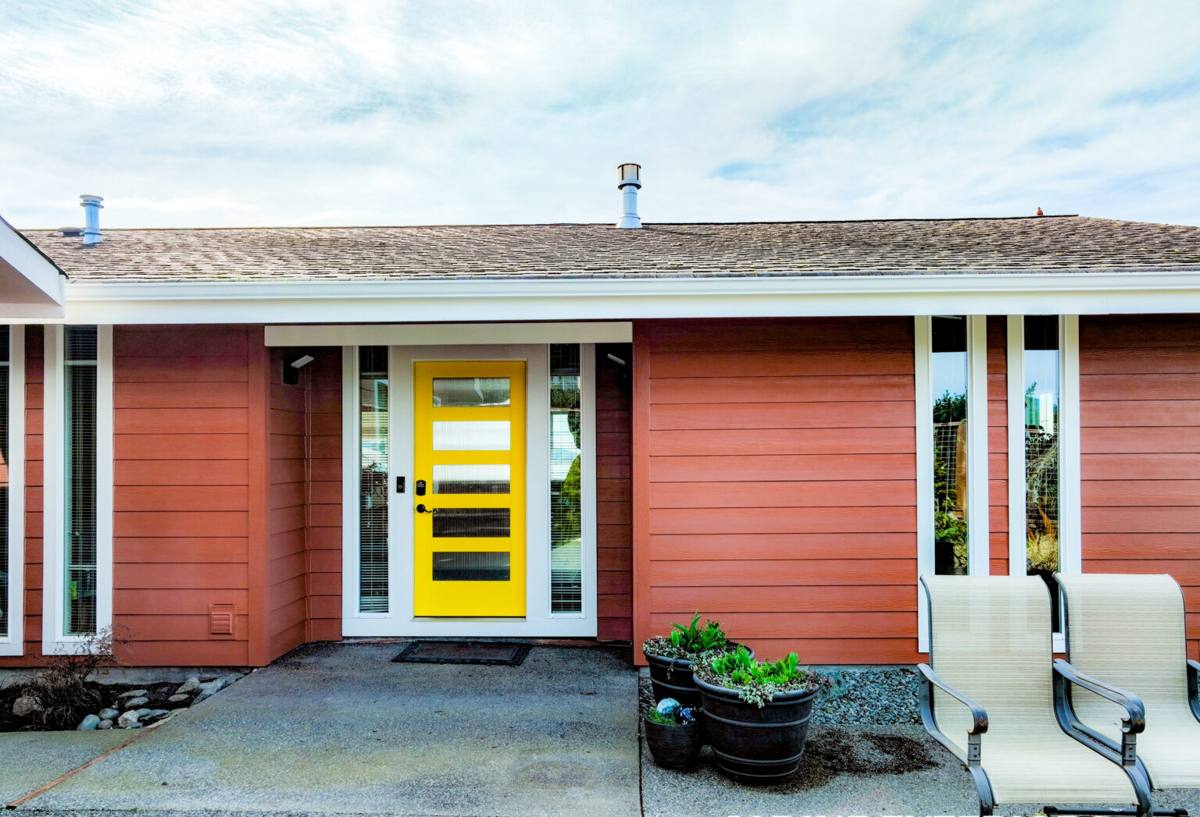
What Palm Harbor's Climate Actually Demands
Four things drive most of the window problems we see on service calls in this area, and they should drive the decisions on any replacement job too:
- Heat and UV load: Florida sun is intense nearly year-round, which pushes cooling costs up and degrades vinyl, caulking, and seals faster than in milder climates.
- Humidity and afternoon storms: Wind-driven rain during summer thunderstorms and tropical systems finds any gap in flashing or sealant, leading to slow leaks that show up as stains, mold, or soft drywall long before anyone notices water at the window itself.
- Salt air: Even set back from the immediate coastline, Palm Harbor gets enough salt-laden air that hardware, screens, and lower-grade metal components corrode faster than they would further inland.
- Windstorm exposure: Pinellas County isn't in Florida's High-Velocity Hurricane Zone (that's Miami-Dade and Broward), but it is squarely in a wind-borne debris region, and the Florida Building Code requires window products here to meet real wind pressure and impact standards.
Any energy-efficient window recommendation for a Palm Harbor home has to answer to all four of these at once — a window that's great on energy but weak on wind rating, or vice versa, isn't the right call here.
Reading the Numbers: U-Factor, SHGC, and Impact Rating
Energy performance on a window comes down to a small handful of ratings, and understanding them helps you compare quotes honestly instead of guessing.
U-Factor
This measures how much heat passes through the window — lower is better. In our climate, U-Factor matters most for keeping air-conditioned indoor air from bleeding heat back out overnight and keeping outside heat from soaking through the frame and glass during the day.
Solar Heat Gain Coefficient (SHGC)
This measures how much solar heat the glass lets through. For a west- or south-facing Palm Harbor home, a low SHGC rating is often more important than U-Factor, because it directly controls how hard your air conditioner has to work during peak afternoon sun.
Impact and Wind Rating
This is separate from energy performance but non-negotiable in this region. A window's Design Pressure (DP) rating and impact classification determine whether it meets Florida Building Code for your specific wind zone and exposure category, which depends on your home's location and height. We size every window to the actual wind pressures for the address, not a one-size-fits-all rating.
Frame and Glass Options We Install
There's no single "best" window material — the right choice depends on budget, the home's architecture, and how much upkeep you want to take on. Here's how the common options stack up for a Palm Harbor property specifically:
| Frame Type | Energy Performance | Coastal Durability | Maintenance |
|---|---|---|---|
| Vinyl (impact-rated) | Very good — multi-chamber designs insulate well | Good; resists corrosion, but darker colors can heat-soak in full sun | Low — no painting, occasional cleaning |
| Aluminum (impact-rated) | Fair to good depending on thermal break design | Very good structurally, but needs quality coatings to resist salt corrosion | Low to moderate |
| Fiberglass | Excellent — dimensionally stable, insulates well | Excellent — highly resistant to salt air and moisture | Low |
| Wood/wood-clad | Very good when new | Poor to fair without diligent upkeep in salt air and humidity | High — regular sealing and inspection required |
For most Palm Harbor homes, impact-rated vinyl or fiberglass frames paired with Low-E, laminated glass hit the best balance of energy savings, storm protection, and long-term cost. We'll walk through the honest trade-offs for your specific home rather than pushing one material across the board — a bay window on a shaded lot doesn't need the same spec as a west-facing wall of glass.
Our Installation Process
Energy-efficient glass only performs as well as the installation around it. A high-performance window set into a sloppy rough opening will leak air, moisture, or both, regardless of its rating. Our process on every Palm Harbor job follows the same sequence:
- On-site assessment: We measure each opening, check for existing water damage or rot around the frame, and note sun exposure and wind exposure for that specific elevation of the house.
- Product selection: We match frame material, glass package, and impact rating to the opening's exposure and the homeowner's budget and priorities.
- Removal and opening prep: Old windows come out carefully to check the framing underneath for hidden moisture damage before anything new goes in — a step that's easy to skip and expensive to regret later.
- Flashing and sealing: Proper flashing tape and sealant sequencing around the opening is what actually stops wind-driven rain; this is where most window leaks originate, not in the glass itself.
- Setting and shimming: Windows are shimmed level and plumb, fastened per the manufacturer's and code-required schedule for the wind zone, and insulated around the frame — not just caulked at the exterior.
- Final inspection and cleanup: We check operation, seal integrity, and finish work before we consider the job done, and pull any required permit inspection through to close-out.
Signs Your Current Windows Are Losing You Money
Homeowners often live with underperforming windows for years simply because the signs are gradual. Worth checking for:
- Rooms near windows feel noticeably hotter or colder than the rest of the house
- Condensation forming between panes (a sign the seal has failed on double-pane glass)
- Visible daylight or a draft when the window is closed and locked
- Frames that feel warm to the touch on the interior side during peak sun
- Difficulty opening, closing, or locking — often a sign of frame warping
- Fading fabric, flooring, or furniture near a window (a sign of poor UV/solar control)
- A cooling bill that climbs every summer without a clear reason
Any two or three of these together usually means the windows are actively working against your energy bill, not just showing cosmetic wear.
Permits and Wind Zone Requirements in Pinellas County
Window replacement in Palm Harbor requires a permit through Pinellas County, and the product installed has to carry a Florida Product Approval or Miami-Dade NOA rating adequate for the wind pressures at your address. This isn't paperwork for its own sake — it's what determines whether the window will actually hold up and whether it'll pass inspection, insurance review, or a future home sale. We handle the permit process and product documentation as part of the job so homeowners aren't left tracking down approval numbers after the fact.
What Affects the Cost of the Job
Every home is different, but the same handful of factors drive most of the price variation we see on energy-efficient window jobs in this area:
| Cost Factor | Why It Matters |
|---|---|
| Frame material | Fiberglass and higher-end vinyl cost more upfront than basic aluminum but typically last longer in salt air |
| Impact rating required | Higher design-pressure ratings for exposed elevations cost more than standard-rated glass |
| Glass package | Laminated, Low-E, and gas-filled units each add cost but directly affect energy performance |
| Opening condition | Hidden rot or water damage found during removal adds repair work before the new window can go in |
| Number and size of openings | Larger openings and specialty shapes (bay, picture, transom) require custom sizing |
| Access and site conditions | Second-story or hard-to-access windows take more labor time |
We give a written, itemized quote before any work starts, so you know exactly what's driving the number rather than a single lump figure.
Why Local Experience in Palm Harbor Matters
A crew that only occasionally works this part of Pinellas County has to relearn the same lessons every job: how the local building department wants documentation submitted, which elevations on a typical Palm Harbor lot take the worst afternoon sun, and how quickly salt air chews through hardware that isn't properly rated. We work this area regularly enough that those decisions are second nature — it shows up in fewer surprises during the permit process and fewer callbacks after the install.
If your windows are underperforming, original to an older build, or you're simply tired of a summer electric bill that keeps climbing, we're happy to take a look and give you a straight answer about what your home actually needs. Reach out for a free, no-pressure estimate using the form below.