 Clearwater Window
 Why Downtown Clearwater Homes Need a Different Approach to Windows
Downtown Clearwater sits close enough to the water that its housing stock takes a different kind of beating than homes further inland. You've got a mix of older bungalows, mid-century construction, and newer infill construction and condos, many of them with windows that were never designed for the environment they've been sitting in for the last few decades. Between hurricane-force wind events, near-constant UV exposure, wind-driven rain that finds its way into anything less than a properly sealed assembly, and salt air drifting in off the Gulf and Clearwater Harbor, standard windows degrade faster here than they would in most of the country.
"Energy-efficient" in this context isn't just about a lower power bill, though that matters. It's about a window assembly that keeps its seal, keeps its glass clear, keeps hardware from corroding, and keeps conditioned air inside the house through years of sun and salt without babying it. When we talk about energy-efficient windows for a Downtown Clearwater home, we're talking about the full package: glass performance, frame material, and installation quality, all matched to Pinellas County's climate and code requirements.
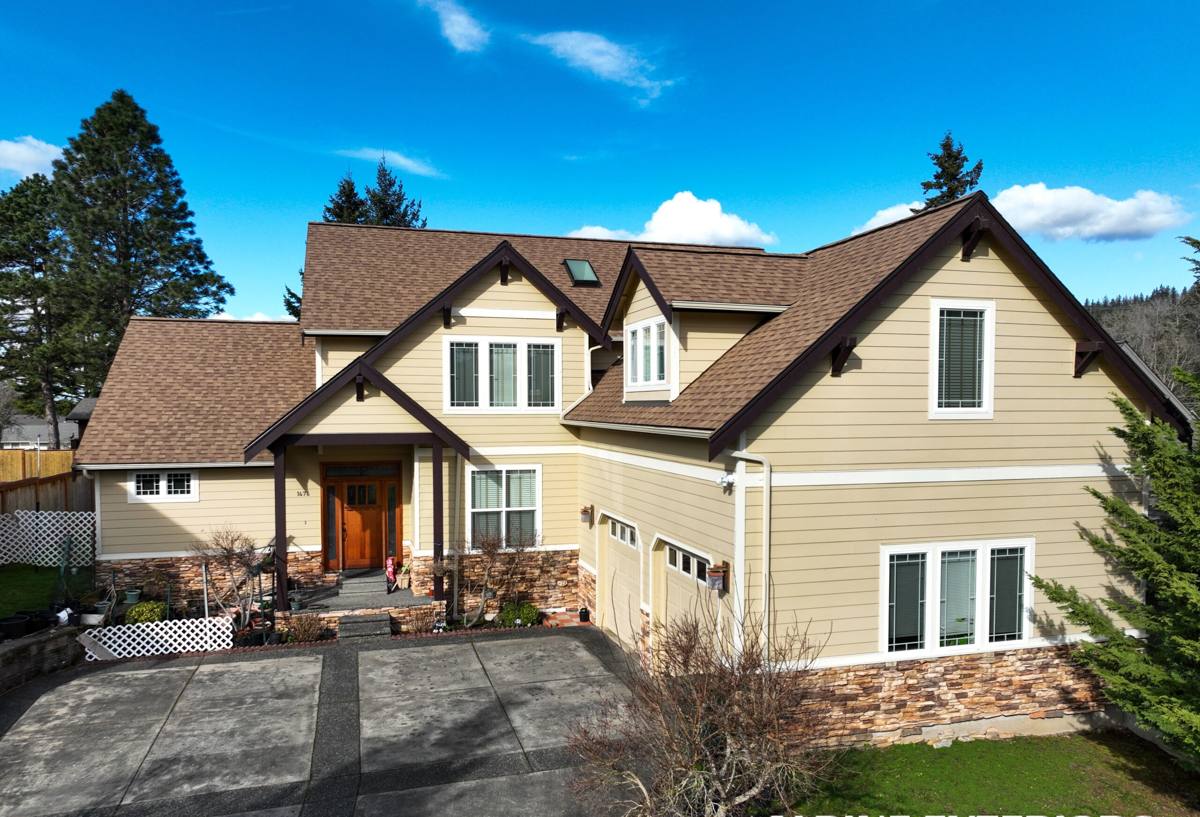
What Actually Drives Energy Loss in a Clearwater Window
Heat Gain, Not Just Heat Loss
In most of the country, window efficiency is framed around keeping heat in during winter. Here, it's the opposite problem almost year-round: keeping solar heat out. That's measured by Solar Heat Gain Coefficient (SHGC) — a lower number means less solar heat passing through the glass into your living space. For a west- or south-facing window in Downtown Clearwater catching direct Gulf-side sun for hours a day, SHGC is often the single biggest factor in whether a room stays comfortable or turns into a greenhouse by mid-afternoon.
U-Factor and Air Infiltration
U-factor measures how well the whole assembly — glass and frame together — resists heat transfer. Just as important, though rarely discussed, is air infiltration: how much outside air leaks in around a closed sash. An older aluminum single-hung with worn weatherstripping can leak more conditioned air than a well-sealed window loses through the glass itself. That leakage is also how humid Gulf Coast air gets pulled into wall cavities, which is where moisture problems start.
UV Exposure
Florida gets more direct sun hours than almost anywhere else in the country, and Downtown Clearwater's open exposure near the water doesn't help. UV breaks down vinyl, fades interior furnishings and flooring, and degrades seals over time. A quality Low-E coating blocks a meaningful share of UV transmission while still letting visible light through — you get a bright room without the sun bleaching your floors.
Signs Your Current Windows Are Costing You Money
Most homeowners don't replace windows because they woke up thinking about SHGC ratings — they replace them because something's gone wrong. Here's what we look for during an assessment:
- Condensation or fogging between the panes (a failed seal on double-pane glass — this cannot be repaired, only replaced)
- Windows that feel warm to the touch on the interior side during summer afternoons
- Visible daylight or a draft around the frame when the window is fully closed and locked
- Aluminum frames with white, chalky corrosion (a common sign of long-term salt air exposure)
- Difficulty opening, closing, or locking — often warped frames or worn hardware
- Noticeably higher AC runtime on the side of the house that gets the most afternoon sun
- Fading fabric, flooring, or artwork near a window that gets direct sun for several hours a day
Any one of these on its own might not justify full replacement. Two or three together, especially on a home that's had its original windows for 20+ years, usually means the assembly has reached the end of its useful life.
What a Correct Installation Actually Involves
Replacing a window is not just pulling one unit out and setting a new one in the same hole. In a coastal wind zone, the installation details matter as much as the product itself.
Assessment and Measurement
We check the rough opening for square, look for any existing water intrusion or wood rot around the frame, and confirm what wind load and impact requirements apply to your specific property under current Pinellas County and Clearwater building code. Downtown lots and older construction sometimes have openings that are slightly out of square after decades of settling, which affects how the new unit needs to be shimmed and sealed.
Removal and Prep
Old windows come out carefully to avoid damaging stucco, siding, or the surrounding structure. Any rot, corrosion, or water damage found in the opening gets addressed before the new window goes in — installing a new window over a compromised opening just hides a problem that will resurface.
Installation and Sealing
The new unit gets set plumb and level, properly shimmed, fastened per manufacturer and code spec, and sealed with the correct flashing and sealant system — not just a bead of caulk around the trim. This is the step that determines whether the window actually resists wind-driven rain during a storm, which is one of the most common ways water gets into a Florida home that "should" be sealed.
Inspection and Permitting
Window replacement in Clearwater typically requires a permit, and impact-rated or wind-load-rated products need to meet documented performance ratings for your wind zone. We handle the permitting and scheduling of required inspections as part of the job — it's not an optional add-on, it's how you know the work will hold up and won't cause problems if you sell the home later.
Glass and Frame Options Worth Considering
| Feature | What It Does | Why It Matters in Clearwater |
|---|---|---|
| Low-E coating | Reflects solar heat and UV while passing visible light | Cuts AC load and fading from year-round direct sun |
| Impact-rated glass | Laminated glass that resists penetration from wind-borne debris | Meets coastal wind zone code; often removes the need for separate shutters |
| Vinyl frames | Non-conductive, won't corrode | No salt-air corrosion risk; lower maintenance than metal |
| Fiberglass frames | Dimensionally stable, very durable | Holds up well to heat cycling and coastal exposure; higher cost |
| Aluminum frames | Strong, slim sightlines | Needs a quality finish to resist salt-air corrosion long term |
| Argon gas fill | Denser than air, slows heat transfer between panes | Improves U-factor without changing appearance |
There's no single "best" frame material for every home — it depends on your budget, the style of the house, and how much maintenance you want to take on. What we won't do is talk you into a product or configuration that doesn't fit your specific opening, orientation, or wind zone requirement just because it's cheaper up front. A window that fails a seal or lets water in during the first named storm costs far more than the difference in sticker price.
Why a Downtown Clearwater Track Record Matters
Window work here isn't generic. A crew that regularly works Downtown Clearwater already knows the local permitting process, has a working relationship with the inspectors who sign off on the job, and has seen firsthand how different frame materials and sealing methods hold up in this specific environment over years, not just on a spec sheet. That experience shows up in details a lot of out-of-area contractors miss — the right fastening schedule for a given wind zone, the flashing detail that actually keeps a wind-driven rain event out, and knowing which products hold their finish against salt air instead of chalking or pitting within a few years.
It also matters for scheduling and warranty support. A contractor with an established local presence isn't disappearing after the invoice clears — if a seal ever needs a warranty check or a storm causes damage you want assessed, you're calling someone who already has your job file and knows your house.
What This Typically Involves, Cost-Wise
Every home is different, but the main cost factors for a Downtown Clearwater window project are consistent:
| Factor | Impact on Cost |
|---|---|
| Number of openings | Largest single driver — whole-house replacement vs. a few rooms |
| Impact-rated vs. standard glass | Impact-rated costs more upfront but often eliminates shutter costs and may lower insurance premiums |
| Frame material | Vinyl is typically the most budget-friendly; fiberglass and higher-end aluminum cost more |
| Opening condition | Rot, out-of-square framing, or existing water damage adds repair time before install |
| Window size and style | Large picture windows, sliders, and custom shapes cost more than standard single- or double-hung units |
We don't quote sight-unseen over the phone for exactly this reason — an accurate number requires looking at the actual openings. What we can tell you upfront is that we'll walk you through the tradeoffs honestly, including where spending a bit more on glass or frame pays for itself in comfort and durability, and where it doesn't.
Maintenance That Keeps These Windows Performing
Even a well-installed, high-quality window needs basic upkeep in a salt-air environment. Rinsing frames and hardware periodically to clear salt residue, checking weep holes for debris so water can drain properly, and having seals inspected every few years go a long way toward getting the full expected life out of the investment. We go over specific care recommendations for whatever product you choose at the end of the job, since vinyl, fiberglass, and aluminum each have slightly different needs.
Get a Straight Answer for Your Home
If your windows in Downtown Clearwater are fogging, drafting, hard to operate, or just running your AC harder than they should, it's worth having someone look at the actual openings rather than guessing from a photo. We'll assess what you have, explain what's actually going on, and give you options that fit your home, your budget, and this climate — no pressure, no upsell script. Fill out the form below for a free estimate.