 Clearwater Window
 Board & Batten in a Neighborhood Built on Character
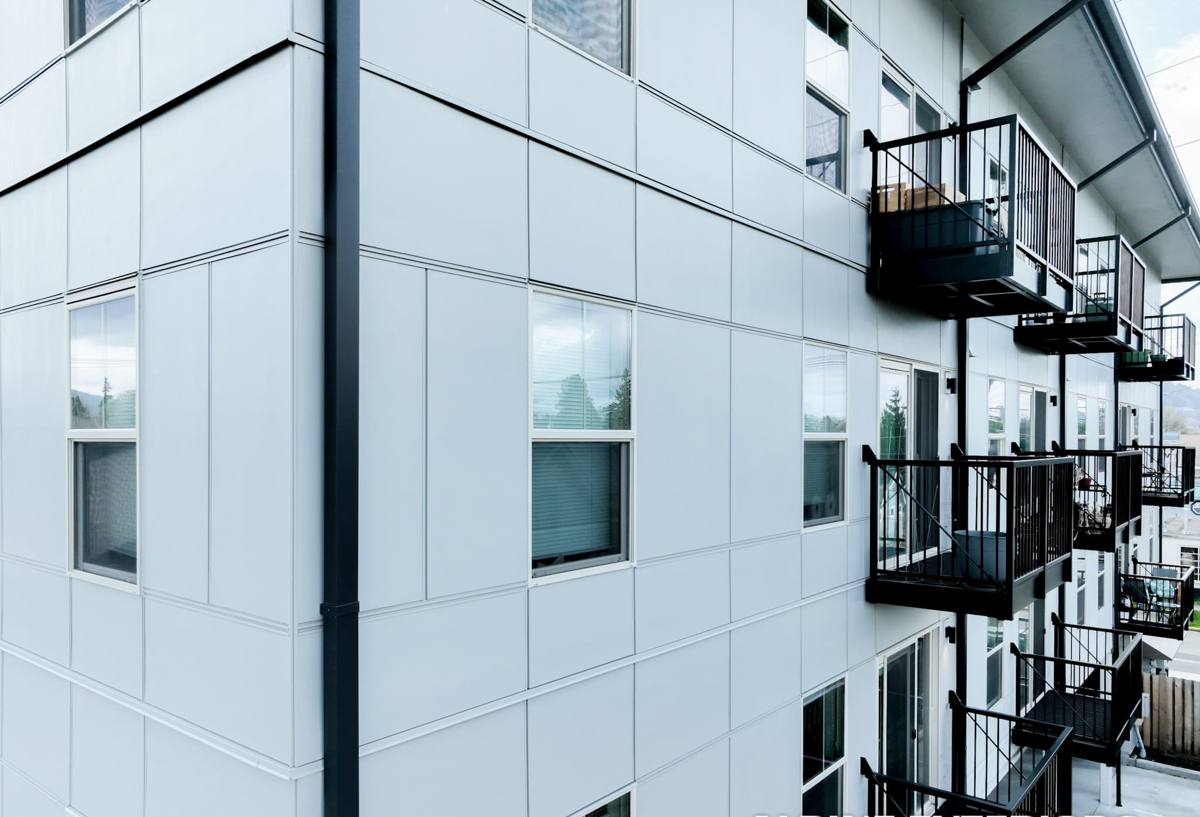
Downtown Clearwater mixes older bungalows, mid-century homes, and newer infill construction, and board and batten siding shows up across all three because it does something few siding styles can: it reads as both classic and current at the same time. The vertical panels with raised battens over the seams give a home strong shadow lines and a tailored, architectural look, whether it is used on a full facade, a gable accent, or a porch surround. For homeowners renovating a Downtown Clearwater property or building new, board and batten is often the detail that makes a house look intentional instead of generic.
But board and batten is not a style you should choose on looks alone, especially this close to Clearwater Harbor and Old Tampa Bay. The vertical seams and exposed batten strips are more exposed to weather than a standard lap profile, which means the material behind that look matters as much as the look itself.
What Downtown Clearwater's Climate Demands From This Siding
Homes in this part of Pinellas County deal with a specific combination of stress that most of the country never sees at this intensity:
- Hurricane-force wind: Downtown Clearwater sits close enough to the Gulf that wind-driven pressure and flying debris are a real design load, not a hypothetical one.
- Intense, year-round UV: Florida sun runs hard on painted and finished surfaces twelve months a year, not just in summer.
- Wind-driven rain: Storms here rarely fall straight down. Rain gets pushed sideways into vertical seams, corners, and any gap in the weather barrier.
- Salt air: Proximity to the harbor and bay means airborne salt is a constant, slow attack on fasteners, coatings, and any material that swells or corrodes when it stays damp.
Board and batten's vertical seams give wind-driven rain more opportunities to find a weak point than a horizontal lap profile does. That is not a reason to avoid the style — it is the reason the installation details matter more here than they would on a flatter, simpler elevation.
Why We Only Install James Hardie for This Application
Board and batten can be built from several materials, and we get asked about most of them. Our answer is the same one across every project: we install James Hardie fiber cement, full stop. Here is the honest reasoning behind that, specific to board and batten:
Wood and Primed Spruce Battens
Real wood board and batten looks great on day one. The problem in a climate like this is moisture cycling — the battens and panels swell, shrink, and take on humidity differently depending on grain and cut, which stresses paint film and joints. Add UV breakdown and salt air, and unpainted or under-maintained wood siding on a coastal Pinellas County home tends to need attention far sooner than most owners expect.
Vinyl Board and Batten
Vinyl profiles exist, but the material itself is a thin, flexible plastic that was never engineered to hold up to sustained hurricane-force gusts the way a rigid, heavier fiber cement panel can. Vinyl also softens and can distort in intense heat, which is a year-round condition here, not an occasional one.
LP SmartSide, Cemplank, and Allura
These are legitimate manufactured products, and we do not claim they are junk. Our decision comes down to standardizing on one system we can install, warranty, and stand behind consistently: James Hardie's engineered fiber cement, backstopped by ColorPlus factory finishes and product lines built specifically for high-humidity, high-UV climates like ours. Running one product system means our crews know its exact fastening patterns, clearances, and flashing details cold — which matters more on a seam-heavy profile like board and batten than on almost any other siding style.
What a Correctly Installed Board & Batten System Involves
Most board and batten failures we get called out to inspect are not material failures — they are installation shortcuts. The profile has more seams and fastening points than lap siding, so there is more room for error if a crew rushes it. A correct install includes:
- A continuous, properly lapped weather-resistant barrier behind the panels, with all penetrations sealed before the first panel goes up
- Correct panel-to-substrate fastening per James Hardie's published fastening schedule for our wind zone, not a generic pattern
- Batten strips fastened independently into framing, not just face-nailed through the panel into sheathing
- Proper clearance at the base of the wall, around windows and doors, and at any roof-to-wall transition, so water has somewhere to go instead of sitting against the panel
- Corner flashing and Z-flashing at horizontal transitions sized and lapped correctly for wind-driven rain, not just standard rainfall
- Factory-primed cut edges field-sealed on site, since every cut edge is a point where moisture can enter if left untreated
Skipping any one of these does not usually cause a visible problem right away. It shows up two, five, or ten years later as staining, soft spots, or paint failure at the seams — right when a homeowner assumes the siding should still be performing like new.
Our Process for Downtown Clearwater Projects
1. On-Site Assessment
We walk the exterior with you, note the current siding condition, existing moisture or rot at trim and transitions, and how the home is currently oriented to prevailing wind and rain. Board and batten placement decisions — full facade versus accent gable, batten spacing and width — get made here based on the home's actual proportions, not a one-size template.
2. Substrate and Barrier Prep
Any damaged sheathing or rot found during removal gets addressed before a single new panel goes up. A new weather barrier is installed and detailed at every penetration, corner, and transition.
3. Installation to James Hardie Spec
Panels and battens go up following James Hardie's fastening and clearance requirements for our regional wind exposure, with flashing integrated at every horizontal break, window, and door.
4. Finish and Final Inspection
ColorPlus-finished panels arrive factory-coated, so field painting is limited to cut edges and any field-applied trim. We walk the finished job with you before calling it complete.
James Hardie Product Options for This Look
Board and batten can be achieved a couple of ways within the James Hardie system, and which one fits depends on the home:
| Option | Best For | Notes |
|---|---|---|
| HardiePanel vertical siding with applied battens | Full-facade board and batten, new construction or full re-sides | Most common approach; battens create the classic shadow-line look |
| Artisan or HardieTrim accent battens over HardiePanel | Gable accents, porch surrounds, mixed-material elevations | Lets board and batten pair with lap siding elsewhere on the home |
| ColorPlus factory finish | Any board and batten application | Baked-on finish resists Florida UV and salt air better than field paint alone |
Cost Factors Homeowners Should Know
We do not publish fixed pricing because every home is different, but these are the variables that actually move the number on a Downtown Clearwater board and batten project:
| Factor | Why It Matters |
|---|---|
| Full facade vs. accent application | Square footage and batten count scale the labor and material directly |
| Substrate condition | Rot or moisture damage found during removal adds repair scope before new siding goes on |
| Existing siding removal | Tear-off of old wood or vinyl adds labor versus a bare-sheathing install |
| Trim and flashing detail | Homes with more windows, corners, and roof transitions need more flashing work |
| Color selection | Standard ColorPlus colors versus premium or custom options affect panel cost |
Why the Crew You Hire Matters as Much as the Material
James Hardie siding is only as good as its installation, and board and batten has less margin for error than most profiles because of its seam count. A crew that regularly works Downtown Clearwater and the surrounding Pinellas County coastline already understands the local wind exposure requirements, has a feel for how salt air affects fastener choice and flashing details, and has likely already worked with the permitting expectations for this area. That familiarity shows up in fewer surprises during the project and a siding system that actually performs the way it is engineered to over the long run — not just on the day it goes up.
Simple Maintenance Once It's Installed
Correctly installed James Hardie board and batten is low-maintenance, not no-maintenance. A short seasonal routine keeps it performing:
- Rinse salt residue and grime off the surface a few times a year, especially after storms
- Inspect caulking at trim, window, and door junctions annually and re-seal if it has cracked or pulled away
- Keep sprinklers and irrigation from spraying directly on the siding, which accelerates mineral buildup
- Trim landscaping back from the wall so battens and panels can dry out fully after rain
- Have any impact damage from debris inspected promptly rather than waiting for the next storm season
If you own a home in Downtown Clearwater and are weighing board and batten siding, we're glad to walk the exterior with you, look at what your home actually needs, and give you a straight answer — no pressure, no hard sell. Request a free estimate below and we'll get you scheduled.