 Clearwater Window
 Del Oro's Exposure: What Clearwater's Climate Actually Does to Siding
Del Oro sits inside one of the more demanding climates in the country for exterior building materials, even by Florida standards. Homes here deal with a combination of stresses that most of the country never has to think about: sustained high humidity for most of the year, intense UV exposure that doesn't let up in winter the way it does further north, wind-driven rain that gets forced sideways into wall assemblies during storms, and salt-laden air that drifts in off the Gulf and Tampa Bay and settles on every exterior surface, siding included. Any one of those factors will slowly degrade the wrong material. Together, they compound.
This matters for a siding replacement decision because the product and the installation both have to be matched to that reality, not to a generic national spec sheet. A siding system that performs fine in a dry, mild climate can fail years early in Pinellas County. That's the lens we bring to every Del Oro job: what does this specific product do after five, ten, twenty years of Clearwater sun, humidity, and storm season, not just what does it look like on day one.
What Del Oro's Housing Stock Is Up Against
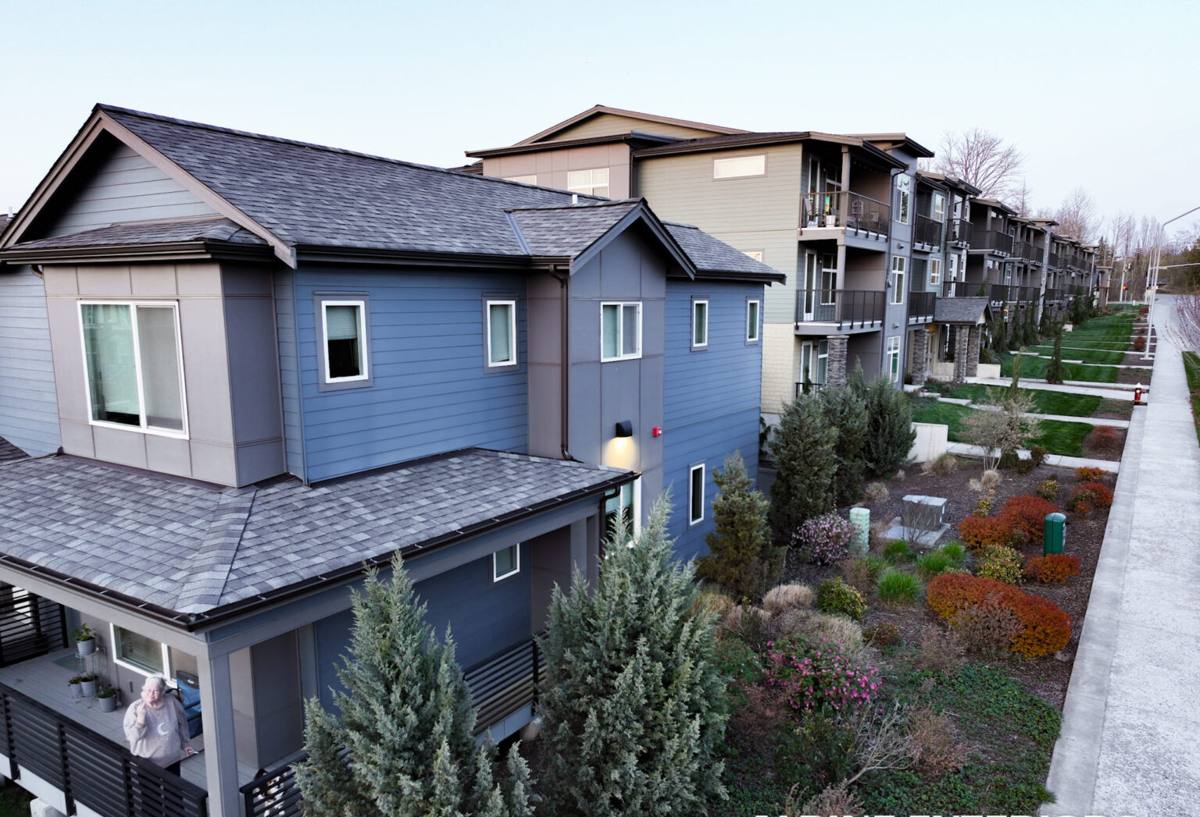
Like much of Clearwater, homes in this part of the county span a range of ages and original construction methods. Some were built with siding materials that were reasonable choices decades ago but have since been outpaced by better-engineered products. Others have already been through one or more siding replacements, sometimes with materials that weren't well suited to Gulf Coast conditions in the first place. What we consistently see, regardless of the home's age, is that Florida's climate accelerates every weakness in a siding system: seams open up faster, paint film fails sooner, and any moisture that gets behind the cladding has more opportunities to do damage because of the humidity and heat that follow it in.
We don't guess at what's happening on a specific Del Oro home from the street. Every estimate includes a real look at the current siding's condition, the substrate underneath it, and the trim, flashing, and penetrations around windows and doors, because that's usually where problems actually start.
Signs Your Siding Is Already Telling You Something
Siding failure in this climate is rarely sudden. It shows up gradually, and homeowners often chalk up the early signs to normal wear rather than a system that's breaking down. Worth checking for:
- Soft, spongy, or bubbling spots when you press on the siding, especially near the bottom courses or below windows
- Paint that's peeling, chalking heavily, or needing repainting far more often than it used to
- Visible cupping, warping, or buckling of individual panels or boards
- Gaps opening up at seams, corners, or where siding meets trim
- Staining or streaking that keeps coming back shortly after cleaning
- A musty smell near exterior walls, or interior drywall issues on walls that share space with damaged siding
- Visible fastener corrosion or rust streaks running down from nail heads
Any of these on their own might just mean a repair. Several at once, especially combined with the home's age, usually means the siding system as a whole is past the point where patching makes sense.
Why We Only Install James Hardie Fiber Cement
We made a decision as a company to install one siding system: James Hardie fiber cement. We don't offer vinyl, LP SmartSide, Cemplank, Allura, or primed wood siding, and that's a deliberate standard, not a lack of options. Each of those alternatives has real strengths, but each also has a trade-off that we don't think holds up well against a Clearwater climate over the long run, whether it's moisture sensitivity at cut edges, softening or warping in sustained heat, or a maintenance burden that grows every year the house sits this close to salt air and storm exposure.
Non-combustible core
Fiber cement is manufactured from cellulose fiber, sand, and cement, and it doesn't burn. That's a meaningful difference from wood-based and polymer sidings, particularly for homes where wildfire isn't the main concern but general fire safety and insurance considerations still are.
ColorPlus factory finish
Hardie's ColorPlus finish is baked on in a controlled factory environment rather than sprayed or brushed on site, which gives it better adhesion and more consistent UV resistance than field-applied paint. In a market with Clearwater's sun exposure, that translates directly into fewer repaint cycles over the life of the siding.
Climate-engineered HZ product lines
James Hardie builds region-specific formulations, and the HZ5 line is engineered for high-humidity, high-moisture climates like ours. That's a real engineering distinction, not a marketing label — it affects how the product handles moisture cycling over years of Gulf Coast humidity.
A warranty that's actually transferable
Hardie backs its products with a strong limited warranty that's transferable to a subsequent owner, which matters both for peace of mind and for resale, since buyers in this market are increasingly asking what the siding is and how it's warrantied.
What a Correct Siding Replacement Actually Involves
The siding board or panel itself is only part of the system. Most siding failures we see in Pinellas County trace back to something behind the siding, not the siding material itself. A correct installation gets the details right in places you won't see once the job is finished.
Moisture management and flashing
Every water-resistive barrier, every piece of window and door flashing, and every penetration through the wall plane has to be sequenced correctly so that any water that does get past the siding drains back out rather than getting trapped. In a climate with as much wind-driven rain as ours, this is the single most important part of the job.
Fastening and clearances
James Hardie specifies fastener type, spacing, and placement precisely, along with minimum clearances from grade, roof lines, and other surfaces. Skipping or guessing at these specs is exactly how a well-made product ends up performing poorly.
Trim, caulking, and edge treatment
Cut edges and joints need to be properly sealed and caulked with compatible products, and trim details need to shed water rather than trap it. It's tedious work and it's also the difference between siding that looks good for two years and siding that looks good for twenty.
Comparing Siding Options for a Del Oro Home
| Material | How it handles Gulf Coast humidity and salt air | Maintenance over time | Wind/impact performance |
|---|---|---|---|
| James Hardie fiber cement | Engineered HZ5 formulation for high-moisture climates | Low; factory finish resists fading and chalking | Strong when installed to spec; non-combustible |
| Vinyl siding | Can warp or become brittle under sustained heat and UV | Low upfront, but prone to fading and cracking over time | Can deform or blow off in high wind if not properly rated and installed |
| LP SmartSide (engineered wood) | Wood-based core is sensitive to sustained moisture exposure | Moderate; edge sealing and paint upkeep matter a lot here | Reasonable, but moisture intrusion at cut edges is the main risk |
| Primed spruce or cedar | Natural wood is the most vulnerable to humidity and salt cycling | High; regular repainting and sealing required | Weakens over time if moisture management isn't excellent |
This isn't a knock on the other materials in the abstract. It's why, specifically for the climate Del Oro sits in, we've standardized on one system rather than offering several and letting the trade-offs get discovered after the fact.
Cost Factors for Siding Replacement in Del Oro
Every home is different, so we don't quote broad numbers without seeing the property, but the same handful of factors drive cost on most jobs in this area:
| Factor | Why it moves the price |
|---|---|
| Home size and wall complexity | More square footage, more corners, dormers, and roof lines all add labor time |
| Condition of the substrate underneath | Rotted or damaged sheathing found during tear-off has to be replaced before new siding goes on |
| Siding profile chosen | Lap siding, panel siding, and shingle-style Hardie products vary in material and labor cost |
| Trim and detail work | Window and door surrounds, corner boards, and fascia detail add time but also protect the assembly |
| Access and site conditions | Landscaping, fencing, and tight side yards can slow staging and cleanup |
We walk through these factors on site during the estimate so you know what's driving the number, not just what the final total is.
Our Process, Start to Finish
- On-site inspection of the current siding, trim, and any visible substrate damage
- A written estimate that spells out the Hardie product line, profile, and color, along with the scope of trim and flashing work
- Removal of the existing siding and inspection of the sheathing and framing underneath before anything new goes up
- Repair of any damaged substrate found during tear-off, documented before it's covered back up
- Installation of the water-resistive barrier, flashing, and Hardie siding to manufacturer spec
- Trim, caulking, and paint touch-up to finish the assembly
- A final walkthrough so you can see the completed work and ask questions before we consider the job done
Why Local Experience in Del Oro Matters
Siding installation isn't identical from region to region, and a crew that mostly works in a dry inland climate is going to make different assumptions than one that works this part of Pinellas County every week. Knowing how wind-driven rain actually moves during a Clearwater storm, how much sun exposure a west-facing wall in Del Oro gets across a Florida summer, and how salt air behaves this close to the coast isn't something you get from a manufacturer's install manual alone. It comes from doing the work here, repeatedly, and seeing how earlier jobs hold up years later.
That local track record also shapes decisions that aren't obvious from a spec sheet, like how much clearance to leave at grade given local drainage patterns, or which trim details are worth the extra time given how hard this climate is on caulked joints. It's the difference between a crew that installs siding and a crew that installs siding that's built to last in this specific place.
If your Del Oro home's siding is showing its age, or you're planning ahead rather than reacting to a failure, we're glad to come take a look. The estimate is free, there's no pressure to move forward, and you'll walk away with a clear, honest picture of what your home actually needs.