 Clearwater Window
 Siding Repair in Del Oro: What Clearwater's Climate Demands
Del Oro homes take a beating that most of the country never sees. Between hurricane-force wind events, near-constant UV exposure, wind-driven rain that finds every gap in a wall system, and salt air drifting in off the Gulf, exterior siding in this part of Pinellas County ages faster and fails differently than siding installed inland. A repair that would hold up fine in a drier, calmer climate can come apart here within a season if it's not done to account for those forces.
That's the lens we bring to every Del Oro siding repair call: this isn't generic patchwork. It's repair work done with a clear understanding of what Clearwater's climate is actually doing to the wall behind the siding, not just the siding itself.
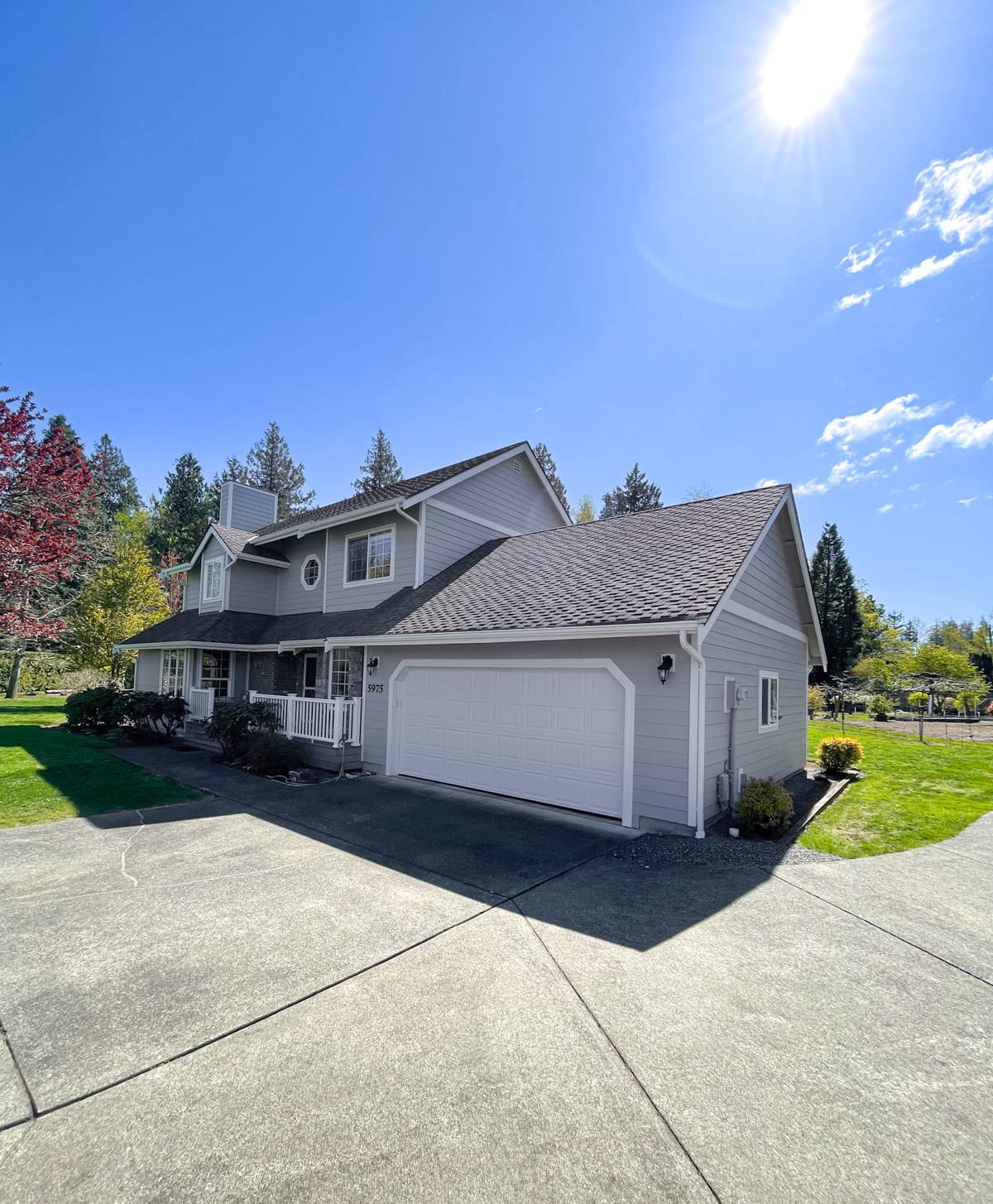
Signs Your Del Oro Home Needs Siding Repair
Siding damage in this climate rarely announces itself with a dramatic failure. It usually shows up as small, easy-to-dismiss signs that quietly get worse through another wet season. Homeowners who catch these early save real money, because a contained repair is a fraction of the cost of a wall assembly that has to be opened up and rebuilt.
- Cracked, split, or buckled siding panels, especially on the side of the house that takes the most wind and rain
- Soft or spongy spots when you press on the siding, a sign moisture has gotten behind it
- Paint that's peeling, bubbling, or chalking unevenly rather than just fading
- Gaps opening up at seams, corners, or around windows and doors
- Visible staining, dark streaking, or a musty smell near exterior walls
- Siding that's separating from the wall or nail heads that have started to pop through
- Warping or rippling, particularly on walls that get direct afternoon sun
Any one of these on its own might be minor. Several together, or any sign paired with softness to the touch, usually means moisture is already past the surface and into the substrate.
Why Damage Concentrates in Certain Spots
We consistently see the worst wear on west- and southwest-facing walls, which take the harshest UV load through the day, and on whichever elevation catches the prevailing wind during storm season. Corners, seams, and areas around penetrations like faucet bibs, dryer vents, and light fixtures are also common failure points, since those are the places where a wall system depends most on flashing and sealant doing their job correctly.
What a Correct Siding Repair Actually Involves
A repair that just replaces the visibly damaged piece and leaves everything else alone is a temporary fix at best. Done correctly, a siding repair starts with figuring out why that section failed, not just patching what's visible.
Diagnosing the Real Problem
Before we touch a single board, we look at what's underneath the failure: is the house wrap or building paper intact, is flashing directing water away from the wall as it should, is there a caulking or sealant failure letting rain in at a seam. Repairing the visible siding without addressing an underlying moisture path just buys a homeowner a little time before the same spot fails again.
Matching Material and Finish
Once the cause is addressed, the visible repair has to actually match the rest of the house. That means matching profile, reveal, and color as closely as possible so the repaired section doesn't stand out as an obvious patch. This is one of the areas where the siding product itself matters a lot, which is the next thing worth understanding before any repair work happens.
Why We Repair With James Hardie Fiber Cement
We install and repair exclusively with James Hardie fiber cement siding. We don't work with vinyl, LP SmartSide, Cemplank, Allura, or wood products like primed spruce or cedar. That's a deliberate standard, not a brand preference, and it directly affects how well a repair holds up on a Del Oro home.
Fiber cement is non-combustible and dimensionally stable, meaning it doesn't expand, contract, or warp with heat and humidity the way wood-based or vinyl products can. James Hardie's ColorPlus factory finish is baked on and engineered for UV resistance, which matters enormously in a market with Clearwater's sun exposure, and it means a repaired section can be matched to the existing finish more reliably than with field-painted alternatives. Hardie's HZ5 product line is specifically engineered for high-humidity, storm-prone climates like this one, with moisture and impact resistance built into the product rather than added after the fact.
None of that means fiber cement is magic or immune to damage from a direct storm impact or years of neglected maintenance. It means that when we repair it, we're working with a material that's proven to hold its shape, its finish, and its warranty coverage in exactly the conditions Del Oro deals with every year.
Repair vs. Replacement: How We Decide
Not every siding problem calls for a full re-side, and we don't push replacement when a targeted repair will genuinely solve the problem. The decision comes down to a few honest factors.
| Factor | Repair Usually Makes Sense | Replacement Usually Makes Sense |
|---|---|---|
| Extent of damage | Isolated to one or two wall sections | Spread across multiple elevations |
| Moisture intrusion | Caught early, substrate still sound | Rot or water damage has reached framing |
| Age of existing siding | Well within its expected service life | Near or past the end of its useful life |
| Color/material match | Discontinued or faded but blendable | No reasonable match available |
| Underlying product | Fiber cement or another sound system | A product prone to recurring failure |
We'll tell a Del Oro homeowner directly if a repair is the right call, and we'll tell them just as directly if patching a failing wall system is only postponing a bigger project. That honesty is worth more long-term than a quick sale either way.
Our Siding Repair Process
Every repair call in Del Oro follows the same disciplined sequence, whether it's one damaged panel or storm damage across a whole wall.
- On-site assessment of the damaged area and, just as important, the areas around it that show early warning signs
- Inspection of the substrate, house wrap, and flashing behind the damaged siding
- A clear explanation of what caused the failure and what it will take to fix it correctly
- An honest repair-or-replace recommendation, with reasoning, not just a quote
- Sourcing matching James Hardie material and finish for the repair
- Correcting the underlying moisture path before any new siding goes back on
- Installing the repair to the same fastening and flashing standards as new construction
- A final walkthrough so the homeowner can see and understand the completed work
What Happens When Repairs Get Delayed
Siding damage in this climate doesn't sit still. A small crack that lets in wind-driven rain during one storm season becomes a soft, saturated wall section by the next. Salt air accelerates corrosion of any exposed fasteners, and prolonged UV exposure keeps working on already-compromised material. What starts as a same-day repair can, within a year or two of neglect, turn into a project that involves replacing sheathing or framing behind the siding, not just the siding itself.
This is especially relevant heading into and coming out of hurricane season, when wind and rain put the most stress on any existing weakness in a wall system. Addressing damage before storm season, rather than after, is almost always the cheaper and less disruptive path.
Why a Crew That Already Works Del Oro Matters
Siding repair isn't one-size-fits-all, and a contractor who regularly works in this specific part of Clearwater brings something a generalist can't: familiarity with how homes here were built, what materials were commonly used in different eras of construction, and which wall assemblies in this area tend to develop problems first. That local pattern recognition shortens the diagnostic process and reduces the chance of a repair that looks right but misses the actual cause of failure.
It also means faster, more realistic scheduling around the region's weather windows, and a crew that understands Pinellas County permitting and inspection expectations for exterior work. For a repair, that local familiarity is often the difference between a fix that lasts and one that has to be revisited.
Maintaining Your Siding After a Repair
A correctly done repair should hold up for years, but a little ongoing attention protects that investment, especially in a climate this demanding.
- Do a visual walk-around after any major storm to catch new damage early
- Keep sprinklers and irrigation from spraying directly onto siding
- Rinse off salt residue periodically if the home is close to the water
- Check caulking around windows, doors, and penetrations annually and re-seal as needed
- Trim back vegetation that traps moisture against exterior walls
If you're seeing any signs of siding damage on your Del Oro home, or you just want a second opinion on whether a repair or a bigger project makes sense, we're happy to take a look. Reach out for a free, no-pressure estimate using the form below.