 Clearwater Window
 Siding Installation for Del Oro Homes
Del Oro is one of the many established residential neighborhoods that make up the Clearwater area of Pinellas County, and like most homes in this part of Florida, the siding on these houses is doing more work than most homeowners realize. It's not just a cosmetic layer — it's the first line of defense against wind, water, and sun in one of the more punishing climates in the country for exterior building materials. When siding is installed correctly, with the right materials and the right technique, it can last for decades. When it's installed with shortcuts, or with a material that isn't suited to this climate, problems tend to show up faster than homeowners expect.
This page focuses specifically on siding installation for homes in and around Del Oro — what the local climate demands, what a correct installation actually involves, and why we've standardized on one material rather than offering the usual menu of options.
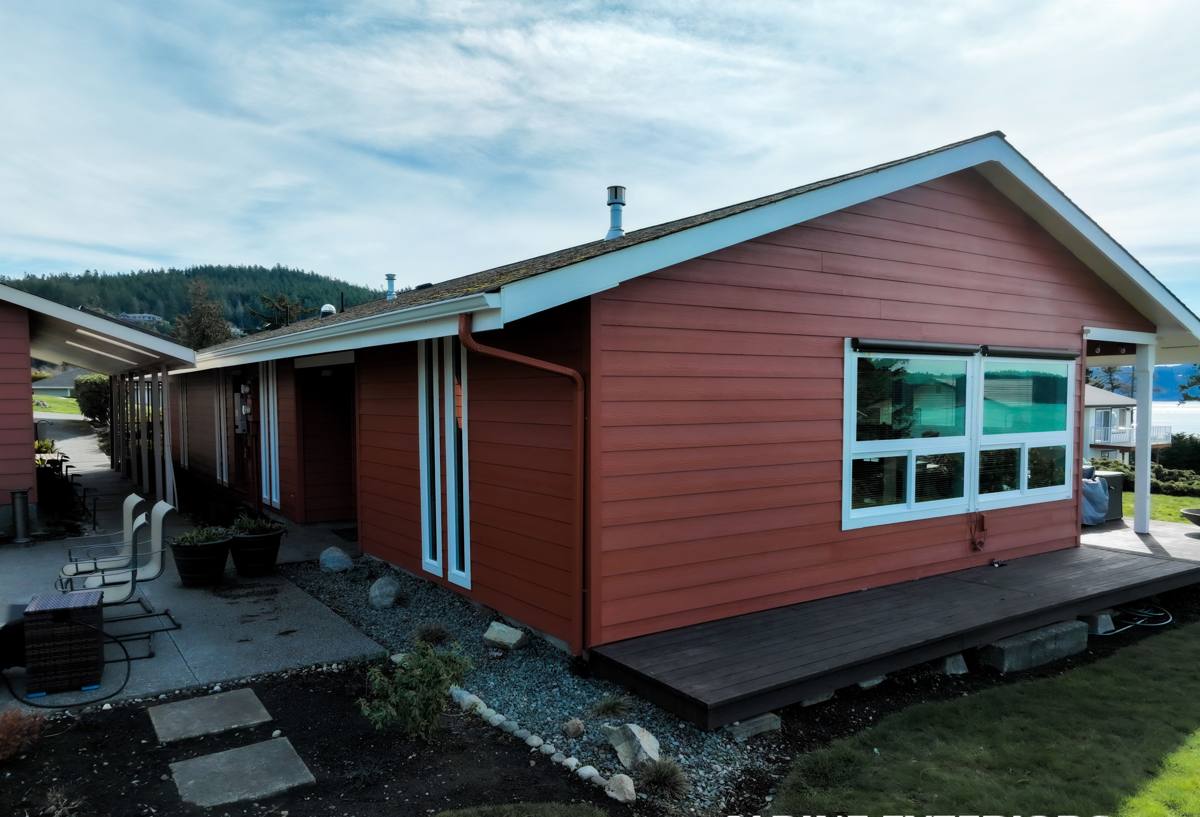
What Clearwater's Climate Does to Siding Over Time
Every siding material reacts differently to heat, moisture, wind, and salt. In Del Oro, siding is exposed to all four, often at the same time, which is why generic siding advice written for other parts of the country doesn't always hold up here.
Hurricane-Force Wind
Even homes that never take a direct hit from a named storm deal with repeated high-wind events over their lifespan — squall lines, tropical storm bands, and seasonal gusts. Siding has to stay fastened and intact under wind loads that push and pull on every panel and joint, and it has to do that year after year, not just in one storm.
Year-Round UV Exposure
Florida doesn't have an off-season for sun. Constant UV exposure breaks down pigments and surface coatings faster than in most of the country, which is why siding that looks great when it's installed can fade, chalk, or discolor unevenly within a few years if the finish isn't built for it.
Wind-Driven Rain
Rain in this region rarely falls straight down. Wind pushes it sideways and up under laps, trim, and joints, which means the water-management details behind the siding — not just the siding itself — determine whether a wall stays dry.
Salt Air
Being close to the Gulf means airborne salt is a constant, low-level presence, even well inland of the immediate coastline. Salt accelerates corrosion of fasteners and metal components and can be harder on certain finishes than inland climates ever see.
Why We Install Only James Hardie Fiber Cement Siding
We made a deliberate decision to install one siding system rather than several: James Hardie fiber cement. We don't install vinyl, LP SmartSide, Cemplank, Allura, or primed wood products like spruce or cedar. That's not a marketing position — it's a standard we hold because of what we've seen these materials do, and not do, in this exact climate.
Fiber cement is a blend of cement, sand, and cellulose fibers, which makes it non-combustible and dimensionally stable in a way that wood-based and vinyl products aren't. James Hardie's factory-applied ColorPlus finish is baked on and warrantied against fading, which matters enormously in a market with this much year-round sun. And Hardie's HZ product lines are engineered specifically for climate zones like ours — the HZ5 formulation is built with moisture behavior in humid, storm-prone regions in mind, rather than being a one-size-fits-all product adapted after the fact.
None of this means other materials are without merit — vinyl is inexpensive, wood has a traditional look some homeowners want. But when we weigh installation sensitivity, long-term moisture behavior, UV performance, and warranty structure against what Del Oro's climate actually demands, fiber cement is what we're willing to put our name behind.
What a Correct Siding Installation Actually Involves
The siding panel itself is only part of the system. Most siding failures we're called to diagnose trace back to something behind or around the panel, not the panel itself. A correct installation gets these details right every time, not just when it's convenient:
- Weather-resistive barrier: A continuous, properly lapped moisture barrier behind the siding, installed so water is directed out and down rather than trapped against the wall sheathing.
- Flashing at every penetration: Windows, doors, hose bibs, vents, and any other wall penetration need proper flashing so wind-driven rain can't work its way behind the siding at these vulnerable points.
- Correct fastening pattern: James Hardie specifies fastener type, spacing, and placement for a reason — it's what allows the siding to perform in high-wind conditions as engineered. Nail guns set to the wrong depth or fasteners placed off-spec are one of the most common causes of early siding failure.
- Proper clearances: Siding needs to be held clear of the roofline, grade, and other hard surfaces so it isn't sitting in standing water or trapped moisture.
- Expansion gaps and sealed joints: Fiber cement needs room to move with temperature and humidity changes, and joints need to be caulked or capped correctly to shed wind-driven rain.
- Corner and trim detailing: Poorly finished corners and trim are where a lot of amateur installations show their age first — both visually and functionally.
Our Siding Installation Process
Every Del Oro home is a little different, but the process we follow doesn't change:
- On-site assessment: We look at the existing siding, the wall assembly underneath where visible, and any signs of moisture damage before we ever talk product or price.
- Tear-off and substrate check: Old siding comes off and we inspect the sheathing underneath. Any rot or damage gets addressed before new siding goes up — covering a problem is worse than finding one.
- Moisture barrier installation: A new weather-resistive barrier is installed and properly lapped, with flashing integrated at every window, door, and penetration.
- Hardie panel or lap installation: Siding goes up to manufacturer specification for fastening, clearance, and joint treatment, matched to the profile and finish the homeowner has chosen.
- Trim, corners, and finish work: Trim boards, corner treatments, and caulking are completed to shed water and hold up visually over time.
- Final walkthrough and cleanup: We inspect the completed job with the homeowner and clear the site of debris and old material.
Comparing Siding Materials for a Home Like Yours
Homeowners in Del Oro often ask why we don't offer the lower-cost options other contractors carry. Here's an honest look at how the major materials compare on the factors that matter most in this climate:
| Factor | James Hardie Fiber Cement | Vinyl Siding | Wood / Engineered Wood |
|---|---|---|---|
| Wind performance | Engineered and rated for high-wind regions | Can deform or detach under sustained high wind | Depends heavily on fastening; prone to warping |
| Moisture behavior | Dimensionally stable, engineered for humid climates | Doesn't rot, but can trap moisture behind panels | Vulnerable to rot and moisture absorption |
| UV / color retention | Factory-baked ColorPlus finish, fade-resistant | Can fade and become brittle over time | Paint/stain requires ongoing reapplication |
| Fire performance | Non-combustible material | Combustible; can melt or warp near heat | Combustible |
| Typical maintenance | Periodic cleaning; no repainting needed with ColorPlus | Low maintenance but limited repair options | Regular repainting/resealing required |
| Warranty structure | Strong, transferable manufacturer warranty | Varies widely by manufacturer and grade | Often limited or manufacturer-specific |
Signs Your Del Oro Home May Need New Siding
Siding damage isn't always obvious from the driveway. Some of the most common warning signs we see on service calls in this area include:
- Soft or spongy spots when you press on the siding, which usually indicates moisture damage behind the surface
- Visible warping, buckling, or panels that no longer sit flush against the wall
- Cracked, chalky, or unevenly faded paint that doesn't respond to cleaning
- Persistent staining or streaking, especially near seams, trim, or corners
- Rising energy bills that may point to compromised insulation behind failing siding
- Visible gaps, rot, or insect activity around window and door trim
- Siding that flexes, rattles, or shows loose fasteners in windy conditions
Permits, Wind Ratings, and Working With a Local Crew
Siding installation in Pinellas County goes through local permitting, and the work has to meet Florida Building Code wind-load requirements for this region. That's true whether a job is a small repair section or a full re-side. A crew that regularly works in and around Clearwater already understands what inspectors expect, what documentation a permit requires, and how to sequence a job so it passes inspection without delays — none of which is guesswork when you've done it repeatedly in the same jurisdiction.
There's also a practical side to hiring locally: a crew based near Del Oro can respond quickly if a question comes up mid-project, can source materials without long lead times, and has a reputation in the immediate area that's worth protecting. That's a different incentive structure than a crew passing through from out of the region on a single job.
Caring for Your Siding After Installation
Correctly installed James Hardie siding is low-maintenance, not no-maintenance. A periodic rinse to remove salt residue and airborne grime, a visual check after major storms for loose trim or caulk that's pulled away, and prompt attention to any landscaping that's grown up against the siding will go a long way toward getting the full lifespan out of the installation. Because ColorPlus finishes are factory-applied and warrantied, homeowners don't need to plan on repainting the way they would with wood siding.
If you're weighing a siding replacement for a Del Oro home, or you're just not sure whether what you have now is holding up the way it should, we're happy to take a look. Reach out for a free, no-pressure estimate using the form below.