 Clearwater Window
 Roofing in Del Oro: A Different Set of Demands
Del Oro sits in one of the more weather-exposed pockets of Clearwater, and roofs here work harder than roofs almost anywhere else in the country. It isn't one thing wearing a roof down — it's four things happening at once, year after year. Hurricane-force winds test every fastener and seam. Nearly year-round UV exposure bakes shingles and breaks down asphalt oils faster than in cooler climates. Sudden wind-driven rain finds any gap in flashing or underlayment within minutes. And salt-laden air off the Gulf slowly corrodes exposed metal, from nail heads to drip edge, long before it would fail inland.
None of that means a roof in Del Oro can't last its full service life — it means the installation has to be done correctly the first time, using materials and methods matched to this specific environment. A roof that would be perfectly adequate in a drier, calmer climate can underperform badly here if it's installed to a generic standard instead of a Pinellas County standard.
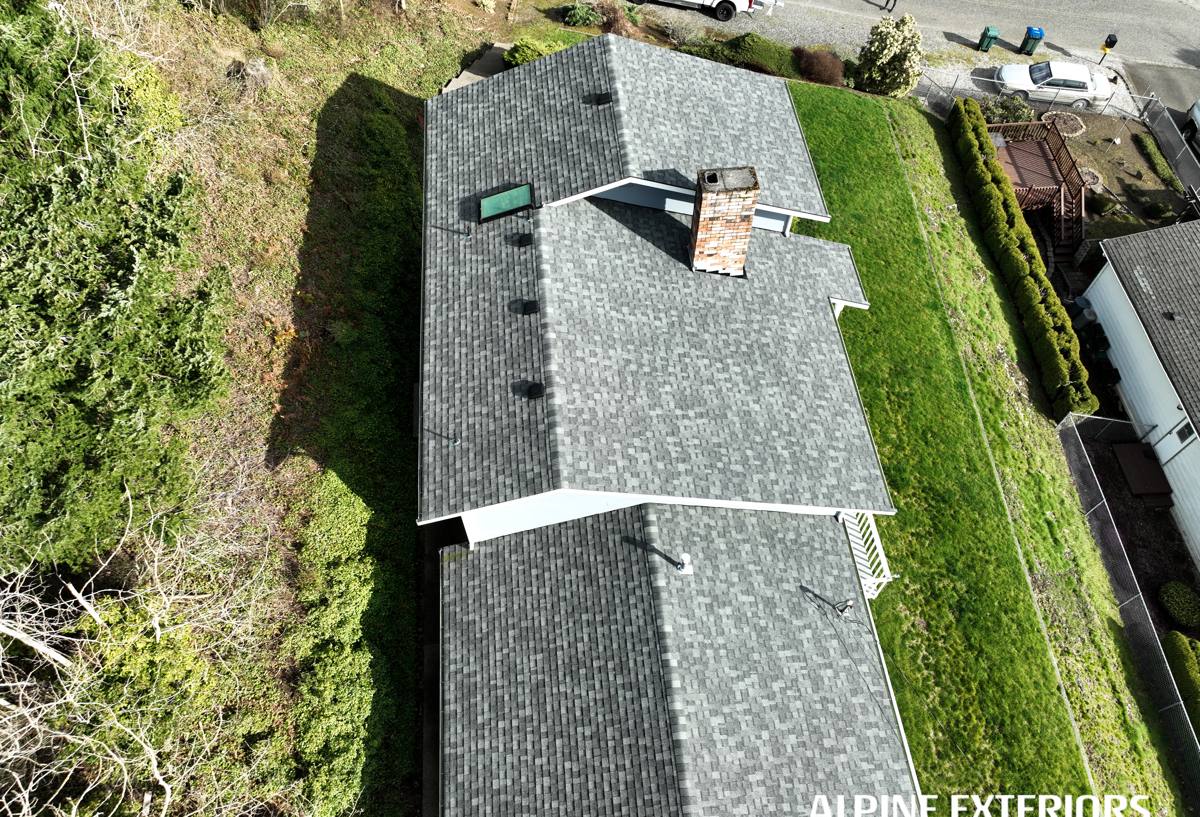
Signs a Del Oro Home Needs a New Roof, Not Another Repair
Homeowners often ask whether a problem area can just be patched. Sometimes it can. But there's a point where patch-and-repeat stops making financial sense and a full replacement becomes the honest recommendation. Common signs we look for:
- Granule loss heavy enough to expose the asphalt mat on shingles, especially on south- and west-facing slopes that take the most UV
- Curling, cracking, or brittle shingles that no longer lie flat
- Repeated leaks in different spots after storms, rather than one isolated failure point
- Soft decking, visible sagging, or daylight through the attic at roof boards
- A roof approaching or past 18-20 years old, which in this climate is often past the point where repairs are cost-effective
- Missing or lifted shingles after wind events, indicating fastener or nailing pattern issues
If a roof is showing two or more of these at once, replacement usually costs less over the next five years than continuing to chase repairs.
What a Correct New Roof Installation Actually Involves
A new roof is more than shingles or tile on top of plywood. In a coastal, hurricane-exposed area like Del Oro, several layers underneath the visible surface matter as much as the surface itself.
Deck Inspection and Repair
Once the old roofing is stripped, the decking gets inspected board by board. Any wood that's soft, delaminated, or water-damaged gets replaced — not skimmed over. A new roof installed over a compromised deck fails prematurely no matter how good the shingles are.
Underlayment
This is the roof's real waterproofing layer, and it matters more here than in most of the country because of wind-driven rain — rain that gets forced sideways and upward under shingle tabs during storms. We use underlayment systems rated for that kind of exposure, with self-adhering membrane at eaves, valleys, and penetrations where water pressure concentrates.
Fastening and Wind Rating
Nailing pattern, fastener count, and fastener type are where a lot of roofs quietly fail during hurricanes even when the shingles themselves are fine. Pinellas County's building code sets minimum wind-uplift standards for a reason — we install to those standards or better, not to the bare minimum that lets a job pass inspection.
Flashing and Penetrations
Chimneys, vents, skylights, and wall intersections are where the majority of roof leaks actually start. Correct flashing — properly lapped, sealed, and tied into the underlayment — is what keeps wind-driven rain out at these points.
Choosing the Right Roofing Material for Del Oro
There's no single "best" roofing material for every home — it depends on budget, roof pitch, HOA requirements if applicable, and how long the homeowner plans to stay in the house. Here's how the common options compare for a coastal Pinellas County property:
| Material | Typical Lifespan Here | Wind Performance | Salt-Air / UV Considerations |
|---|---|---|---|
| Architectural asphalt shingle | 15-25 years | Good, when installed with proper nailing pattern and rated for high wind | UV and heat gradually break down asphalt oils; quality and proper attic ventilation extend life |
| Concrete or clay tile | 30-50 years | Very good when tiles are correctly fastened; underlayment failure is the real long-term risk, not the tile itself | Highly resistant to salt corrosion since the material itself doesn't rust |
| Standing seam metal | 30-50 years | Excellent wind uplift resistance with proper clip spacing | Requires marine-grade or coated fasteners and panels near the coast to resist salt corrosion |
For most Del Oro homes, architectural shingles remain the practical choice on cost, but homeowners planning to stay long-term, or replacing a roof after storm damage, often ask us to price out tile or metal at the same time so they can compare real numbers rather than guess.
Our Installation Process
- On-site inspection and estimate — we assess the existing roof, attic ventilation, decking condition, and any storm damage before quoting anything
- Material selection — we walk through options and trade-offs based on your budget and how long you plan to own the home
- Permitting — we pull the required Pinellas County / City of Clearwater permits before work starts, which protects you if there's ever an insurance question later
- Tear-off and deck inspection — old roofing is removed and the deck is checked and repaired as needed
- Underlayment and flashing — installed to current wind and moisture standards, not the minimum
- Roofing installation — shingles, tile, or metal installed per manufacturer specification and local code
- Final inspection and cleanup — including a magnetic sweep for nails and full site cleanup
Permits, Code, and Insurance in Pinellas County
Every new roof installation in Clearwater requires a permit, and the work has to meet Florida Building Code wind-resistance requirements for this region. Skipping the permit step, or hiring a contractor who does, can cause real problems later — from failed home inspections at resale to denied insurance claims after storm damage, because the insurer can point to unpermitted work.
A properly documented new roof can also qualify for a wind mitigation inspection, which many Pinellas County homeowners use to lower their windstorm insurance premiums. We provide the documentation needed to support that process, though the mitigation inspection and rating itself is handled by a licensed inspector.
Questions Worth Asking Before You Sign With Any Roofer
- Are you licensed and insured to work in Pinellas County, and can you show proof?
- Will you pull the permit yourself, or is that left to the homeowner?
- What underlayment and fastening system will be used, and does it meet current wind code?
- What's the manufacturer's warranty, and does your installation qualify for the enhanced/wind-rated version of it?
- Do you have current, verifiable local references from jobs in this area?
- What's the payment schedule, and is there anything due in full before work starts?
Why It Matters to Hire a Crew That Already Works Del Oro
Roofing crews who work regularly in this specific area understand things that don't show up in a generic estimate: how the local code inspectors expect flashing details done, which HOA guidelines apply if the home is in a governed community, and how exposure to open water or tree cover on a given street affects material choice. That familiarity shows up in fewer inspection callbacks, fewer surprises mid-project, and a roof that's actually built for the conditions it will face, not just built to a national average spec.
It also matters for accountability. A contractor with an established, ongoing presence in Clearwater has a reason to stand behind the work years down the road — not just get through the job and move on to the next city.
After Installation: Keeping a New Roof Performing
A correctly installed roof still benefits from basic upkeep in this climate:
- Clear debris and leaves out of valleys and gutters, especially after storms, so water doesn't pool
- Have the roof visually inspected after any major wind event, even if there's no obvious interior sign of a leak
- Keep attic ventilation clear — good airflow reduces the heat buildup that accelerates shingle aging
- Address any small flashing or sealant issues promptly, before wind-driven rain turns them into a bigger repair
If your Del Oro home's roof is showing its age, was damaged in a recent storm, or you're simply planning ahead, we're happy to take a look and give you a straightforward, no-pressure estimate — no obligation, just an honest read on where things stand and what your options are. The form below is the easiest way to get started.