 Clearwater Window
 Why Coachman Ridge Homes Put Extra Demands on Windows
Coachman Ridge sits inland from the immediate coastline but still lives under the same Pinellas County weather that shapes every home in this part of Clearwater: long stretches of intense subtropical sun, seasonal tropical systems that bring sustained wind and wind-driven rain, and a steady dose of salt-laden air moving in off the Gulf. Older single-pane or early-generation dual-pane windows in this area tend to show their age the same way — faded interiors, hot rooms in the afternoon, foggy glass between the panes, and frames that have started to pit or chalk from years of UV and humidity exposure.
Energy-efficient replacement windows address all of that at once, but only when they're specified and installed correctly for this climate. A window rated for a dry, mild climate isn't the same product a Clearwater home needs. The right combination of glass coating, frame material, and installation detail matters more here than in most parts of the country.
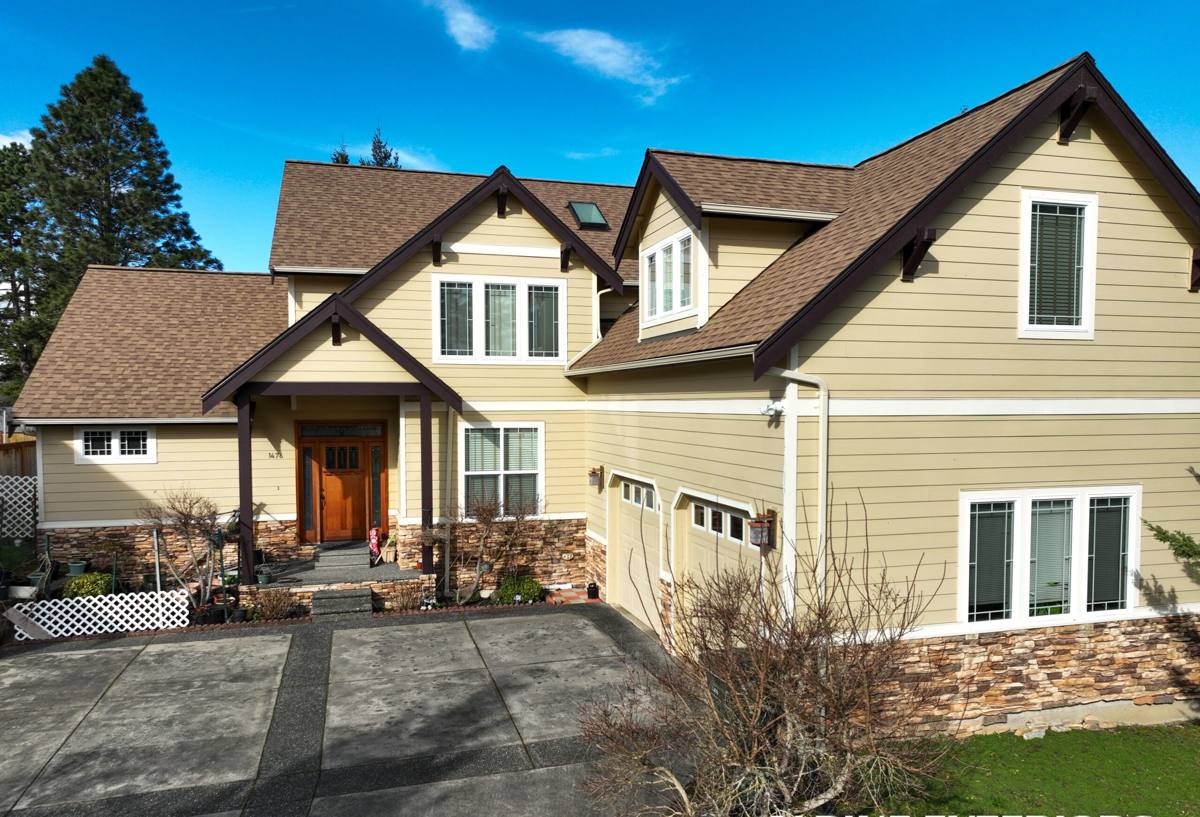
What "Energy-Efficient" Actually Means for a Florida Window
It's About Heat Rejection, Not Just Insulation
In colder climates, energy-efficient windows are mostly about keeping heat inside. In Clearwater, the job is reversed: keep solar heat and UV out while still letting in daylight. That's a different engineering problem, and it changes what "efficient" should mean on a Coachman Ridge quote.
The Numbers That Matter Locally
- SHGC (Solar Heat Gain Coefficient): the single most important number for this climate — lower means less solar heat making it into the house.
- U-Factor: still relevant for keeping conditioned air in, especially with Florida's near-constant AC use.
- Visible Transmittance: how much natural light gets through — you want daylight without the heat that often comes with it.
- Low-E coatings: a microscopically thin metallic layer that reflects infrared heat and UV while passing visible light.
A window with an ENERGY STAR rating for the Southern climate zone is looking for a different balance than one rated for the North — that's why the region a rating is calibrated for matters more than the label alone.
Impact Rating and Energy Efficiency Are Two Separate Questions
Homeowners in Coachman Ridge often ask for "hurricane windows" and "energy-efficient windows" as if they're the same purchase. They overlap, but they're answering different requirements, and a good contractor should explain both rather than bundling them into one sales pitch.
| Consideration | Impact-Rated Focus | Energy-Efficiency Focus |
|---|---|---|
| Primary job | Resist wind-borne debris and pressure during a storm | Reduce solar heat gain and AC load year-round |
| Key spec | Design pressure (DP) rating, impact test certification | SHGC, U-Factor, Low-E coating type |
| Glass construction | Laminated glass with an interlayer | Dual-pane with Low-E coating and gas fill |
| Governed by | Florida Building Code wind-borne debris provisions | ENERGY STAR / NFRC labeling |
| Can they overlap? | Yes — many impact-rated windows now also carry strong Low-E performance in one unit | |
For most Coachman Ridge homes, the practical answer is a laminated, impact-rated window with a Low-E coating tuned for solar heat rejection. It satisfies wind code requirements for this part of Pinellas County and does double duty as an energy upgrade, rather than treating storm protection and efficiency as two separate purchases.
Signs Your Current Windows Are Costing You Money
Most homeowners don't replace windows on a schedule — they replace them when something starts bothering them. Here's what we typically find when we inspect older windows in this neighborhood:
- Rooms that get noticeably hotter in the afternoon despite the AC running constantly
- Condensation or a permanent haze between panes of dual-pane glass (a sign the seal has failed)
- Frames that feel warm to the touch on the interior side during peak sun hours
- Visible fading on furniture, flooring, or curtains near south- and west-facing windows
- Aluminum frames that have pitted, chalked, or developed a rough texture from salt air exposure
- Windows that rattle or whistle during windy conditions
- A noticeable jump in cooling costs compared to similarly sized rooms elsewhere in the house
Failed Seals Aren't Cosmetic
A hazy or fogged dual-pane window has lost its inert gas fill and its insulating value along with it. At that point the window is functioning closer to a single pane, no matter how new it looks from the street.
Frame Materials: What Holds Up in This Climate
| Frame Material | Salt Air / UV Behavior | Maintenance | Typical Fit for This Area |
|---|---|---|---|
| Vinyl | Resists corrosion; UV-stable formulations hold color well | Low — no repainting, occasional cleaning | Strong all-around choice for most homes |
| Fiberglass | Very stable dimensionally in heat swings; corrosion-resistant | Low | Good where a narrower sightline or paintable surface is wanted |
| Aluminum | Can pit or chalk over time near the coast without proper coating | Moderate — may need refinishing sooner | Workable with marine-grade finishes, less forgiving long-term |
| Wood / wood-clad | Vulnerable to humidity and moisture intrusion without diligent upkeep | High | We steer most homeowners here toward clad options for durability reasons, not appearance |
We don't push wood-frame windows on homes in this part of Clearwater as a general practice — not because the product is bad, but because humidity and moisture cycling make long-term maintenance a real burden here, and the warranty coverage on wood components tends to be narrower than on vinyl or fiberglass. That's an honest trade-off, not a knock on any manufacturer.
How the Job Actually Gets Done
Assessment and Measurement
We start with an in-home look at every existing opening — not just measurements, but the condition of the surrounding framing, stucco, and flashing. Rot or moisture intrusion around an old frame needs to be addressed before a new window goes in, or the new unit inherits the old problem.
Product Selection
We walk through frame material, glass package, and impact rating together, matched to the specific exposure of each elevation of the house — a west-facing wall doing more solar work than a shaded north wall, for example.
Installation Detail
- Removal of the existing window without damaging the surrounding opening
- Inspection and repair of the framing, sill, and weather barrier underneath
- Proper flashing and sealant application — this is where a lot of window failures actually originate, not in the glass itself
- Setting the new window plumb, level, and square, with manufacturer-specified fasteners
- Interior and exterior finish work to match existing trim
- Final inspection and, where required, coordination for permit sign-off
The flashing and sealant step is where most water intrusion problems trace back to on a poorly done job. It's the least visible part of the installation and the easiest for a rushed crew to shortcut.
Permits and Code in Pinellas County
Window replacement in Clearwater generally requires a permit, and products installed need to meet Florida Building Code wind-borne debris and pressure requirements for this region. That means checking that the window's design pressure rating is appropriate for the specific wall and elevation it's going into, not just picking a product off a shelf. We handle the permit process and product documentation as part of the job rather than leaving it for the homeowner to sort out afterward.
Why Local Experience in This Neighborhood Matters
A crew that regularly works Coachman Ridge and the surrounding Clearwater neighborhoods already knows the common construction styles and window openings found in homes of this area's typical build era, what the local permitting office expects on submittals, and how salt air and storm exposure actually play out here versus inland Florida. That familiarity shortens the guesswork on measurements, product selection, and scheduling around weather — and it means fewer surprises once the job is underway.
What Drives Cost
| Factor | Why It Matters |
|---|---|
| Number and size of openings | Larger and more numerous windows scale material and labor cost directly |
| Frame material chosen | Vinyl, fiberglass, and aluminum carry different material costs |
| Impact rating requirement | Laminated impact glass costs more than standard dual-pane |
| Condition of existing framing | Rot or moisture damage found during removal adds repair scope |
| Access and elevation | Second-story or hard-to-reach openings add labor time |
Costs vary enough by these factors that we avoid quoting a number over the phone — an accurate estimate needs eyes on the actual openings.
If your Coachman Ridge home has windows that are past their prime — hot rooms, fogged glass, rattling frames, or just a feeling that the AC is working overtime — we're happy to come take a look. The estimate is free, there's no pressure, and you'll walk away with a clear picture of your options and real numbers for your specific home. Use the form below to get started.