 Clearwater Window
 Roof Repair Built for Life on Clearwater Beach
Clearwater Beach sits in a different weather world than a home ten miles inland. The barrier island takes the first hit from every storm that rolls off the Gulf, and the salt air that makes the sunsets so nice is slowly working on every exposed roofing material, day and night, whether or not a hurricane ever makes landfall. Roofs here age differently than roofs in the rest of Pinellas County, and repairing one correctly means understanding that difference, not just patching what's visible and moving on.
We work on roofs in this specific area regularly, and the patterns repeat: fastener corrosion happens faster near the water, UV breakdown on shingles and flashing sealants is more aggressive with the added heat reflection off sand and open water, and wind-driven rain finds its way through gaps that would never leak on a more sheltered inland roof. A repair that doesn't account for those conditions tends to fail again within a season or two.
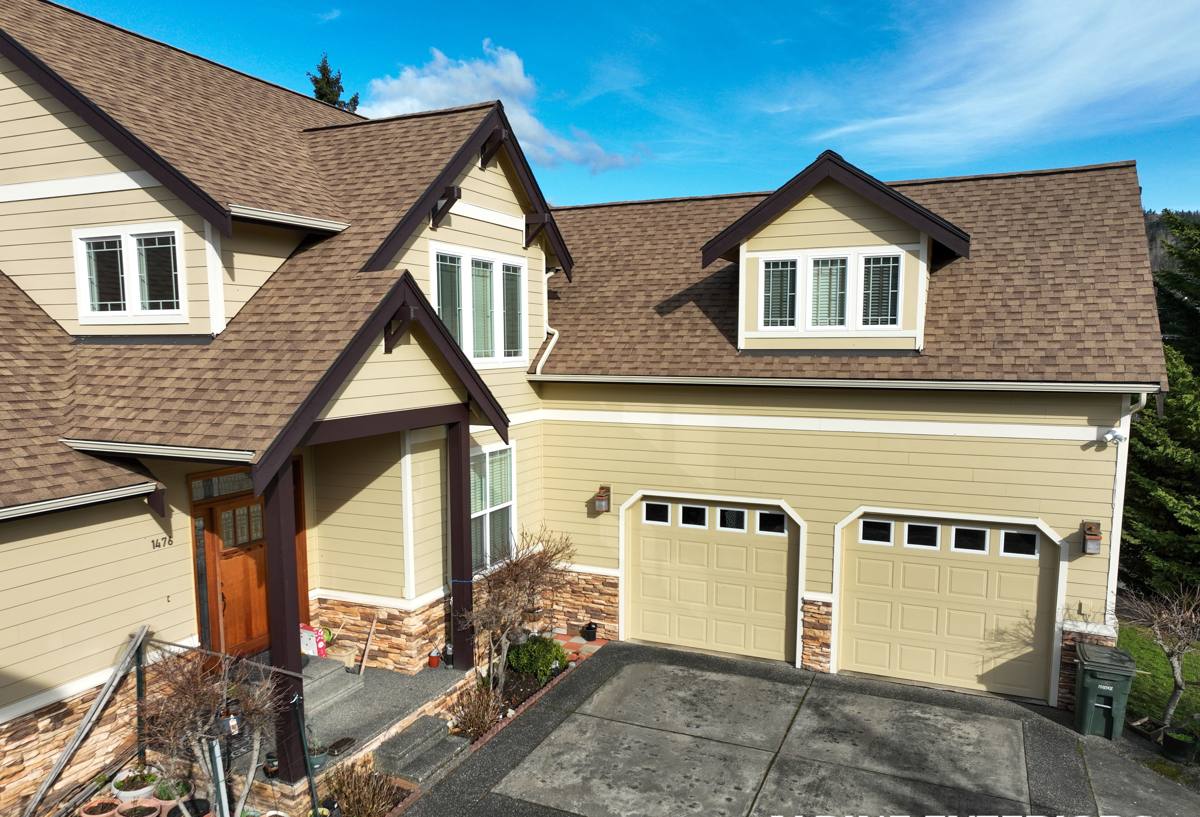
What Makes Clearwater Beach Roofs Different
Salt Air and Corrosion
Airborne salt accelerates corrosion on exposed metal — nail heads, flashing, drip edge, screws holding down vents and equipment. On an inland roof, a galvanized fastener might last the life of the roof. On the beach, that same fastener can start rusting and losing its grip years earlier. When we repair a roof out here, we're checking fastener condition well beyond the immediate area of the leak, because corrosion rarely stays isolated.
UV Exposure
Florida sun is hard on roofing everywhere, but the open exposure along the beach — less tree cover, more reflected light off water and pavement — means shingles, sealants, and roof cement dry out and crack sooner. A sealant repair that would hold up for years inland might need revisiting sooner here, which is why we're honest about expected lifespan on any patch or seal repair rather than promising it's permanent.
Wind-Driven Rain
Straight-down rain and wind-driven rain are two different problems. A roof can shed a normal rainstorm fine and still leak badly when wind pushes water sideways and up under shingle edges, around vent boots, or into flashing laps that face the wrong direction. This is one of the most common reasons a "small" leak on a beach-area home turns out to be a flashing or underlayment issue rather than a simple shingle problem.
Common Roof Repair Issues We See on Clearwater Beach
- Lifted or cracked shingles from repeated wind exposure and UV brittleness
- Corroded or backed-out nails and fasteners around vents, flashing, and ridge caps
- Failed pipe boot seals — rubber gaskets degrade faster in constant sun and salt air
- Flashing separation at chimneys, walls, and roof-to-wall transitions after wind events
- Water staining or soft spots on interior ceilings tracing back to small, long-term leaks
- Granule loss on shingles from UV breakdown, leaving them thinner and more leak-prone
- Sealant and roof cement cracking at penetrations that were patched with short-term fixes
What a Correct Repair Actually Involves
A roof repair done right starts with finding the actual source of the problem, not just the spot where water is showing up inside the house. Water can travel along rafters, decking, or underlayment before it ever shows a stain on a ceiling, so the visible damage and the actual entry point are often several feet apart. We start every repair with a full inspection of the affected area and the surrounding roof plane, not just the one spot that's been reported.
Diagnosis Before Repair
This means checking flashing, fasteners, underlayment condition, and the shingles or roofing material themselves — not assuming the nearest visible crack is the culprit. On a beach-area roof, we're also looking specifically at corrosion on metal components and UV wear on sealants, since those are the failure points we see most often out here.
Matching Materials and Method to the Problem
Once we know the actual cause, the repair itself needs to use materials and techniques suited to coastal exposure — corrosion-resistant fasteners, sealants rated for sustained UV and heat, and flashing work that accounts for wind-driven rain rather than just gravity-fed drainage. A patch that would be adequate inland can be under-built for a roof that takes this much sun and salt.
Checking the Whole System, Not Just the Leak
We also look at whether the repair area is a symptom of a broader issue — an aging roof nearing the end of its service life, storm damage that wasn't fully addressed after a prior event, or ventilation problems that are cooking the underside of the roof deck. A homeowner deserves to know if they're paying for a patch on a roof that has bigger problems coming, and we'll tell you that plainly rather than just doing the repair and moving on.
Repair vs. Replacement: How We Help You Decide
Not every roof problem on Clearwater Beach needs a full replacement, and not every leak should be treated as "just a small patch." The right call depends on the roof's age, how widespread the wear is, and whether the damage is isolated or a sign of systemic breakdown.
| Factor | Repair Usually Makes Sense | Replacement Worth Considering |
|---|---|---|
| Roof age | Under 12-15 years, otherwise sound | Nearing or past expected service life |
| Damage extent | Isolated to one area or penetration | Spread across multiple sections |
| Fastener/flashing condition | Localized corrosion or wear | Widespread corrosion throughout |
| Prior repair history | First or second repair in this area | Repeated patches in the same spots |
| Underlying decking | Solid, no rot or soft spots | Soft, stained, or spongy decking found |
We'll walk you through where your roof falls on that spectrum honestly. If a repair is the right call, we'll do the repair. If we find evidence that replacement is the smarter long-term investment, we'll explain exactly why, in plain terms, so you can make the decision with real information rather than a sales pitch.
Our Process for a Clearwater Beach Roof Repair
1. Inspection and Assessment
We inspect the reported problem area plus the surrounding roof, checking for related wear, corrosion, or damage that could point to the same underlying cause or a separate developing issue.
2. Clear Explanation and Options
Before any work starts, we explain what we found, what's causing it, and what the repair will involve — including honest talk about expected lifespan of the fix, given how hard this location is on roofing materials.
3. The Repair Itself
We use materials suited to coastal, high-UV, salt-air conditions — not just whatever's fastest or cheapest — and we address the actual cause of the leak or damage, not only the visible symptom.
4. Follow-Through
We stand behind the work we do. If something about the repair doesn't hold up the way it should, we want to hear about it and make it right.
Storm Season Considerations
Clearwater Beach homeowners live with hurricane season as a fact of life, not a hypothetical. A roof repair here should be thought of partly as storm preparation — a small, neglected leak or a section of lifted shingles is exactly the kind of weak point that turns into major interior damage once hurricane-force wind and driving rain get involved. Addressing minor roof issues before storm season, rather than after a storm has already exploited them, is one of the more practical things a homeowner on the beach can do to protect the rest of the house.
After a storm, even if there's no obvious interior leak, it's worth having a roof checked for lifted shingles, damaged flashing, or fastener issues that wind may have loosened without causing an immediate visible leak. Those small issues tend to become bigger ones by the next storm if left alone.
Before You Call a Roofer: A Quick Checklist
- Note where inside the house you're seeing water stains, drips, or damp spots
- Check if the issue only appears during or after wind-driven rain versus any rainfall
- Look for visible shingle damage, lifted edges, or missing pieces from the ground — don't climb up yourself
- Note whether the roof has been repaired in this same area before
- Have a rough idea of the roof's age or install date if known
- Mention any recent storm activity that preceded the issue starting
That information helps us diagnose faster and more accurately once we're on-site, and it gives you a head start on understanding your own roof's history and condition.
Why Local Experience on Clearwater Beach Matters
A roofing crew that mainly works inland Pinellas County jobs isn't necessarily prepared for what beachfront exposure does to a roof over time. The corrosion patterns, the UV wear rate, and the way wind-driven rain behaves on this stretch of coastline are different enough that experience here matters. We've seen how these roofs age in this specific environment, and that shapes how we diagnose problems, what materials we choose, and how we explain the tradeoffs to homeowners who want their roof to actually hold up to the next storm season, not just look fixed for a few months.
If you're dealing with a leak, storm damage, or a roof that just needs an honest once-over, we're happy to take a look and give you a straightforward assessment. Fill out the form below for a free, no-pressure estimate on your Clearwater Beach roof repair.